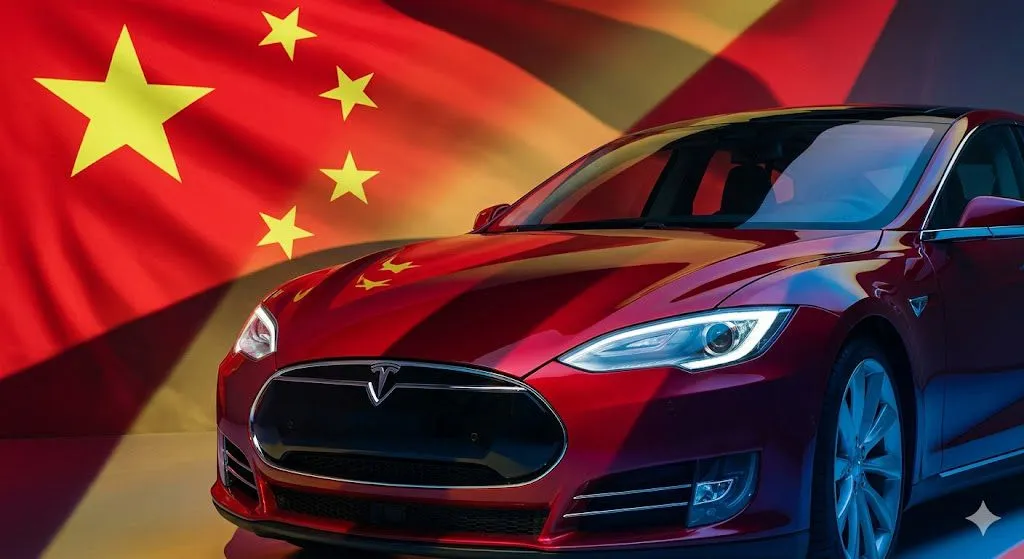
Tesla deployed its Full Self-Driving (FSD) feature in China, intensifying the high-stakes competition in China's autonomous driving sector.
Autonomous Driving Race Heats Up
The launch of FSD in mainland China signals a significant escalation in the race for Level 3 and higher autonomy among Chinese electric vehicle manufacturers. Competitors like Xpeng are simultaneously advancing their driverless cab deployments, pushing the technological boundaries faster than anticipated.
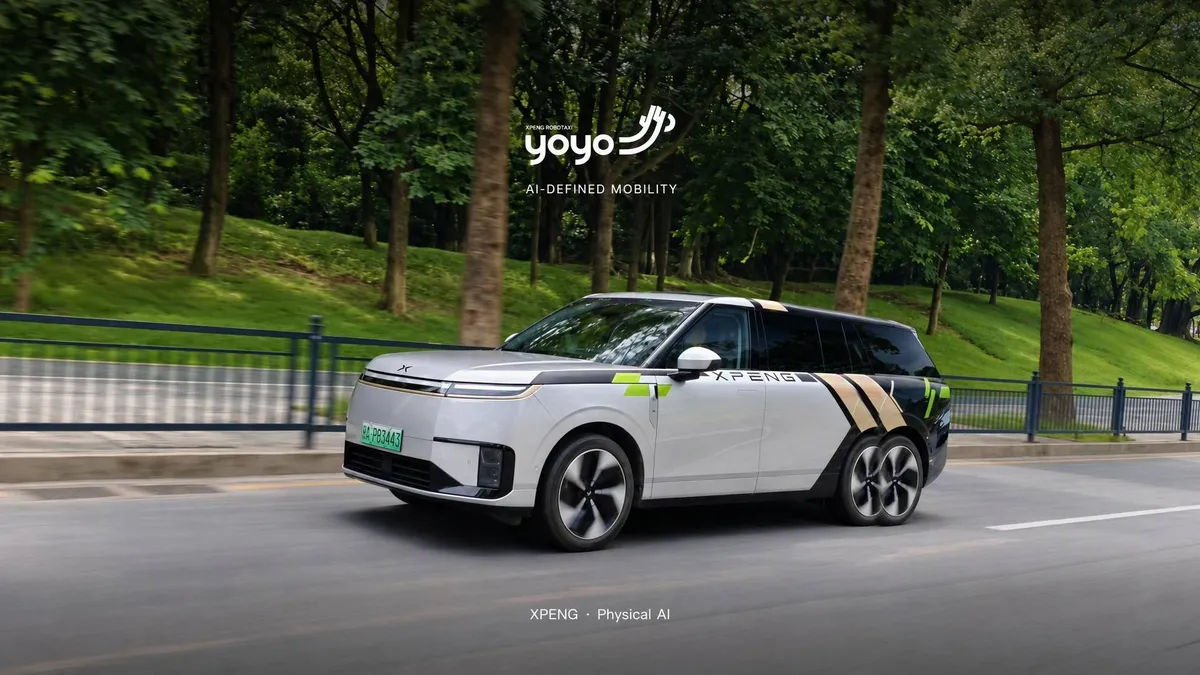
Xpeng has been actively testing its autonomous driving capabilities within commercial applications, particularly focusing on robotaxi services. These trials provide real-world data crucial for validating system reliability and achieving regulatory approval in dense urban environments.
Tesla’s move into the Chinese market with FSD is not merely a software update; it represents an aggressive strategic positioning against domestic rivals who possess deep local knowledge of China's complex traffic patterns. The integration of advanced AI models specific to Chinese road conditions offers a distinct competitive edge.
Industry analysts suggest that these simultaneous advancements in both hardware deployment (Xpeng cabs) and software capability (Tesla FSD) are accelerating the timeline for widespread commercial autonomy, forcing incumbent players to rapidly scale their R&D investments.
Pricing Wars and Market Pressures
Amidst the technological arms race, intense price competition continues to define the profitability landscape for Chinese EV makers. Nio has publicly voiced frustration over what it perceives as unsustainable price wars being waged across the industry.
The aggressive discounting strategies employed by several major players have squeezed margins throughout the sector, challenging the premium positioning many manufacturers initially sought. This environment forces companies to balance rapid market share acquisition against long-term profitability targets.
For Nio, the current pricing climate presents a critical inflection point where technological superiority must translate into defensible value propositions beyond just the initial sticker price. The viability of high-end autonomous features must justify premium pricing in a discount-driven ecosystem.
The dynamics between technology development and market economics are tightly interwoven. While Xpeng showcases advanced driverless capabilities, the financial pressures highlighted by Nio underscore that technological leaps alone do not guarantee market dominance without a viable cost structure.
Ultimately, the Chinese EV sector is evolving into a dual battleground: one fought through software innovation and autonomous capability, and another fought through price points and operational efficiency. Stakeholders will closely monitor how these two forces interact as companies attempt to transition from early-adopter excitement to mass-market acceptance.