🎙 Listen to a summary of this story
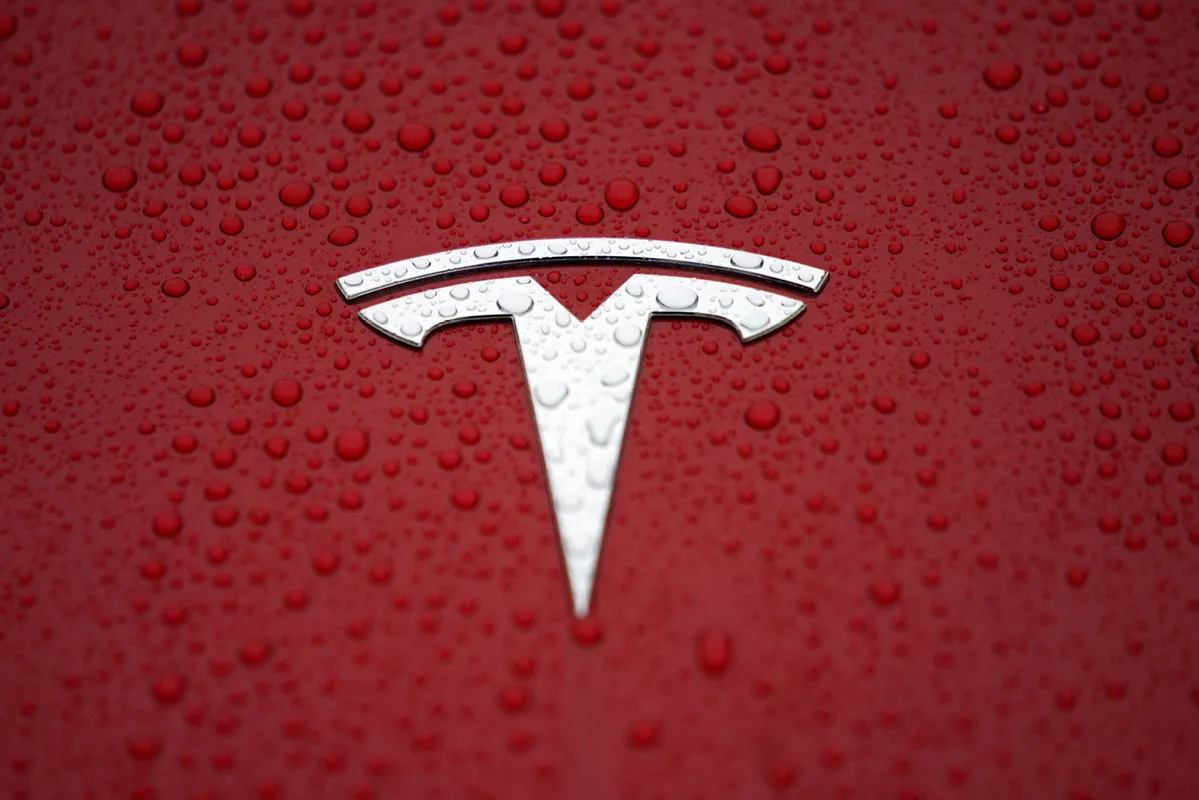
Tesla has initiated a massive recall affecting nearly three million vehicles in China due to a defect in the door handle mechanism, marking one of the largest automotive recalls in the nation's modern history.
The Chinese regulatory body mandated the recall after identifying an issue with the handles on several models, compelling Tesla to address the safety and functional concern across its substantial domestic fleet. This action underscores increasing scrutiny from Chinese authorities over quality control for foreign manufacturers operating within the highly competitive electric vehicle market.
Scope and Technical Details of the Recall
The recall encompasses a significant portion of Tesla's sales in mainland China, targeting vehicles where the door handles have been identified as potentially failing. While specific technical failure modes were not detailed in initial reports, the regulatory action signals a concern regarding operational integrity under real-world driving conditions.
Tesla acknowledged the directive and is implementing remedies to rectify the defect across the affected units. The scale of this recall—approaching three million vehicles—highlights both Tesla's immense market penetration in China and the rigorous compliance expectations set by Chinese regulators for vehicle safety standards.
Industry analysts suggest that while handle malfunctions may seem minor compared to battery or autonomous driving software issues, their widespread nature forces a major operational response from the automaker. The recall process itself requires logistical coordination between Tesla's local service centers and the national regulatory framework.
This event places pressure on Tesla to demonstrate robust quality assurance protocols within its Chinese manufacturing and distribution network. Failure to address such systemic issues could impact consumer confidence, a critical component for sustained growth in China’s EV sector.
Implications for Tesla
The mandated recall is not merely a mechanical fix; it carries significant weight in the broader context of global automotive competition within China. Chinese domestic rivals are aggressively leveraging quality and local compliance as key differentiators against international giants like Tesla.
For Tesla, managing this large-scale recall demonstrates its commitment to regulatory adherence in one of the world's most challenging and lucrative markets. The swift response is crucial for mitigating reputational damage stemming from a defect impacting such a high volume of vehicles.
Furthermore, the incident serves as a case study regarding the increasing operational risk associated with rapid expansion in China. As foreign firms scale production to meet soaring demand, local regulatory oversight sharpens its focus on component integrity and long-term reliability.
Tesla's ability to execute this recall efficiently will be scrutinized by investors and competitors alike. A successful resolution reinforces the brand’s commitment to operational excellence despite market turbulence. Conversely, prolonged or complicated remediation could signal deeper systemic challenges in Tesla's localized supply chain management.