
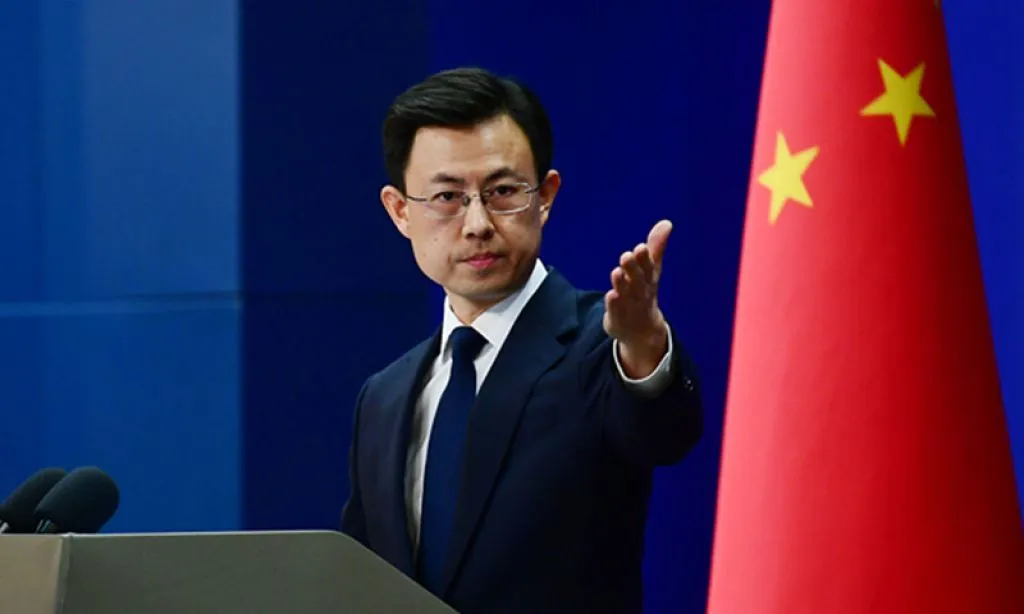
China and the United States initiated high-level dialogues on artificial intelligence, signaling a strategic pivot toward managing technological competition while seeking areas of mutual cooperation.
The discussions focused heavily on establishing norms for AI development and deployment, reflecting growing international concern over the rapid advancement and potential societal impact of large language models and generative AI.
Sources indicate that both nations recognized the dual-use nature of advanced AI—its immense potential for economic growth countered by risks related to security and misinformation. The dialogue appears structured around delineating areas where national interests diverge sharply from those requiring collaborative global governance.
Bilateral Discussions on AI Governance
The recent exchanges underscore a move away from purely competitive technological skirmishes toward a more nuanced diplomatic engagement concerning foundational technologies like AI. Officials stressed the need for transparency in how AI systems are trained and deployed, particularly when these systems influence critical national infrastructure or public discourse.
A key point of contention addressed during the talks involved data sovereignty and algorithmic bias. China emphasized the necessity of domestic control over vast datasets used to train sophisticated models, while US representatives pressed for greater interoperability standards across international platforms. This tension highlights differing regulatory philosophies regarding technological autonomy.
The dialogue acknowledged that AI governance cannot be solely a bilateral matter; therefore, there was an implicit recognition of multilateral forums as necessary venues for future consensus-building. Reports suggest that initial agreements focused on establishing communication channels to prevent misunderstandings arising from rapid technological shifts.
Specific technical areas under review included the safety protocols surrounding frontier AI models—those possessing advanced reasoning capabilities. Both sides appeared cautiously optimistic about finding common ground on risk mitigation frameworks, even while maintaining distinct national strategies for AI supremacy in various sectors.
Strategic Implications for Global Tech Landscape
The significance of this dialogue extends beyond mere diplomatic exchanges; it signals the formalization of a new era in Sino-American technological engagement. Instead of outright decoupling, the current trajectory suggests a managed competition where specific domains are reserved for national leadership while others benefit from cooperative standards setting.
For the global technology sector, these discussions carry immediate implications for investment and R&D priorities. Companies operating across both jurisdictions must navigate evolving regulatory landscapes that simultaneously demand cutting-edge innovation and stringent compliance with diverging ethical guidelines regarding AI deployment. The commitment to dialogue provides a degree of predictability, albeit a conditional one.
Furthermore, the focus on norms suggests an attempt to shape the global rules of the road for AI before its proliferation outpaces regulatory capacity. If successful, these talks could lay groundwork for broader international agreements modeled after nuclear non-proliferation treaties, applying similar principles to algorithmic power.
Analysts observing the proceedings noted that while geopolitical rivalry remains a constant backdrop, the shared recognition of AI's transformative economic potential acts as a powerful incentive for maintaining lines of communication. The sustained nature of these high-level engagements indicates that managing technological divergence is now considered a core element of strategic statecraft.