🎙 Listen to a summary of this story
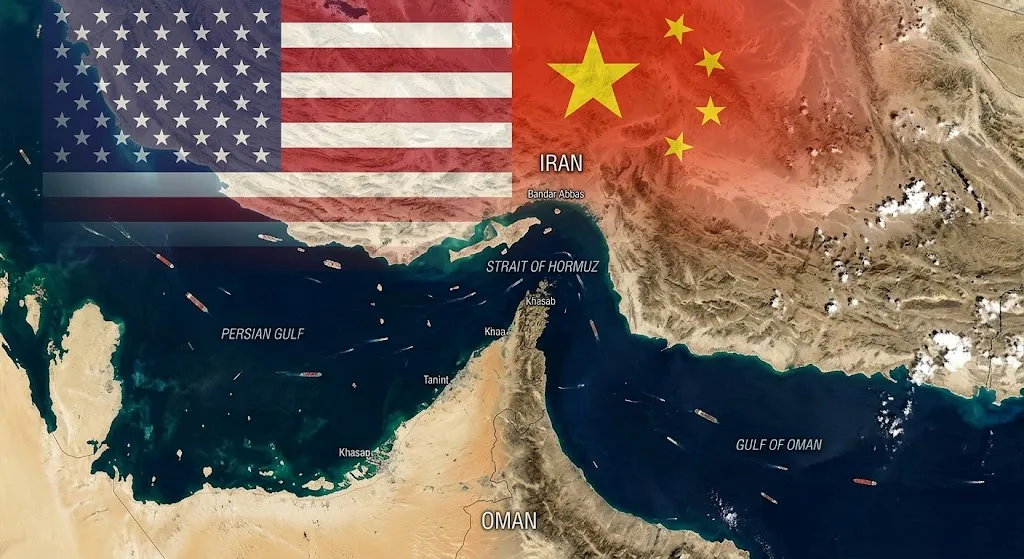
The U.S. Treasury Department has sanctioned several Chinese firms for facilitating trade with Iran, tightening restrictions on entities skirting American prohibitions against Tehran.
The actions signal a continued enforcement push by Washington against international economic actors perceived as undermining U.S. sanctions policy toward Iran. The sanctions specifically target companies engaged in transactions that circumvent existing prohibitions, placing them at risk of exclusion from the U.S. financial system and markets.
The designation of these Chinese trading partners underscores the increasing global scrutiny on supply chains that maintain links to the Iranian market despite stringent U.S. government directives. These firms are accused of providing critical components, raw materials, or acting as intermediaries in transactions involving sanctioned Iranian entities.
The Treasury Department’s moves are not isolated; they reflect a broader strategy to ensure compliance across international borders, challenging the effectiveness of third-party nations in enabling Iranian commerce. The sanctions are designed to impose direct financial and operational consequences on the Chinese entities involved.
Scope and Mechanism of the Sanctions
These sanctions utilize mechanisms designed to restrict the ability of the designated Chinese firms to transact with U.S. persons or entities. The penalties can include blocking assets within U.S. jurisdiction and restricting access to the American financial network, creating significant operational hurdles for the sanctioned companies.
The involvement of Chinese firms highlights the intricate web of global trade that allows sanctioned nations to maintain access to international commerce. By penalizing the facilitators, the U.S. seeks to dismantle the financial infrastructure supporting Iran's continued engagement with the global economy outside of sanctioned channels.
The scope of the targeted activities appears to encompass various types of trade, suggesting that the violations are systemic rather than isolated incidents. This indicates a pattern of deliberate circumvention of the comprehensive U.S. economic pressure applied to Iran since the imposition of sweeping sanctions.
Geopolitical Implications of the Enforcement
The diplomatic fallout from these sanctions is significant, placing pressure on China, a major global trading partner, to align its commercial interests more closely with U.S. security objectives regarding Iran. While Beijing has historically maintained a complex relationship with both Washington and Tehran, these sanctions force a recalibration.
Analysts view this enforcement action as a demonstration of the enduring reach of U.S. financial power. Even as geopolitical dynamics shift, the ability of the U.S. Treasury to impose extraterritorial sanctions remains a powerful lever in international diplomacy. These actions serve as a clear warning to other nations regarding the risks associated with enabling Iranian economic activity.
For the targeted Chinese companies, the sanctions represent a severe risk assessment challenge. They must navigate the competing demands of lucrative trade with Iran against the existential threat posed by losing access to the vast and interconnected U.S. economic infrastructure.