🎙 Listen to a summary of this story
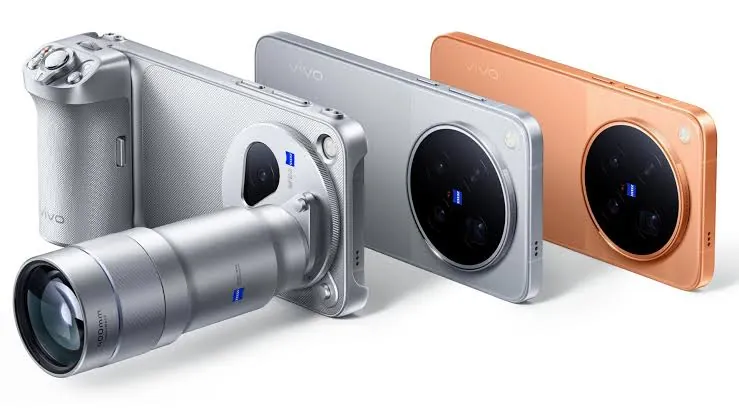
Vivo X500 Ultra is reportedly targeting a significant increase in telephoto capabilities, even as it may compromise the resolution of its primary camera sensor. This strategic hardware shift suggests Vivo is prioritizing optical reach and zoom performance over absolute megapixel counts for the flagship device, signaling a calculated move within the hyper-competitive premium smartphone sector.
The rumored configuration indicates that while the main lens might feature a reduced pixel count compared to previous iterations, the telephoto system is slated for enhancement. This focus on specialized optical hardware reflects an industry trend where zoom quality and versatility are becoming more critical differentiators than raw sensor density alone in high-end Android devices.
This anticipated trade-off forces consumers and analysts alike to reassess the traditional hierarchy of camera specifications, indicating a pivot toward superior computational optics and lens engineering rather than simply chasing higher resolution figures for marketing impact.
Technical Deep Dive into Imaging Hardware
Specific details surrounding the X500 Ultra’s camera array remain fluid, but industry leaks point to substantial upgrades in the optical zoom hardware. The emphasis on a larger telephoto component suggests Vivo is aiming for improved light gathering and reduced digital cropping artifacts at extreme focal lengths.
The decision to potentially lower the main sensor resolution—a departure from some recent market trends favoring 108MP or higher sensors—is likely rooted in optimizing image processing pipelines. A slightly smaller, highly efficient sensor paired with advanced computational photography algorithms can often yield cleaner, more usable images across various lighting conditions than a massive but less optimized pixel count.
Furthermore, the integration of these disparate camera modules into a cohesive system is paramount. The success of this configuration hinges not only on the individual lens quality but also on how Vivo's software stack merges data from the main, ultrawide, and telephoto sensors to deliver consistent user experiences across all modes.
Market Dynamics and Industry Implications
This rumored specification profile places the X500 Ultra directly into a battleground where established players are aggressively pushing optical zoom boundaries. By doubling down on telephoto prowess, Vivo is positioning itself as a leader in photographic versatility, challenging rivals who have historically focused solely on primary sensor megapixel counts.
From a broader market perspective, this signals the maturation of the flagship smartphone camera segment. The era where simply listing the highest resolution number guaranteed sales momentum appears to be receding; instead, demonstrable, high-quality performance across varied use cases—like distant object capture—is becoming the true currency.
Analysts suggest that Vivo’s calculated risk here could redefine consumer expectations for zoom functionality in 2026. If executed successfully, this focus on optical engineering over sheer pixel density could set a new benchmark for premium mobile imaging systems globally, compelling competitors to rethink their own hardware allocation strategies.