🎙 Listen to a summary of this story
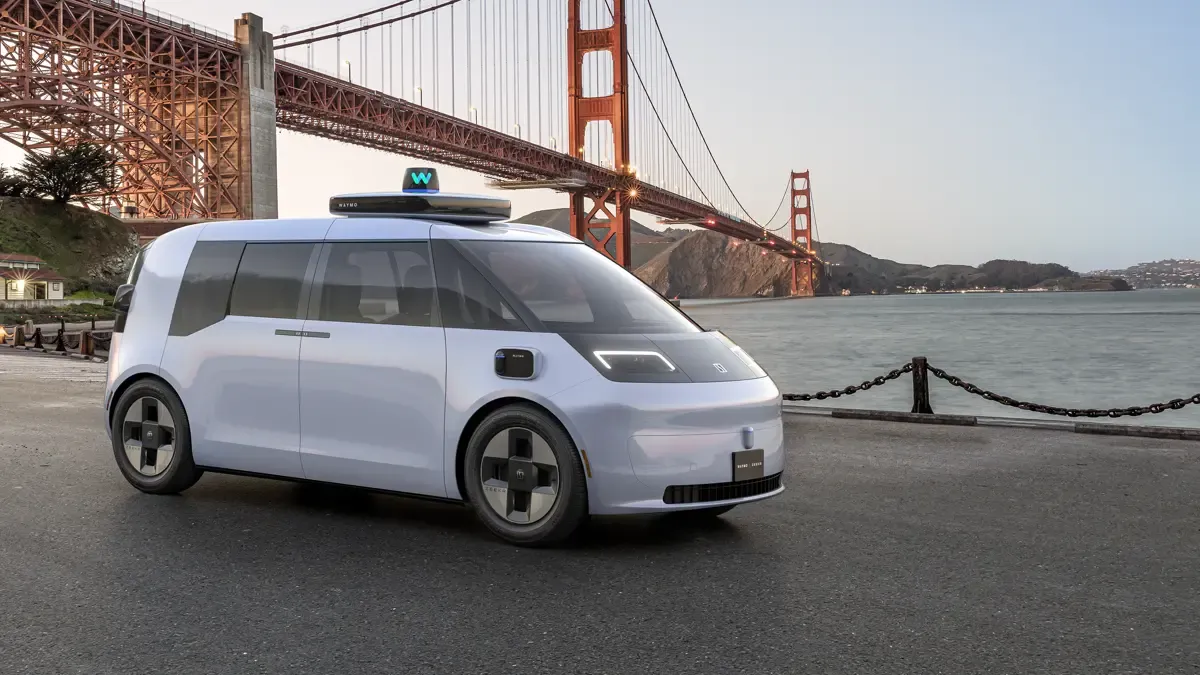
Waymo, the autonomous vehicle technology leader, is increasingly integrating Chinese electric vehicles (EVs) into its robotaxi fleet, marking a significant shift in how advanced mobility services operate in the United States. This strategic adoption challenges traditional assumptions about supply chains and foreign market access within the highly regulated U.S. automotive sector.
Sources indicate that Waymo has been importing Chinese-manufactured EVs to power its autonomous operations, utilizing these vehicles for testing and commercial deployment across various routes. This move not only expands the operational range of their self-driving services but also highlights a growing willingness among major tech players to source key components from China, despite ongoing geopolitical tensions.
The integration of Chinese EVs is reportedly occurring through multiple channels. One reported pathway involves using these vehicles for testing and deployment in combination with established routes that span the U.S., while other sources suggest similar deployments are taking place via Canadian and Mexican corridors, suggesting a multi-national expansion strategy for autonomous mobility.
Geopolitical Implications and Supply Chain Dynamics
The decision by a prominent American tech firm like Waymo to rely on Chinese EV imports raises complex questions regarding supply chain resilience and technological dependency. While the operational benefits—such as accessing cost-effective, high-performance vehicles—are clear for scaling autonomous services, the move is viewed through the lens of increasing U.S.-China trade scrutiny.
Industry analysts suggest that this trend reflects a pragmatic commercial calculus. For companies focused on rapid deployment and achieving operational scale, immediate access to robust vehicle supply outweighs potential geopolitical headwinds. The Chinese EV market has rapidly matured, offering diverse models and advanced battery technology that are proving attractive to global operators.
Furthermore, the utilization of these vehicles suggests that autonomous driving technology is becoming increasingly decoupled from specific national automotive brands. Instead, the focus is shifting toward the integration of sensing hardware (LiDAR, cameras) and sophisticated AI software, with the vehicle itself serving primarily as a platform for mobility rather than a brand statement.
The adoption also provides a counter-narrative to some restrictive trade policies. By demonstrating successful, large-scale operational use of Chinese vehicles on American roads, Waymo effectively showcases the commercial viability and safety standards of these imported models in real-world deployment scenarios.
Impact on US Autonomous Mobility Market
The increased visibility of Chinese EVs operating autonomously in U.S. cities is poised to accelerate competition within the domestic autonomous vehicle market. Competitors and startups are likely monitoring this integration closely, assessing both the operational efficiency and the regulatory hurdles associated with foreign EV imports.
For consumers and urban planners alike, the presence of diverse global brands powering robotaxis signals a more diverse and potentially lower-cost future for shared mobility services. The data gathered from these varied fleets will be critical in refining autonomous algorithms to handle different vehicle geometries, operational quirks, and local driving conditions.
The overall trajectory suggests that commercial autonomy deployment is reaching a point of necessary global sourcing. Companies can no longer afford to restrict their hardware options based solely on national origin; the priority must be maximizing uptime and minimizing cost per mile traveled.
As Waymo continues its expansion, powered by these imported vehicles, it sets a precedent for other mobility providers. The narrative shifts from "which brand is best" to "which operational system is safest and most scalable." This trend underscores the global interconnectedness of high-tech industries and the practical realities driving technological adoption.
The continued monitoring of Waymo's operations, coupled with reports on other international deployments and similar routes, will provide deeper insight into the future structure of American autonomous transportation.