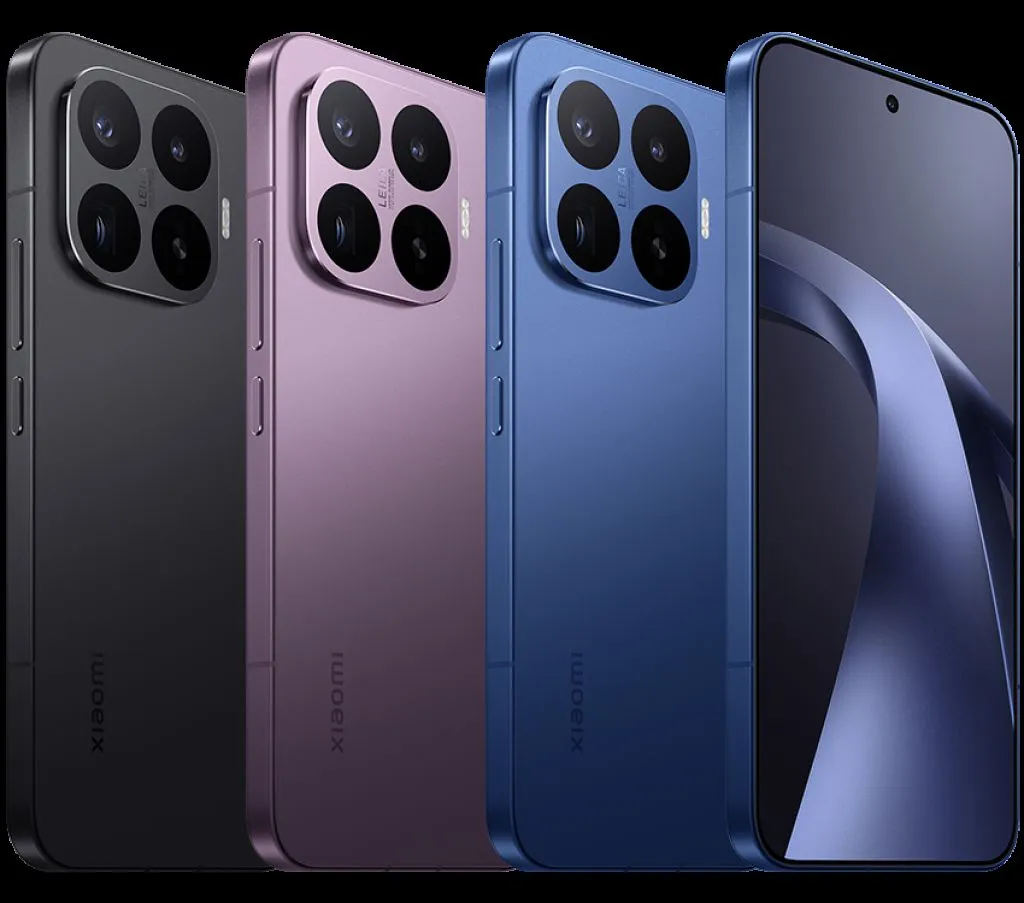
The Xiaomi 17T Pro marks a significant software milestone, becoming the first HyperOS device to integrate native AirDrop support.
HyperOS Elevates Ecosystem Integration with Apple-Style Sharing
This integration signals a deliberate move by Xiaomi to enhance cross-platform connectivity within its evolving HyperOS ecosystem. The capability allows users to seamlessly transfer files between the Android environment and Apple devices, mirroring the functionality popularized by Apple's native AirDrop.
The introduction of this feature addresses a persistent friction point in mobile operating systems: the lack of standardized, high-speed file exchange protocols across disparate ecosystems. For HyperOS, which seeks to unify hardware and software experiences across its diverse device lineup, adopting such a widely recognized sharing mechanism is strategically valuable.
Sources indicate that this implementation within the 17T Pro represents more than just a feature addition; it reflects deeper infrastructural updates within the operating system itself. It suggests Xiaomi is investing heavily in optimizing HyperOS for interoperability rather than maintaining strict vendor silos.
Users can now leverage the convenience of AirDrop-like functionality, facilitating rapid sharing of photos, documents, and other media directly to iPhones or iPads without relying on intermediary cloud services or Bluetooth pairing complexities. This elevates the user experience from simple connectivity to genuine ecosystem fluidity.
The Xiaomi 17T Pro itself carries substantial hardware specifications that complement this software upgrade, positioning it as a flagship contender in the mid-to-high range market segment. The combination of premium performance and enhanced cross-platform utility makes the device a compelling proposition for tech-savvy consumers.
Implications for Android Customization
This development places Xiaomi in direct competition with how other major Android OEMs are attempting to bridge the gap between their proprietary software layers and entrenched platform standards. While Google's ecosystem remains dominant, manufacturers like Xiaomi must innovate around limitations to retain market share against closed systems.
The integration of AirDrop functionality is a form of 'feature parity' acquisition, allowing HyperOS to borrow established usability paradigms from competitors, specifically Apple. This strategy allows the OS to appear more mature and integrated without requiring fundamental shifts in core Android architecture.
Industry analysts view this as an indicator that Xiaomi is moving beyond simple feature deployment toward building a comprehensive digital utility layer on top of its base OS. HyperOS appears designed not merely as an operating system skin but as a unified management framework for the user's connected life.
The success or failure of this integration will set a precedent for future software rollouts across Xiaomi’s device portfolio. If the implementation is robust and stable, it could encourage other Android manufacturers to pursue similar cross-platform enhancements to improve overall user satisfaction in a fragmented mobile landscape.