🎙 Listen to a summary of this story
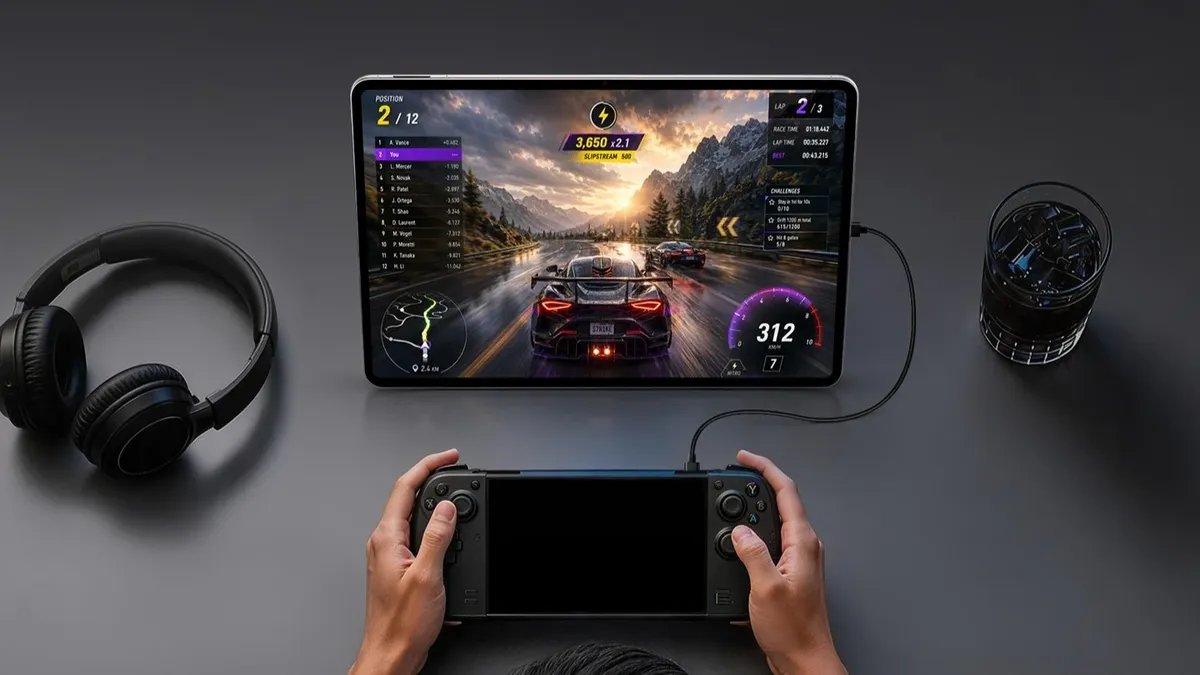
Xiaomi is teasing the Xiaomi Pad 9 Pro Max, featuring a 13.3-inch, 3.4K touchscreen capable of functioning as a secondary monitor via a USB-C connection.
This display technology represents a significant step toward integrating high-powered mobile tablets into professional workflows, effectively turning the device into an extension of a primary computer setup. The capability allows users to utilize the tablet screen for extended desktop productivity without requiring external peripherals, a feature highly valued in hybrid and mobile office environments.
The specifications revealed indicate a high-resolution panel capable of delivering sharp visuals necessary for detailed graphic design, spreadsheet analysis, or multi-window operation. The integration of USB-C for display output standardizes the connection, aligning the tablet with modern universal peripheral ecosystems.
Industry analysts suggest that the inclusion of robust external monitor support addresses a long-standing gap in the premium tablet market. While many tablets excel in media consumption, the Pad 9 Pro Max appears engineered with a focus on computational utility, positioning it directly against high-end 2-in-1 laptops in certain use cases.
Display and Performance Specifications
The core innovation centers on the 13.3-inch display panel, which boasts a 3.4K resolution. This high pixel density ensures that even text-heavy documents and intricate design elements remain crisp and legible across the large surface area. The tactile nature of the touchscreen, combined with the monitor output functionality, suggests a dual-purpose device designed for both direct interaction and passive display extension.
The utilization of the USB-C port for monitor signaling moves beyond simple charging or data transfer. This standard allows the tablet to act as a display receiver, mimicking the functionality of a dedicated external monitor when paired with a compatible host device such as a laptop or desktop PC. This feature is critical for professionals who frequently transition between portable and stationary workstations.
While the initial brief focuses solely on the display, the positioning of the Pad 9 Pro Max suggests that associated hardware, such as a stylus or keyboard accessory, will be crucial to unlocking its full potential as a productivity tool. The hardware architecture supporting this display output must manage significant data throughput, requiring efficient processing power within the device chassis.
Market Implications and User Utility
For enterprise users, the ability to deploy a large, high-resolution secondary screen from a single tablet device streamlines hardware requirements and reduces desk clutter. Instead of managing a laptop, a keyboard, and a separate monitor, the user can consolidate these functions onto one portable unit.
The market reception to this feature will heavily depend on the accompanying software implementation. The tablet's operating system must provide seamless driver compatibility and low-latency performance when acting as a monitor. Lag or input delay would immediately negate the benefit of the high-resolution display, regardless of its physical capabilities.
The teasing of the Pad 9 Pro Max signals Xiaomi's intent to compete aggressively in the premium tablet segment. The focus is clearly shifting from mere media consumption to genuine computational utility, targeting power users who demand desktop-level functionality in a portable form factor.
If Xiaomi successfully optimizes the software to match the hardware's promise, the Pad 9 Pro Max could redefine the utility of large-format consumer tablets, establishing a new benchmark for mobile productivity hardware.