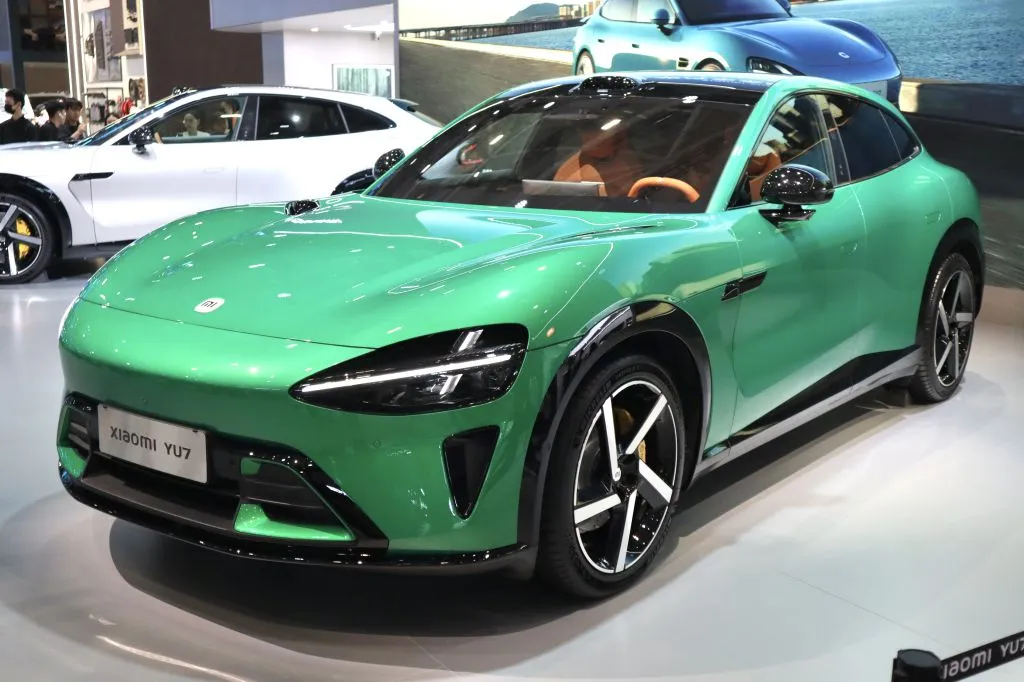
Xiaomi surpassed 80,000 electric vehicle (EV) deliveries in the first quarter of 2026, signaling significant acceleration in its burgeoning automotive division.
The latest figures confirm Xiaomi's aggressive push into the high-growth EV market is yielding tangible results, challenging established players within the fiercely competitive Chinese landscape. This performance places the company firmly among the major domestic contenders vying for market dominance.
Q1 Performance and Market Position
The quarterly delivery volume of over 80,000 units represents a substantial leap forward from previous periods, indicating robust consumer adoption of Xiaomi's electric offerings. The data released indicates sustained momentum throughout the first three months of the year.
Analysts observing the sector note that this growth trajectory is not merely reflective of brand recognition but also suggests successful product-market fit for its current EV lineup. Xiaomi has strategically positioned itself by leveraging its vast ecosystem advantages, integrating automotive technology with its established consumer electronics footprint.
The company's strategy appears focused on maintaining a high volume while simultaneously refining its technological offering to meet evolving regulatory and consumer demands in China. Specific details regarding the breakdown of models within this delivery figure provide further insight into which vehicles are driving the most substantial growth.
This surge contrasts sharply with market expectations from earlier in the year, where some industry observers questioned the pace at which a non-traditional automotive manufacturer could capture meaningful share. The Q1 results definitively countered those reservations.
Strategic Implications for Xiaomi and the EV Sector
The sustained delivery success carries significant strategic weight for Xiaomi beyond mere sales figures; it validates their long-term capital commitment to the automotive sector. Entering the EV space requires immense investment in supply chains, R&D, and manufacturing scale, all of which this performance begins to justify.
For investors, the 80,000 unit milestone suggests that Xiaomi is moving past the nascent phase of EV production and into a period of scalable operational execution. This transition from pilot program to volume player is critical for long-term valuation.
Furthermore, this achievement places pressure on competitors. The rapid scaling demonstrated by Xiaomi forces rivals to either accelerate their own development cycles or risk ceding crucial market share in the increasingly competitive segment. Competitors must now respond directly to the operational efficiency and consumer pull Xiaomi is generating.
According to reports detailing the performance, the underlying success is tied to a combination of aggressive pricing strategies paired with technological integration—a hallmark of the Xiaomi brand ethos applied to mobility. Ultimately, Xiaomi's Q1 results establish a firm benchmark for domestic EV manufacturers navigating the transition from early adoption to mass market saturation.
X