🎙 Listen to a summary of this story
Artificial intelligence is fundamentally accelerating China's energy sector transition, optimizing grid stability and dramatically enhancing the integration of renewable power sources across the national infrastructure.
The deployment of advanced AI technologies is addressing long-standing complexities inherent in modernizing massive, decentralized energy systems, moving the sector toward a genuinely "smart" operation. These intelligent systems are not merely improving efficiency; they are enabling the structural shift required to meet stringent national carbon neutrality goals while simultaneously managing the intermittency challenges posed by solar and wind energy generation.
Experts within the energy research community indicate that AI algorithms are proving critical in predictive maintenance and demand forecasting. By analyzing vast datasets—including weather patterns, historical consumption spikes, and real-time grid loads—AI models can anticipate failures in transmission lines or predict energy demand fluctuations with precision previously unattainable. This proactive capability minimizes system downtime and prevents cascading failures, ensuring a more resilient power supply for industrial and residential users.
Specifically, the application of machine learning in grid management is transforming how distributed energy resources (DERs) are handled. DERs, which include rooftop solar and local battery storage units, introduce volatility into the traditional centralized grid model. AI platforms serve as the necessary orchestration layer, balancing supply and demand across thousands of these smaller nodes instantaneously. This level of dynamic management allows utilities to safely absorb higher percentages of non-dispatchable clean energy.
The strategic significance of this technological pivot extends beyond mere kilowatt-hour optimization. It underpins the entire national strategy for energy security. By diversifying energy sourcing through smarter integration of renewables, China reduces its reliance on volatile fossil fuel markets and enhances domestic control over its power generation capabilities. This digitalization effort represents a core component of China's broader industrial modernization drive.
AI Applications Across the Energy Value Chain
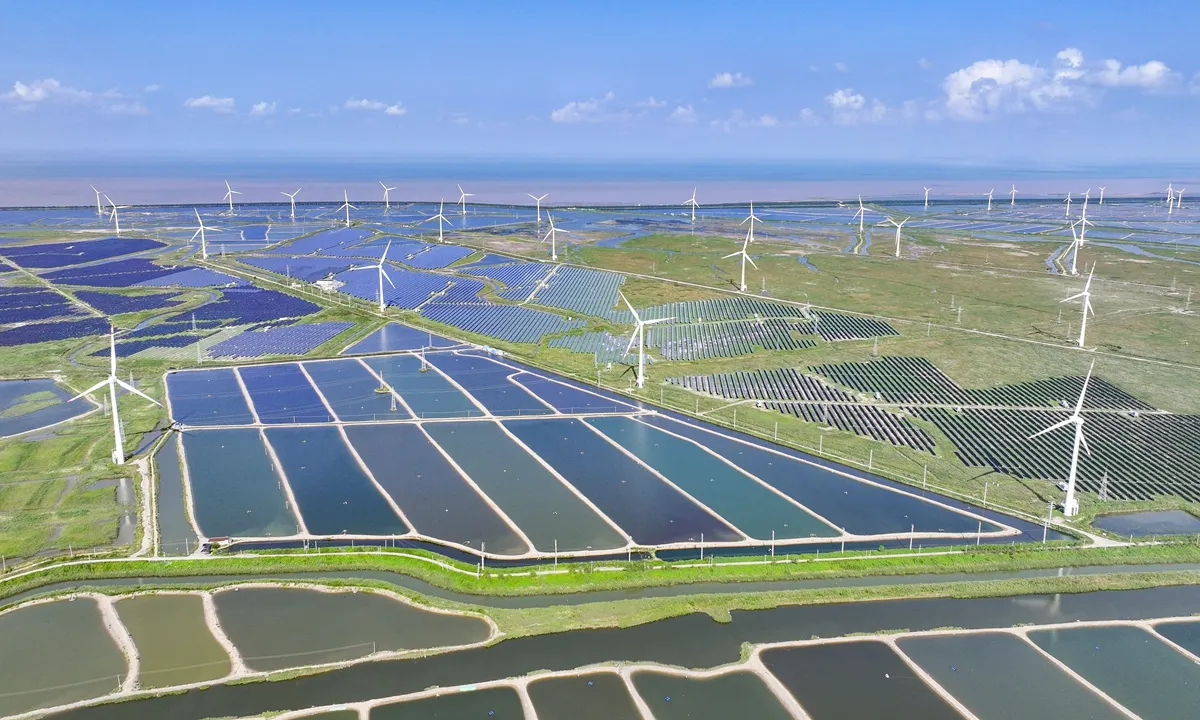
The scope of AI implementation spans the entire energy value chain, from initial resource generation to final consumption. In the generation phase, AI is being utilized to fine-tune the operational parameters of large-scale renewable farms. For instance, optimizing the pitch and yaw of wind turbine blades based on micro-weather predictions maximizes energy capture efficiency in real-time, translating directly into higher output per unit of installed capacity.
Furthermore, the consumer-facing aspect benefits significantly from AI-driven smart metering and personalized energy management. Smart meters, coupled with AI analytics, provide consumers with granular data on their consumption habits, allowing them to adjust usage patterns during peak pricing windows or periods of high grid stress. This shifts some of the burden of grid balancing from the utility operator to the end-user, creating a collaborative energy ecosystem.
The research demonstrates that the most profound gains are found in the intersection of data science and physical infrastructure. AI transforms static hardware into responsive, intelligent components. This shift is crucial for making the transition away from carbon-intensive power generation a technically feasible reality at the scale required by a global economic powerhouse like China.
The continued investment in these AI-powered solutions signals a commitment not just to cleaner energy, but to a fundamentally more complex and sophisticated national energy architecture.
Future Trajectories and System Resilience
Looking forward, the trajectory suggests an increasing convergence between AI-managed energy systems and autonomous vehicle networks, creating highly integrated smart cities. These systems will not only manage power flow but will also optimize the charging schedules of electric vehicles based on predicted localized energy surpluses or deficits.
System resilience remains a primary focus. AI models are increasingly being trained not only on 'normal' operational data but also on simulated catastrophic events—such as extreme weather events or cyberattacks. This capability allows utilities to develop and pre-test automated recovery protocols, ensuring that the grid can self-heal or reroute power with minimal human intervention during crises.
Ultimately, the integration of AI is less about introducing a new technology and more about unlocking the latent potential within existing renewable assets. It provides the necessary computational intelligence to manage the inherent entropy of decentralized, clean energy production, cementing AI as the essential digital backbone of China's sustainable energy future.