🎙 Listen to a summary of this story
China is rapidly solidifying global dominance in the drone industry, leveraging aggressive domestic manufacturing and sophisticated technological integration to capture critical market share worldwide. The proliferation of Chinese UAVs—Unmanned Aerial Vehicles—is not merely a commercial trend but represents a significant shift in aerospace technology, impacting everything from agricultural surveying to military surveillance capabilities.
This ascendancy is fueled by state-backed investment and rapid iteration cycles that allow domestic firms to deploy advanced features faster than many established Western counterparts. The sheer volume of production combined with continuous hardware refinement positions Chinese manufacturers as the primary global suppliers across multiple drone segments, making them a central player in international trade dynamics.
The immediate strategic significance lies in the dual-use nature of these platforms; while consumer and commercial applications drive initial market penetration, the underlying technological expertise translates directly into advanced military and surveillance capabilities, raising geopolitical concerns regarding data control and technological dependency among importing nations.
Technical Advancements and Commercial Dynamics
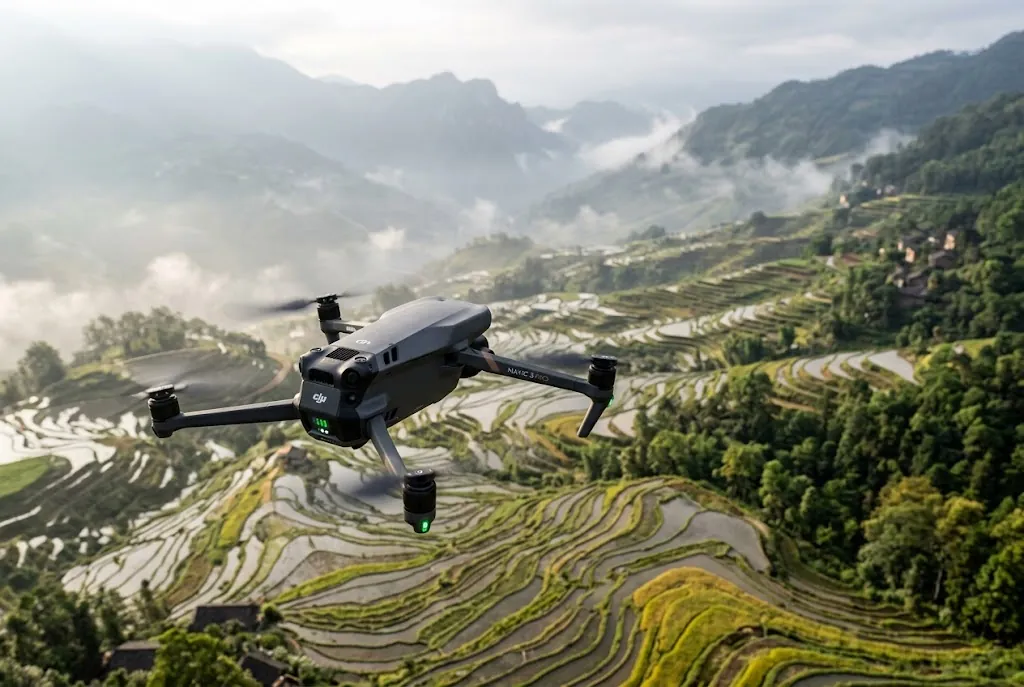
Chinese drone technology is characterized by significant advancements in sensor payload integration and flight endurance. Modern commercial models frequently incorporate high-resolution optical zoom cameras coupled with thermal imaging systems, enabling detailed inspection of infrastructure or monitoring of large tracts of land under diverse environmental conditions. Software suites manage complex autonomous navigation routes, moving beyond simple remote piloting.
Hardware innovation focuses heavily on miniaturization and power efficiency. Battery technology advancements allow for extended operational flight times—a critical bottleneck in previous drone generations. Furthermore, the integration of proprietary communication protocols ensures robust data links, even in congested or challenging radio frequency environments, a key differentiator against less integrated foreign systems.
Commercially, firms are aggressively targeting diverse sectors. Agriculture utilizes drones for precision spraying and yield mapping, while construction employs them for site progress monitoring, standardizing the use case of these sophisticated tools across varied industries globally. This broad commercial adoption acts as a powerful incubator for subsequent military-grade refinement.
Implications and Market Trajectory
The dominance achieved in drone manufacturing carries profound geopolitical weight. Nations relying on foreign technology become increasingly reliant on Chinese supply chains, creating both economic opportunities and strategic vulnerabilities concerning data security and technological sovereignty. This has spurred increased scrutiny from Western defense establishments regarding the provenance of these aerial systems.
Market analysts project continued exponential growth, driven by increasing global demand for remote sensing solutions in disaster relief and infrastructure maintenance. However, the industry's trajectory is also being shaped by international regulatory frameworks concerning airspace management and data localization, factors Chinese manufacturers are actively navigating through localized production strategies.
Ultimately, China’s mastery over drone technology signifies a maturation of its entire high-tech manufacturing ecosystem. It signals a transition from simply assembling components to controlling the entire value chain—from core chip design to final integrated aerial platform deployment—cementing its role as a critical global technological hegemon in this burgeoning field.