🎙 Listen to a summary of this story
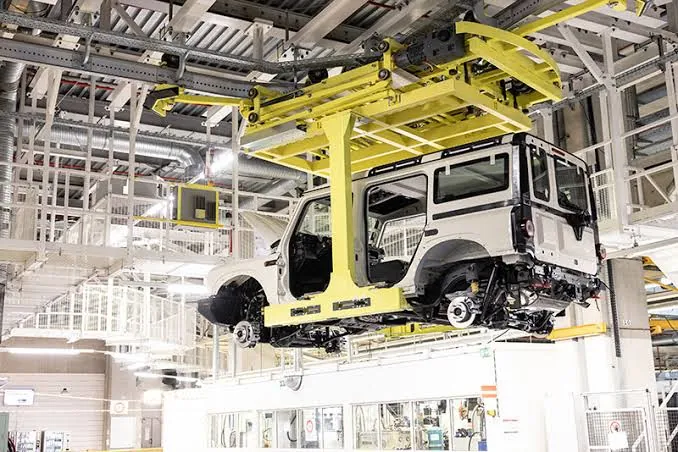
BYD has entered exclusive negotiations to acquire the Ineos vehicle production plant in Hambach, France, signaling a major escalation in the Chinese giant's aggressive global manufacturing expansion.
This potential acquisition represents a significant strategic pivot for BYD, allowing the automaker to immediately secure established European production infrastructure and market access without the lengthy process of ground-up construction. The talks, which have placed BYD in an exclusive position, are poised to redefine the competitive landscape of the European electric vehicle market.
The move directly addresses BYD's stated objective of expanding its international footprint beyond existing markets, positioning the company to capitalize on the accelerating regulatory push toward electrification across the European Union. The sale of the facility suggests Ineos is seeking to streamline its operations or divest from certain manufacturing segments.
Commercial Dynamics and Operational Integration
The Hambach facility represents a mature, high-capacity automotive production line, offering BYD immediate operational leverage. From a commercial perspective, the transaction is not merely an acquisition of real estate; it involves absorbing established supply chain relationships, skilled local labor pools, and existing regulatory compliance frameworks necessary for operating within the stringent EU automotive sector.
For BYD, integrating this plant means circumventing typical market entry barriers associated with establishing a greenfield site in a heavily regulated region. The commercial viability hinges on the integration strategy: whether BYD intends to maintain the existing product line or pivot to deploying its proprietary, high-volume EV models, which would significantly alter local production output and employment profiles.
Industry analysts suggest the valuation of the Poissy site reflects not just physical assets, but the substantial intangible value of its European manufacturing pedigree. The financial structure of the deal remains undisclosed, but the exclusivity granted to BYD indicates a high degree of strategic importance from both parties involved.
Geopolitical and Market Implications
This potential deal carries substantial geopolitical weight, marking a deeper penetration of Chinese automotive manufacturing into the heart of the European industrial base. As European governments grapple with balancing domestic industrial support against the influx of highly competitive, often subsidized, Chinese EVs, BYD’s acquisition becomes a focal point for policy discussions.
The successful integration of the plant would solidify BYD's status as a truly multinational automotive power, challenging long-standing dominance by legacy European and American manufacturers. This move accelerates the trend of global supply chain re-routing toward Asian EV production hubs, even when leveraging established local assets.
Ultimately, the acquisition underscores the current global automotive shift: manufacturing capacity is rapidly becoming a primary battleground. BYD's calculated move into Poissy is a powerful signal that the company views Europe not as a peripheral market, but as a critical nexus for its long-term, high-volume global manufacturing strategy. Further details on the transaction can be tracked via The China Technology Review.