
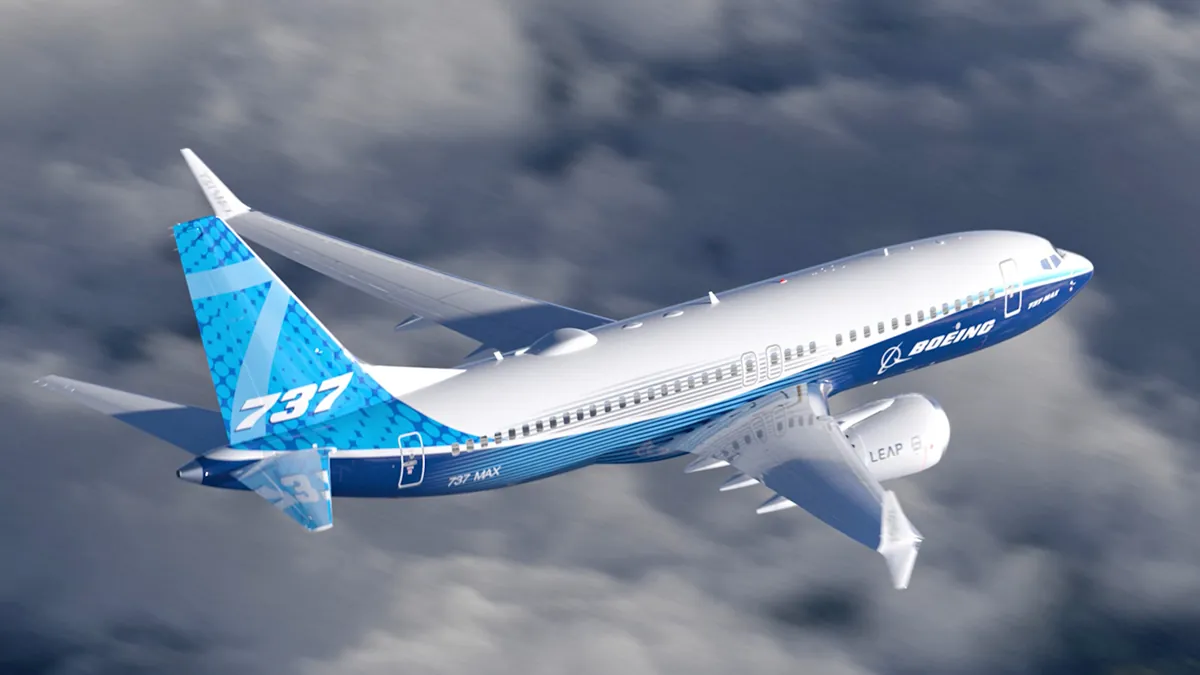
Boeing failed to land significant, firm orders during President Trump's high-profile Shenzhen visit, underscoring persistent structural headwinds facing the aerospace giant despite intense political engagement.
The absence of concrete contract announcements during the trip signals that market apprehension regarding Boeing’s operational stability and the broader aviation recovery remains substantial among key international buyers. While the visit provided a crucial platform for high-level dialogue between US and Chinese leadership, the commercial outcomes revealed a divergence between diplomatic optimism and grounded corporate risk assessment.
This lack of immediate contract traction suggests that major airline and governmental fleet expansion decisions are being held in reserve, pending further evidence of Boeing’s ability to consistently deliver high-quality aircraft without significant regulatory or production disruption.
Commercial Dynamics and Production Hurdles
The hesitation centers not on the inherent demand for Boeing’s platforms, such as the 737 MAX or the 787 Dreamliner, but on the complex calculus of risk associated with the supply chain and manufacturing quality. Despite years of efforts to stabilize production rates following previous crises, customers are scrutinizing the consistency of delivery schedules and the reliability of component sourcing.
For major international carriers, the decision to commit billions to new aircraft orders requires assurance that the aircraft will be delivered on time and meet rigorous safety standards across the entire fleet lifecycle. Any perception of production bottlenecking translates directly into higher operational risk and potential financial penalties for the end-user.
Furthermore, the commercial environment is increasingly competitive. While Boeing holds a dominant market share, rivals, particularly Airbus and emerging Chinese manufacturers, are leveraging geopolitical tensions and localized production advantages to capture market share by offering perceived alternatives with lower perceived risk profiles.
Geopolitical and Market Implications
The failure to secure deals in Shenzhen reflects a deeper trend in global commerce: the prioritization of supply chain resilience over sheer scale. As geopolitical friction between the United States and China continues to modulate global trade flows, aerospace firms are being forced to navigate a highly bifurcated market.
This situation places immense pressure on Boeing to decouple its operational performance from the volatile political cycles. Regaining investor and customer confidence necessitates a sustained period of flawless execution in production, proving that the company has successfully mitigated the systemic risks that previously plagued its operations.
Ultimately, the Shenzhen outcome serves as a clinical barometer for the global aviation sector. It confirms that in the high-stakes world of commercial aerospace, diplomatic goodwill alone is insufficient; verifiable, stable operational performance remains the only currency that truly unlocks multi-billion dollar fleet commitments.