🎙 Listen to a summary of this story
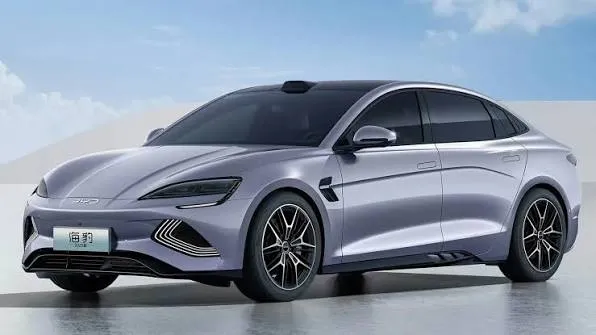
BYD confirmed plans to roll out its first electric vehicle powered by solid-state batteries in 2027, signaling a significant near-term advancement in battery technology deployment.
The automotive giant, through its subsidiary FinDreams Battery, is strategically preparing for this transition by initiating limited production runs of sulfide-based solid-state batteries. This move underscores a commitment to scaling production capabilities ahead of the targeted vehicle launch date. Solid-state technology represents a critical evolution beyond current lithium-ion standards, promising substantial improvements in energy density, charging speed, and inherent safety characteristics.
The development trajectory suggests BYD is moving past purely laboratory validation into industrial scaling. Sulfide electrolytes are a key component in many next-generation solid-state designs, and FinDreams' focus on limited runs indicates a controlled progression toward mass manufacturing viability. Such controlled scaling is essential for managing the complex material science challenges associated with solid-state integration into high-volume automotive platforms.
Industry analysts view this confirmation not merely as a product announcement but as a strategic declaration regarding BYD's competitive positioning in the global EV market. Achieving commercial viability with solid-state batteries significantly reduces the technological gap between established players and emerging leaders in battery chemistry. The 2027 timeline provides a concrete benchmark for investors and competitors tracking the evolution of EV power sources.
Technological Focus and Production Strategy
FinDreams Battery is reportedly concentrating its initial sulfide production efforts on meeting specific quality and performance benchmarks before wider application. The choice of sulfide electrolytes is rooted in their high ionic conductivity, a prerequisite for achieving fast charging rates and maintaining high operational efficiency within a vehicle drivetrain. However, sulfide batteries present unique manufacturing hurdles, particularly concerning moisture sensitivity and interface stability, which the limited runs are designed to address.
The successful integration of these batteries requires more than just chemistry; it demands comprehensive redesign of the entire vehicle architecture. Solid-state cells operate under different thermal and mechanical tolerances than conventional liquid-electrolyte cells. Therefore, the 2027 vehicle launch will likely represent a complete systems overhaul rather than a simple battery swap, impacting packaging, thermal management, and overall vehicle design philosophy.
This phased approach—from R&D to limited production to full vehicle integration—is characteristic of disciplined industrial scaling in advanced battery technology. The company is mitigating the substantial financial and technical risks associated with deploying unproven high-energy-density components into a mass-market product.
The confirmation of the 2027 timeline allows the broader industry to benchmark progress. Competitors are now under pressure to accelerate their own solid-state roadmaps, particularly those utilizing sulfide or polymer-based electrolytes. BYD’s proactive announcement establishes a clear expectation for the next generation of high-performance electric mobility.
For more detailed insights into the chemical advantages of sulfide solid-state technology, industry reports suggest that these batteries promise superior safety profiles compared to traditional lithium-ion cells, which rely on flammable liquid electrolytes. This inherent safety improvement is a major selling point for both consumers and regulatory bodies worldwide.
The success of this 2027 deployment hinges on FinDreams' ability to transition the complex, delicate sulfide production process into a cost-effective, high-throughput operation without compromising cell longevity or performance metrics. The company's ability to navigate this manufacturing inflection point will define its technological leadership in the coming decade.