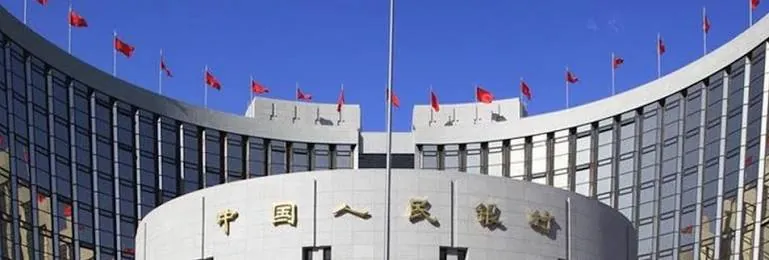
The People's Bank of China (PBOC) pledged direct support for domestic stocks after China's equity market continued a slide, defying previous government rescue efforts.
This latest intervention signals the persistent structural vulnerability within China's financial sector, suggesting that existing policy measures have failed to stabilize market sentiment amid mounting economic uncertainty. The central bank's commitment underscores the administration's determination to prevent a deeper liquidity crisis, even as underlying corporate performance remains subdued.
Market participants are interpreting this pledge not as a cure, but as a necessary stopgap measure to manage immediate panic. Despite the high-profile intervention, the broader market environment reflects deep-seated concerns over property sector distress and slowing domestic consumption, placing significant pressure on policy effectiveness.
Market Dynamics and Intervention Mechanics
The current market weakness is rooted in a confluence of regulatory tightening and economic deceleration across key industrial sectors. While the PBOC's commitment provides a floor for investor confidence, the technical metrics of the market suggest a reluctance to absorb substantial state support without fundamental economic improvement.
Analysts have noted that the effectiveness of past stimulus packages has been hampered by uneven distribution and persistent deleveraging pressures within major commercial real estate holdings. This sector weakness acts as a drag on overall corporate earnings, which is the primary driver of long-term stock valuation and investor appetite.
The intervention itself focuses on liquidity provision and signaling stability, rather than immediate quantitative easing that might provoke inflation concerns. The focus remains on maintaining operational solvency across key listed entities while the government navigates the complex path of growth stabilization.
Broader Implications and Geopolitical Context
This sustained period of market stress has wider implications for China’s integration into global capital markets. Continued domestic instability raises questions regarding the perceived risk profile of Chinese assets for international institutional investors, potentially leading to capital flight or reduced foreign direct investment.
Geopolitically, the market volatility adds another layer of complexity to Beijing's trade negotiations and global economic positioning. A faltering domestic financial system constrains the government's ability to project unwavering economic strength on the world stage, complicating efforts to counter external economic headwinds.
Ultimately, the PBOC's pledge confirms that policy levers are being deployed defensively. For the market to achieve sustainable recovery, the narrative must shift from centralized financial support to tangible improvements in corporate profitability and a verifiable rebound in consumer confidence, a transition that remains uncertain despite the high-level assurances provided by Beijing.