🎙 Listen to a summary of this story
Advanced technological showcases dominated the Canton Fair, signaling a robust acceleration in China's domestic innovation capacity across multiple high-tech sectors.
The China Import and Export Fair serves as a crucial platform where manufacturers unveiled cutting-edge advancements ranging from next-generation smart manufacturing solutions to breakthroughs in green energy hardware. This concentrated display of R&D output underscores the nation's strategic push toward self-sufficiency and technological leadership in critical global supply chains.
Key exhibits highlighted sophisticated integration between physical machinery and artificial intelligence, demonstrating a clear evolution beyond simple automation into cognitive production systems capable of adaptive decision-making on the factory floor. This shift represents a significant maturation point for Chinese industrial technology exports.
Deep Dive into Technological Capabilities
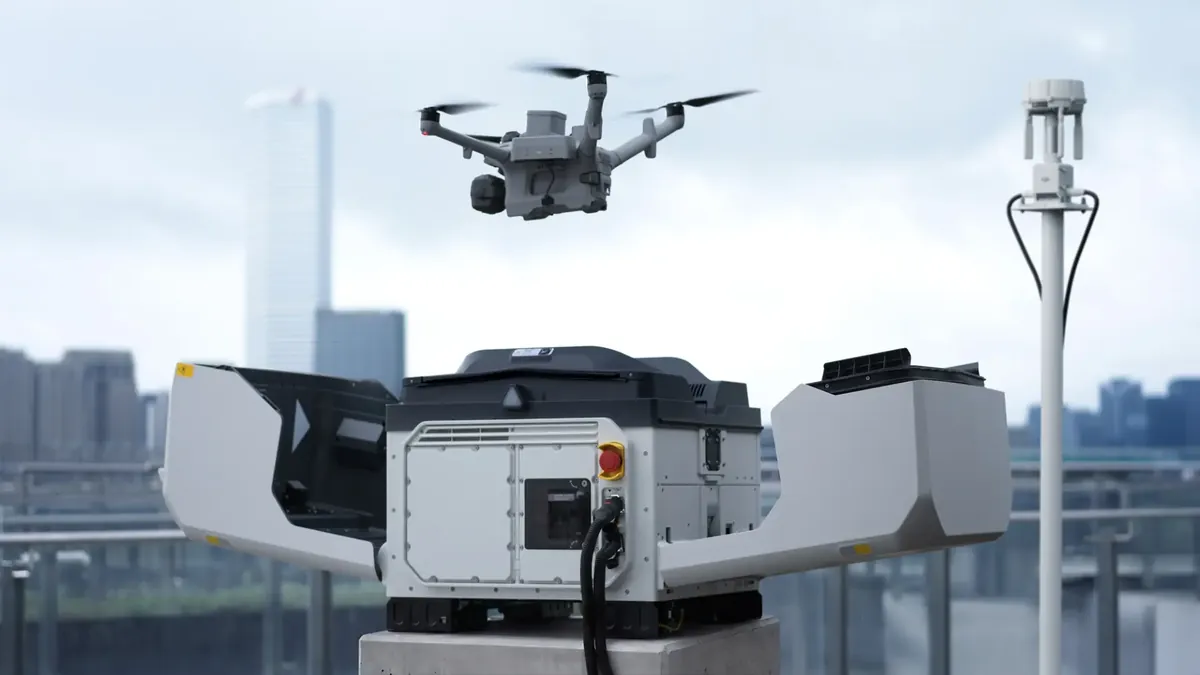
Several exhibitors presented hardware featuring unprecedented processing power coupled with miniaturization. Specifically, new sensor arrays designed for industrial monitoring exhibited enhanced resolution and real-time data throughput capabilities, crucial for predictive maintenance applications in heavy industry.
In the realm of software, demonstrations centered on localized AI models optimized for specific operational environments. These platforms utilize edge computing architecture, allowing complex analytical tasks to be executed directly on factory devices rather than relying solely on cloud infrastructure, thereby reducing latency and enhancing operational security.
Furthermore, advancements in materials science were prominently displayed, particularly concerning lightweight yet durable components for electric vehicle batteries and renewable energy storage systems. These innovations address core bottlenecks currently facing global sustainable infrastructure development.
Market Trajectory and Geopolitical Ramifications
The sheer volume and sophistication of the showcased products indicate a deepening integration of Chinese industry into high-value global manufacturing processes, moving beyond basic component supply to offering complete, intelligent systems. This capability directly impacts global procurement strategies for multinational corporations seeking resilient sourcing.
From a geopolitical standpoint, these technological leaps reinforce China's ambition to reduce reliance on Western proprietary technologies in foundational areas like semiconductor design and industrial control systems. The fair effectively serves as an international proving ground for this strategic independence.
Analysts suggest that the convergence of sophisticated domestic hardware with increasingly capable localized software solutions positions Chinese tech firms favorably to capture significant market share in emerging economies while simultaneously challenging established leaders in mature markets.