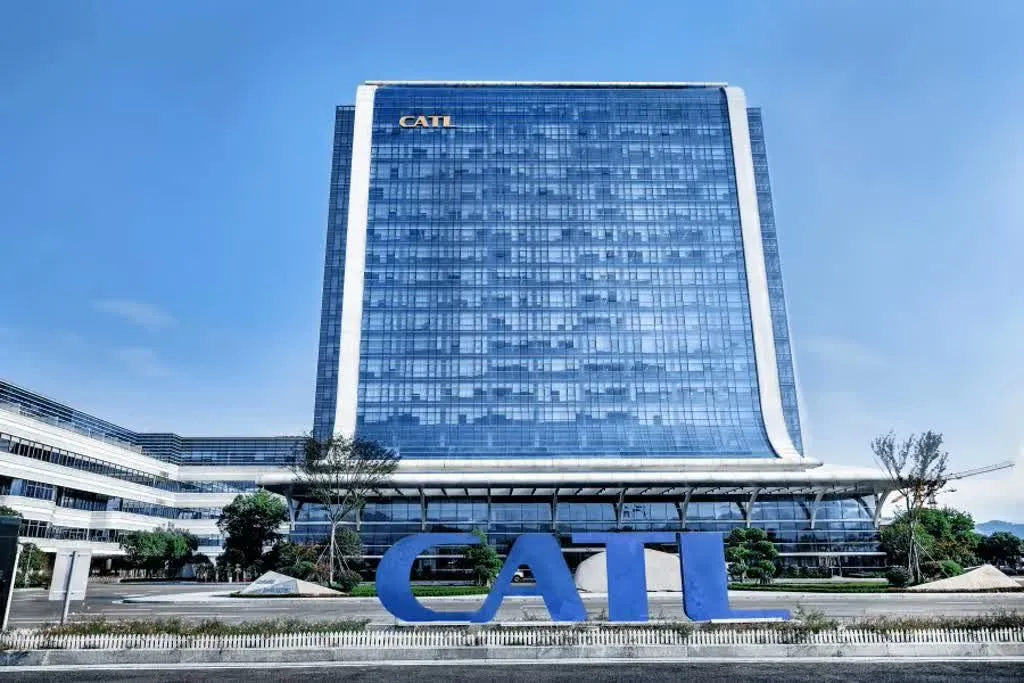
NINGDE: Leading Chinese battery manufacturers CATL and BYD have commenced mass production of a new sodium-ion battery technology derived from common salt. The breakthrough development aims to decouple electric vehicle production from the volatile supply chains of lithium, cobalt, and nickel.
The new battery chemistry utilizes sodium, an element far more abundant and less expensive than lithium. Industry reports indicate that these sodium-based units could be up to 50 percent cheaper to produce than current lithium-ion counterparts. This cost reduction is expected to significantly lower the entry price for mass-market electric vehicles.
Despite the shift away from premium metals, the initial production models are projected to offer a driving range of approximately 500 kilometers on a single charge. Engineers have also reported exceptional durability metrics, claiming a potential lifespan of up to 5.8 million kilometers. This longevity suggests that the batteries could outlast the structural chassis of many consumer vehicles, potentially transforming the secondary market for used electric cars.
The move by CATL and BYD represents a strategic shift in the global energy landscape. By leveraging sodium extracted from salt, Chinese manufacturers are positioning themselves to mitigate the geopolitical risks associated with lithium mining. While lithium-ion batteries will likely remain the standard for high-performance, long-range luxury vehicles, sodium-ion technology is expected to dominate the budget and urban commuter segments.
Analysts suggest that as production scales, the integration of these batteries could accelerate the global transition to electric mobility by making EVs economically competitive with internal combustion engine vehicles. Further details regarding specific vehicle integrations from BYD and CATL's supply partners are expected in the coming quarters.