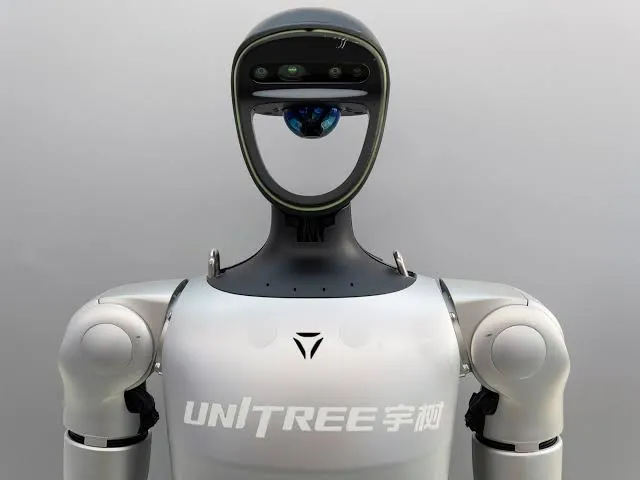
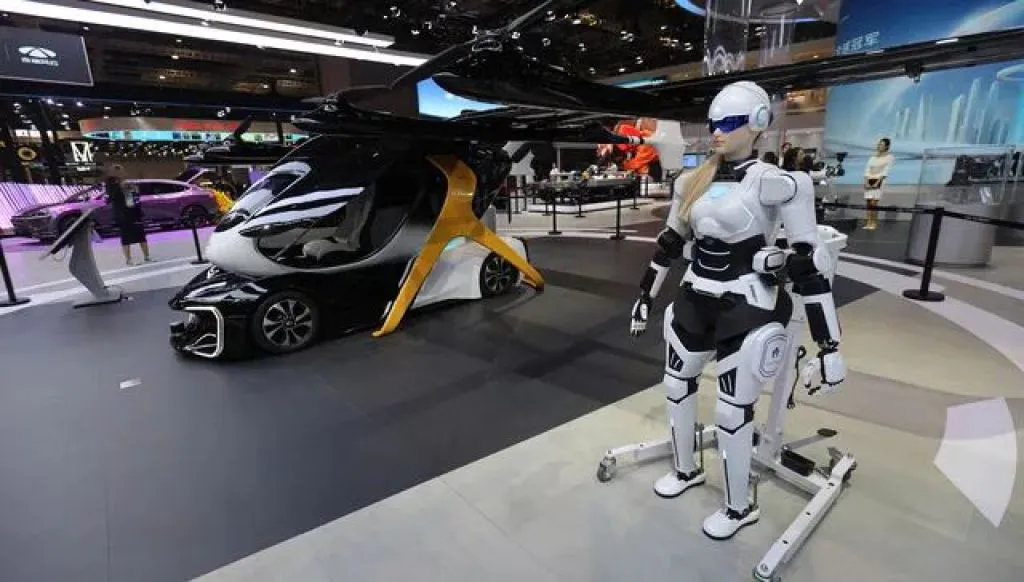
WUHU: Chery Automobile has officially entered the humanoid robotics market, announcing the launch of a commercial humanoid robot priced at less than 300,000 yuan (approximately $41,500). The move signals an aggressive expansion by the Chinese automaker into artificial intelligence and advanced motion control technologies.
The new robotic unit is designed to integrate into various industrial and service-oriented workflows. According to industry reports, the robot leverages Chery’s existing expertise in automotive electronic control systems and sensor integration to achieve high levels of mobility and environmental perception. The pricing strategy appears aimed at rapid market penetration, positioning the device as a competitive option against both high-end research models and lower-quality industrial automation tools.
Technical Integration and Market Positioning
While specific technical specifications regarding its onboard processing power have not been fully disclosed, industry analysts suggest the robot utilizes a sophisticated suite of vision sensors and tactile feedback mechanisms. This hardware is intended to allow the unit to perform complex tasks in human-centric environments, ranging from warehouse logistics to basic collaborative manufacturing roles. By leveraging the supply chain efficiencies established through its automotive production, Chery aims to lower the barrier to entry for businesses looking to adopt humanoid automation.
The decision to pivot toward robotics reflects a broader trend among Chinese technology firms seeking to diversify revenue streams through high-growth AI sectors. As global competition in the humanoid robot space intensifies, Chery’s entry underscores the integration of traditional manufacturing capabilities with next-generation intelligent systems. The company's ability to scale production at this price point may disrupt current market valuations for robotic hardware. Further details regarding specific enterprise partnerships and deployment schedules are expected to follow as the product enters its initial commercial phase.