China's dominance in optical modules makes foreign AI data center expansion critically dependent on Beijing's specialized supply chain, controlling vital components for modern computing.
The global push toward Artificial Intelligence and massive data centers hinges on high-speed interconnectivity, a field where Chinese manufacturers have established near-monopolistic control over crucial hardware. These optical modules are not merely connection points; they are the fundamental infrastructure enabling the transfer of petabytes of data required to train large language models and power advanced AI applications.
The rapid scaling of AI infrastructure demands unprecedented bandwidth, pushing network requirements into increasingly demanding terabit speeds. Optical transceivers—the components that convert electrical signals into optical signals for transmission over fiber—are at the heart of this bottleneck. According to industry analysis, China currently dominates the manufacturing capacity and market share for many specialized optical modules, including those used in high-density computing environments.
The Critical Role of Optical Modules
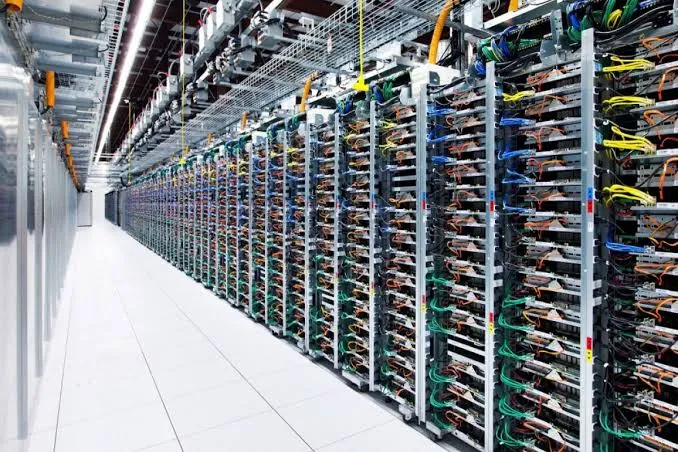
These sophisticated components are essential for modern data center architectures. As AI models grow exponentially larger, the amount of data processing required increases proportionally. A single advanced AI cluster can generate massive amounts of traffic that must travel across interconnected racks and buildings using specialized fiber optic links.
The market relies heavily on specific Chinese-made transceivers and modules because they provide the necessary combination of performance, scale, and cost efficiency for building hyperscale data centers. This concentration of manufacturing capability means that any disruption in China’s supply chain poses an immediate and severe threat to global AI development timelines.
International technology firms, which are the primary consumers of these components, must navigate this geopolitical reality. Their reliance extends beyond simple purchasing power; it involves complex intellectual property dependencies related to the specialized manufacturing processes used to create reliable, high-speed optical links.
Global Supply Chain Vulnerabilities
The strategic significance of China's role is becoming increasingly apparent among global technology leaders and governments. Unlike general semiconductors or CPUs, the niche nature of advanced optical modules means that replacement suppliers capable of matching performance at scale are limited.
This dependency creates a significant vulnerability. If trade tensions escalate or if production faces unexpected hurdles—be they logistical, regulatory, or geopolitical—the ability for Western companies to rapidly build out next-generation AI infrastructure could be curtailed. The materials and manufacturing expertise required to sustain the high output demanded by global AI consumption are largely centralized within Chinese industrial hubs.
Experts warn that attempts to bypass this concentration risk developing suboptimal or less efficient alternatives, potentially slowing the pace of AI innovation globally. For data centers seeking uninterrupted uptime and maximum throughput, sourcing from established, reliable supply chains remains paramount.
Ultimately, the trajectory of advanced computing—from training foundational models to deploying real-world AI applications—is intrinsically linked to the steady output of specialized hardware originating in China's mature electronics manufacturing sector. Companies must therefore integrate geopolitical risk analysis directly into their core supply chain planning for any major AI initiative.