🎙 Listen to a summary of this story
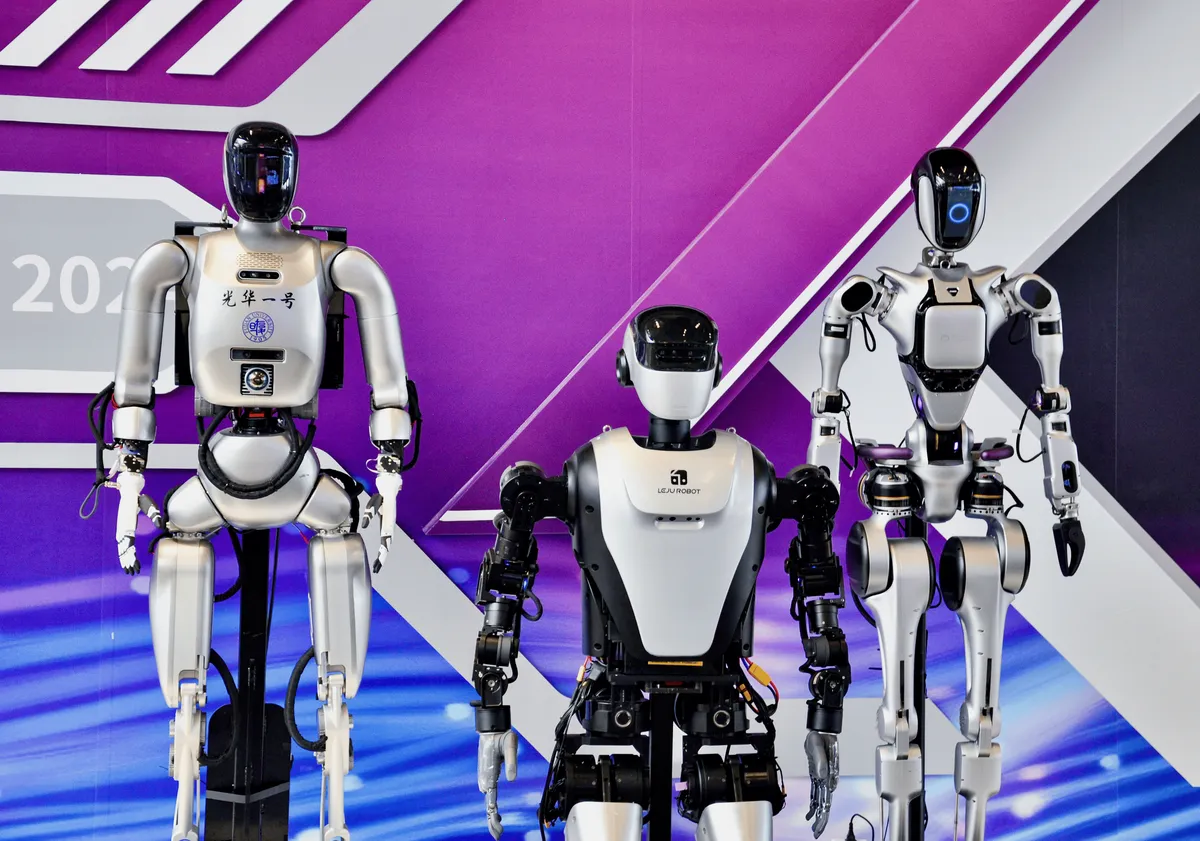
Chinese manufacturers accounted for an overwhelming 97% of global humanoid robot shipments during the first half of the year, establishing unprecedented market dominance in industrial automation.
Industry analysis confirms that China has secured near-total control over the initial deployment and manufacturing supply chain for advanced humanoid robotics. The data indicates a rapid acceleration in domestic production capabilities, signaling a major shift in the global automated labor landscape. This concentration of shipments places significant strategic weight on Chinese technological leadership within key sectors like manufacturing and logistics.
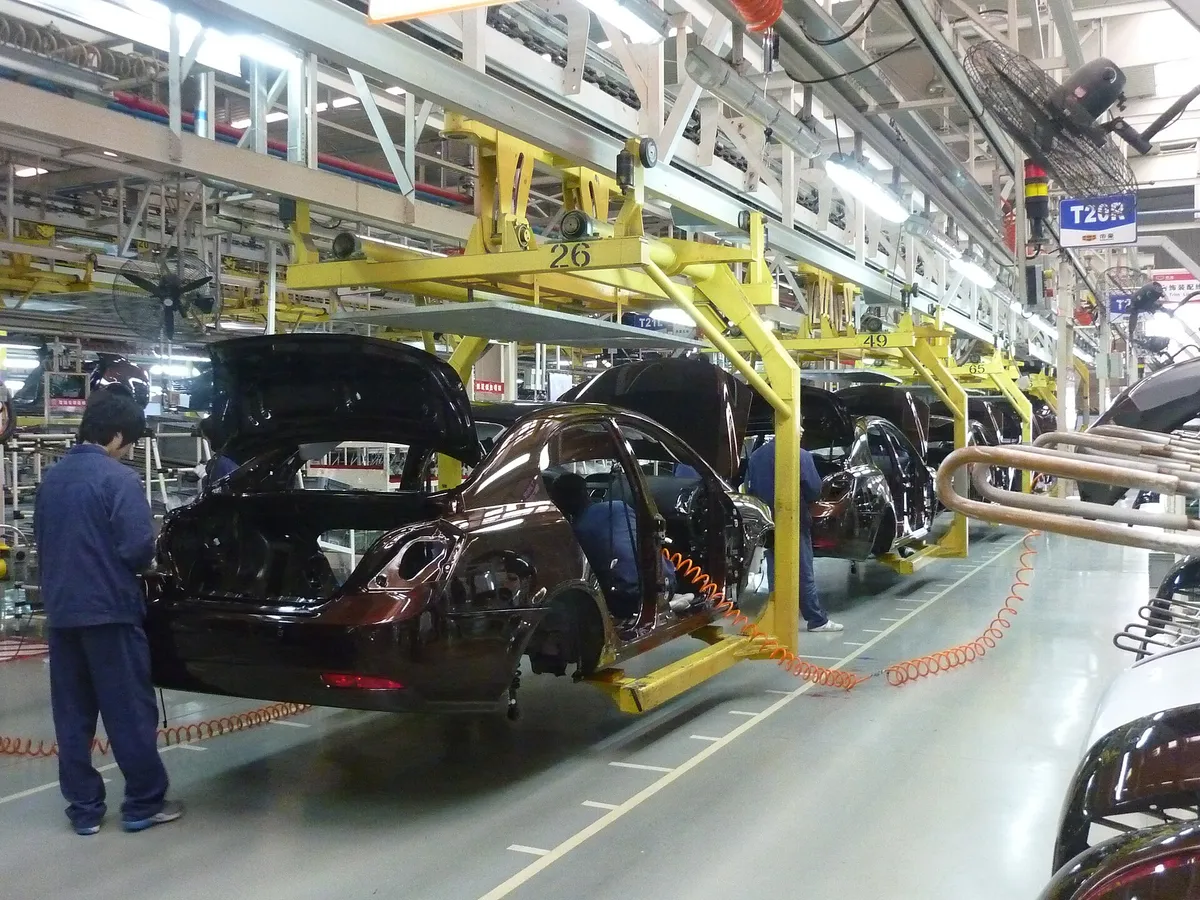
The dramatic market share acquisition is not merely indicative of volume but points to deep integration between state-backed industrial policy and private tech development. These robots are being deployed across diverse operational environments, moving beyond mere proof-of-concept demonstrations into sustained commercial use in high-stakes industrial settings.
Global Market Concentration and Industrial Strategy
The market data reveals that the primary drivers of this unprecedented shipment volume stem from China's aggressive push toward achieving technological self-reliance. Humanoid robots are viewed by state planners as critical components for restructuring traditional labor markets, particularly in sectors facing acute demographic challenges or requiring precision assembly.
Companies within the Chinese technology ecosystem have successfully scaled production to meet industrial demand, focusing heavily on modularity and adaptability. These systems are designed not only for repetitive tasks but also for complex interaction with existing infrastructure, a necessity often overlooked by previous generations of robotic designs.
International competitors face significant hurdles due to the scale and speed of Chinese deployment. The strategic significance lies in how quickly local manufacturing capacity can be brought online and integrated into diverse supply chains, creating a substantial barrier to entry for foreign entities attempting to penetrate this specialized market segment.
Analysts suggest that the current dominance reflects years of targeted investment in foundational AI research and advanced material science. This confluence of deep R&D funding and governmental policy has allowed Chinese firms to rapidly transition from research prototypes to mass-market, operational industrial tools.
Implications for Global Supply Chains and Future Competition
The near-total market control over humanoid robotics suggests that future global standards for automation will be heavily influenced by Chinese technological specifications. This concentration raises questions regarding international interoperability and the potential fragmentation of global robotic standards.
For multinational corporations, the findings necessitate a critical reassessment of their supply chain risk models. Relying on or integrating with these systems requires understanding China's evolving regulatory framework surrounding data utilization and operational deployment protocols.
The trajectory suggests that humanoid robots will move rapidly from specialized, high-capital industrial applications into broader service sectors, including elder care, advanced logistics sorting, and hospitality services. This expansion promises to redefine the economic value of human labor in increasingly automated workplaces worldwide.
Ultimately, the 97% market share marks a definitive inflection point for global manufacturing automation. It solidifies China's position not just as a consumer of technology, but as the preeminent architect and supplier of next-generation industrial robotic systems, reshaping global economic power dynamics in the process.