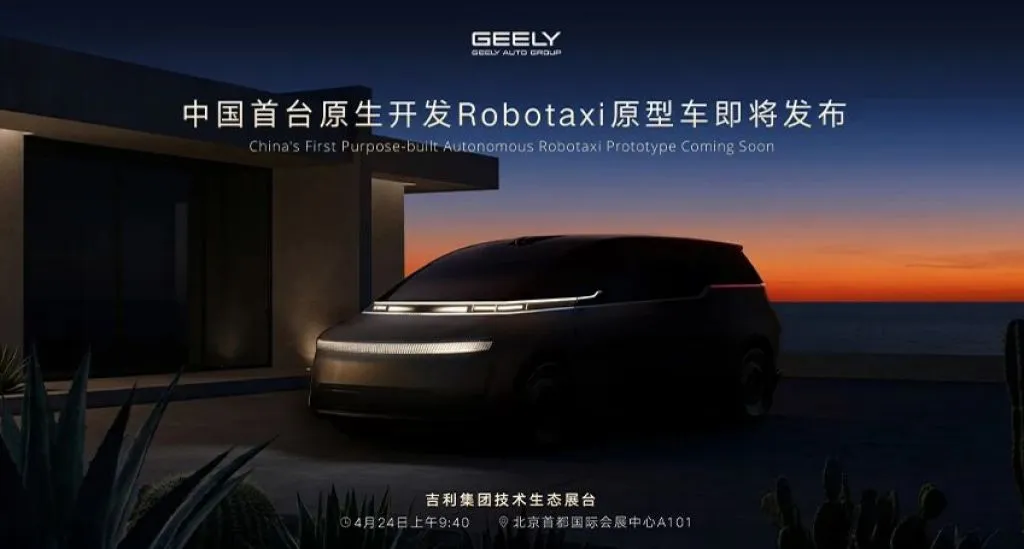
HANGZHOU: China is preparing to debut its first purpose-built autonomous robotaxi prototype, marking a significant shift in the development of self-driving passenger vehicles. Unlike current autonomous ride-hailing services that rely on modified consumer vehicles equipped with bulky external sensors, this new model is designed from the ground up specifically for driverless operations.
The upcoming prototype represents an evolution in urban mobility technology, prioritizing integrated hardware and streamlined vehicle architecture. By eliminating the need for retrofitted sensors, the design aims to optimize interior space for passengers while improving the efficiency of the onboard computing systems. Industry analysts suggest that purpose-built vehicles may offer higher reliability and lower long-term operational costs compared to modified existing models.
According to recent industry announcements, the development follows a period of rapid expansion in China's autonomous driving sector. The transition toward purpose-built platforms indicates that the technology is moving from experimental pilot programs into a more standardized phase of commercial production. These vehicles are expected to feature advanced sensor suites embedded directly into the vehicle's bodywork, providing 360-degree situational awareness without compromising aerodynamics or aesthetic design.
The introduction of a dedicated robotaxi platform arrives as major Chinese tech firms and automotive manufacturers compete for dominance in the global smart mobility market. While regulatory frameworks regarding fully driverless commercial services continue to evolve, the deployment of specialized hardware suggests that developers are preparing for large-scale urban integration. The prototype is expected to undergo rigorous testing phases before any widespread commercial rollout is permitted within major metropolitan areas.