🎙 Listen to a summary of this story
China's National Railway Administration has mandated ambitious goals under its 15th Five-Year Railway Technology Plan, targeting the deployment of CR450 services at speeds reaching 400 km/h by 2030.
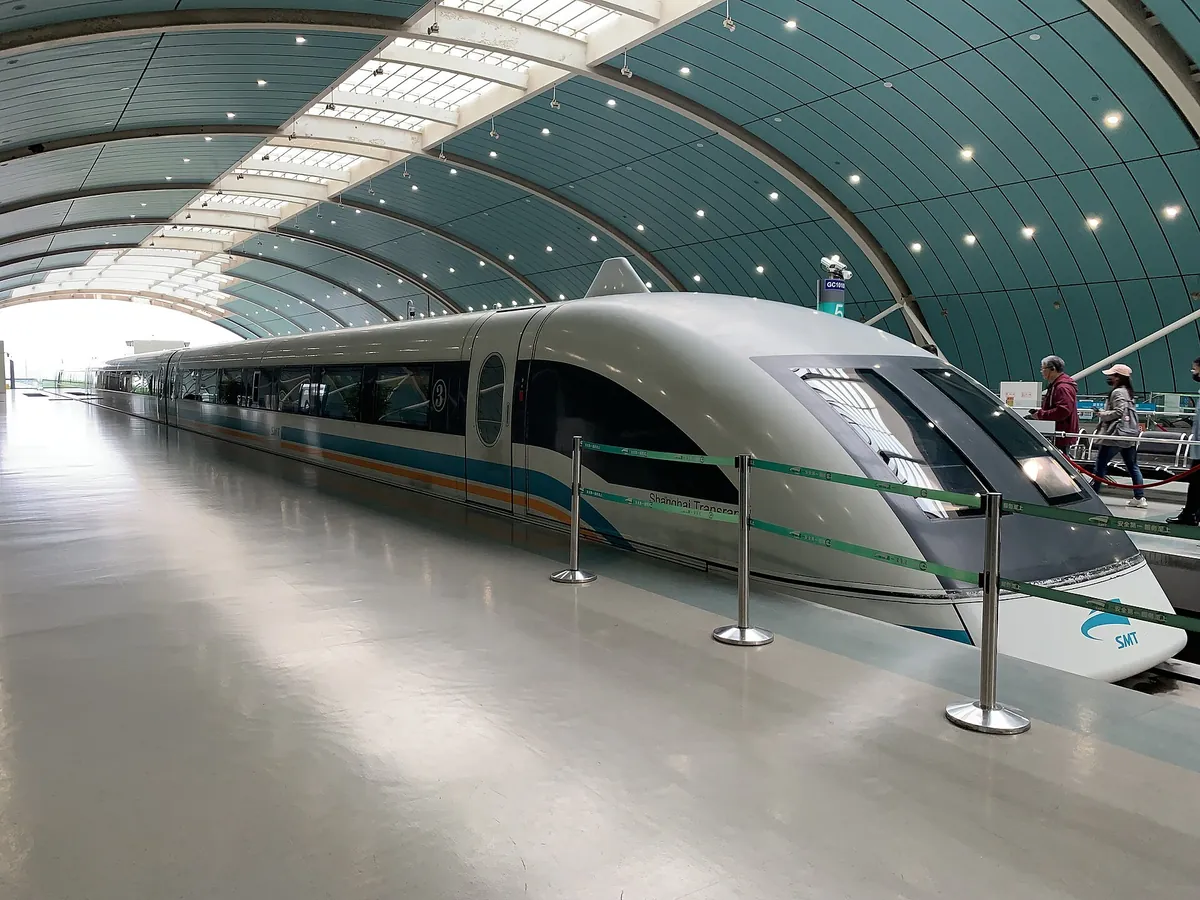
The plan further commits significant resources to advanced high-speed rail development, specifically setting a benchmark to initiate testing for 600 km/h Maglev technology within the specified timeframe. This strategic directive signals an aggressive national push to cement China's dominance in global railway innovation and infrastructure deployment.
These targets are not merely incremental upgrades; they represent a systemic commitment to pushing operational boundaries in passenger rail, effectively repositioning China as a primary leader in high-speed transit engineering on the world stage.
Technical Specifications and Implementation Milestones
The focus on the CR450 series highlights continued refinement of existing high-speed rolling stock capabilities. Achieving sustained 400 km/h operations requires substantial advancements across multiple domains, including traction system efficiency, aerodynamic stability at ultra-high velocities, and advanced braking methodologies.
Beyond conventional rail speed enhancements, the inclusion of Maglev testing objectives underscores a dual strategy: optimizing established electromagnetic levitation (Maglev) technology while simultaneously maximizing the performance envelope of traditional steel-wheel systems. This diversified approach mitigates technological risk while aggressively pursuing peak velocity records.
The development framework outlined in the plan integrates sophisticated hardware upgrades with corresponding software intelligence. Control systems must be capable of managing the complex dynamics inherent in operating at these extreme speeds, demanding real-time data processing and predictive maintenance capabilities built into the rail infrastructure itself.
Geopolitical and Market Ramifications
The successful execution of this 2030 roadmap carries profound geopolitical weight. As China exports its railway technology and construction expertise globally, demonstrable success in achieving world-leading speeds provides an unparalleled competitive advantage over international rivals.
Market implications are equally significant; these advanced technologies drive demand for specialized supply chains—from high-strength composite materials to precision power electronics. Domestic manufacturers benefit from guaranteed large-scale state procurement tied to the plan's ambitious milestones, fostering industrial self-sufficiency.
Ultimately, this railway technology agenda functions as a strategic pillar of China's broader national modernization effort. By mastering ultra-high-speed transport, Beijing reinforces its narrative of technological ascendancy, influencing global standards for future transportation networks worldwide.