🎙 Listen to a summary of this story
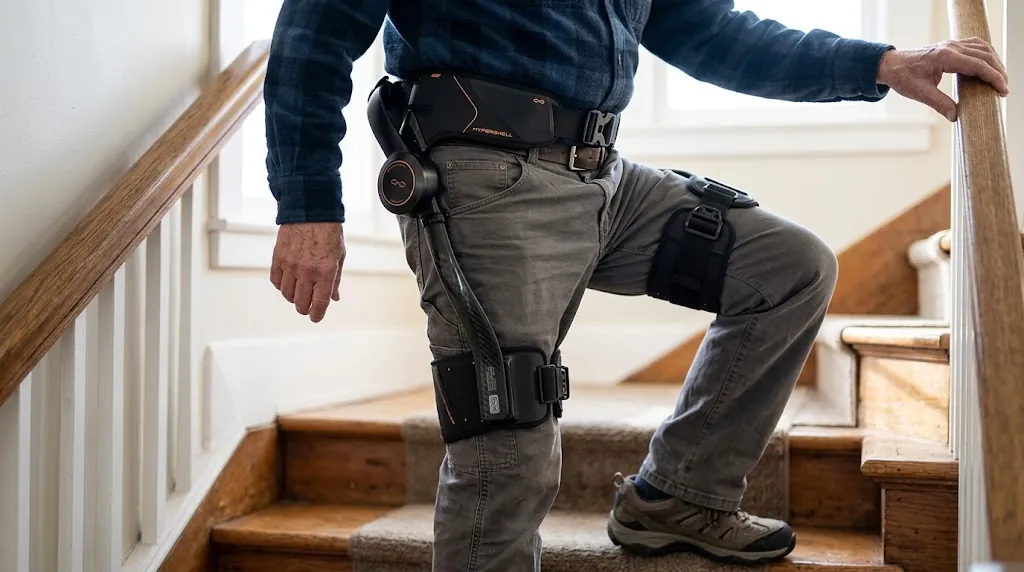
Skyworth is developing an exoskeleton designed to assist the elderly with walking, signaling a significant domestic push into assistive robotics for aging populations. The device remains in active testing phases, but its development reflects a growing convergence between advanced manufacturing prowess and critical healthcare needs within China.
This initiative addresses the rapidly escalating challenges posed by demographic shifts in China, where an aging populace places immense strain on public health infrastructure. By engineering wearable robotics for mobility support, Skyworth is positioning itself to tap into a multi-billion dollar global market segment focused on enhancing geriatric independence and reducing caregiver burden.
The development moves beyond simple prosthetics, aiming instead at providing dynamic gait assistance necessary for sustained ambulation in older adults who may suffer from conditions like osteoarthritis or general mobility decline. The successful maturation of this prototype holds implications not just for Skyworth’s corporate roadmap but for the broader application of AI-driven hardware in elder care.
Technical Scope and Design Parameters
While specific, finalized performance metrics are pending rigorous field trials, reports indicate the exoskeleton incorporates sophisticated sensing and actuation systems. The technology focuses on providing powered assistance to the user's lower limbs, requiring precise real-time feedback loops between sensors and motors to maintain stability during walking.
The integration of these mechanical components with control software is a key differentiator. This system must interpret the wearer's intent—whether they are initiating movement, navigating uneven terrain, or needing momentary support—and react instantaneously through calibrated torque delivery. The design philosophy appears weighted toward user comfort and lightweight construction to minimize fatigue during extended use.
From a hardware perspective, Skyworth leverages its background in display and panel manufacturing, adapting high-precision component integration skills to the biomechanical demands of robotics. This suggests an industrial application rooted in robust, scalable production rather than purely laboratory experimentation.
Market Implications and Sectoral Trajectory
The pursuit of this elderly walking exoskeleton places Skyworth directly within China's strategic focus on high-end domestic technological self-sufficiency. As geopolitical tensions influence the availability of specialized foreign robotics components, developing such solutions internally becomes a matter of national industrial strategy.
If successful in clinical trials and subsequent commercialization, this product could rapidly scale into both private consumer markets and public healthcare procurement channels. This trajectory aligns perfectly with government incentives aimed at promoting "smart aging" solutions across urban centers.
The broader impact extends to the robotics ecosystem. The refinement of gait-assistance technology here sets a benchmark for other domestic players in rehabilitation engineering, potentially catalyzing investment into related fields such as smart home monitoring and personalized physical therapy hardware.