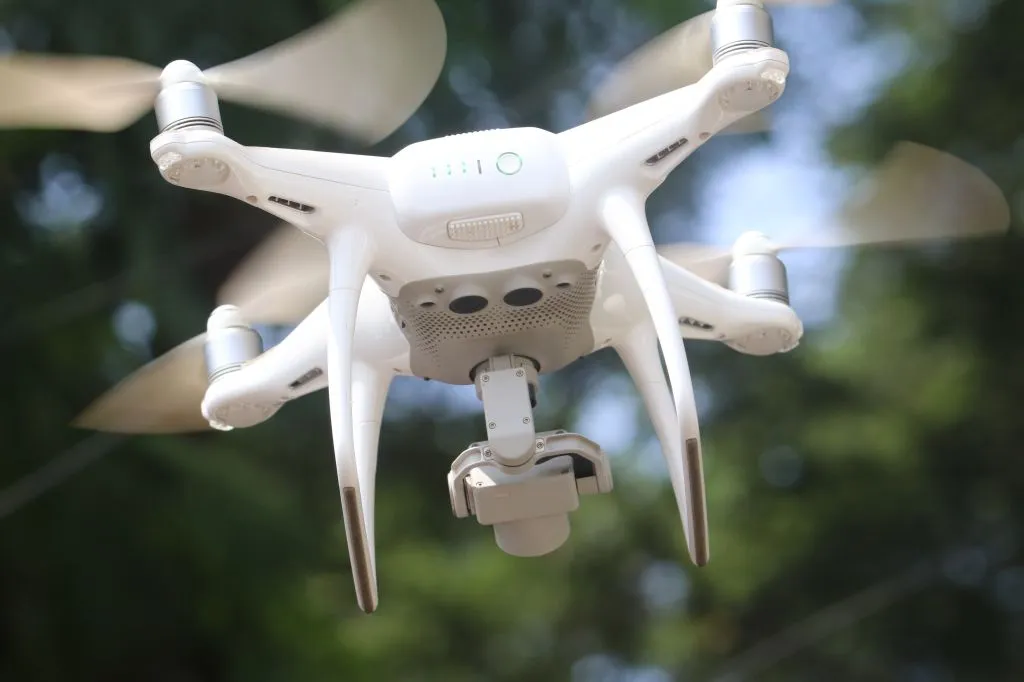
BEIJING: The Chinese government has implemented a series of sweeping new regulations targeting the civilian drone sector, a move that marks a significant shift in the country’s approach to low-altitude airspace management. The crackdown, which includes mandatory registration requirements and heightened restrictions on sales in certain zones, is expected to disrupt the global market dominated by domestic giant DJI.
The new policy mandates that almost all civilian drone operators, including hobbyists and professional photographers, must register their devices with national authorities. This move follows years of growing concerns regarding national security, privacy, and the potential for unmanned aerial vehicles to be used for unauthorized surveillance or interference in sensitive areas. The era of unregulated flight in China appears to be coming to an end.
New Registration Mandates Tighten Control
Under the updated regulatory framework, Chinese aviation authorities have expanded the list of drones requiring mandatory identification. Previously, many lightweight, consumer-grade models were exempt from the most rigorous oversight. Now, even small recreational devices must be documented in a centralized national database. This system is designed to provide real-time tracking capabilities, allowing security forces to monitor flight paths and identify operators who enter restricted zones.
The implementation of these rules has created significant friction for consumers and enthusiasts. In major metropolitan areas, including Beijing, the enforcement of "no-fly zones" has become increasingly strict. Consumers are already grappling with localized sales bans and a complex, multi-layered registration process that has slowed the hobbyist market. For many, the once-seamless experience of operating a drone has been replaced by a heavy layer of bureaucracy and the constant risk of legal penalties.
Industry analysts suggest that the government's primary objective is to consolidate control over what officials call the "low-altitude economy." While the state seeks to foster technological growth, it is simultaneously prioritizing the ability to monitor the skies with absolute precision. "The government is seeking to balance technological advancement with absolute control over the airspace," noted one industry observer.
Industry Implications and Global Market Shifts
The most significant impact is expected to fall on DJI, the world's largest drone manufacturer. As the dominant force in the global consumer market, any shift in Chinese domestic policy has immediate international repercussions. The company now faces a landscape where domestic sales may be hampered by stricter oversight and changing consumer sentiment regarding the ease of use and legality of their products.
The implications for the broader tech sector are profound, as the company must navigate a domestic environment that is becoming increasingly restrictive. While DJI has long been a symbol of Chinese technological prowess, the new regulations suggest that the state is prioritizing national security over the rapid, unregulated expansion of the consumer drone industry.
Furthermore, the international community is monitoring these developments closely. As China tightens its grip on drone technology domestically, there are growing concerns that these regulations could influence future export policies and international trade relations. The shift from a high-growth frontier to a highly regulated environment poses a significant challenge for manufacturers attempting to maintain momentum in both domestic and global markets.