
Xiamen moves to secure AI-era trade
China has launched a national artificial intelligence supply chain base in the southeastern port city of Xiamen, underscoring how governments and companies are racing to secure the physical networks behind the AI boom.
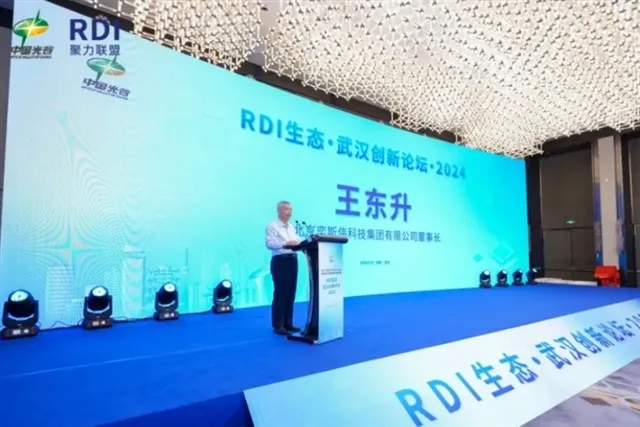
The National AI Application Pilot Verification Base held what organizers described as its first construction milestone conference Sunday, unveiling 22 AI projects and two specialized laboratories focused on international logistics resilience and safety, according to ChinaTechNews. The base is backed by three Xiamen-based state conglomerates — ITG Holding Group, Xiamen C&D Group and Xiamen Xiangyu Group — all Fortune Global 500 companies with deep ties to commodities trading, shipping and industrial procurement.
The announcement places logistics alongside chips, data centers and energy as a strategic layer in the AI economy. The Xiamen platform includes industrial data sets, infrastructure tools, vertical large language models and field deployments. One of its main products, the L1 Smart Chain vertical model, is intended to automate routing, documentation and other calculations for international shipping channels.
Organizers said the base has compiled more than 300 terabytes of standardized supply chain records and introduced an automated cybersecurity platform for continuous testing of logistics networks. The goal is to shift from reacting to disruptions toward predicting them, a priority sharpened by pandemic-era bottlenecks, Red Sea shipping attacks, trade restrictions and rising cyber threats against ports and freight systems.
AI’s supply chain problem widens
The Xiamen project reflects a broader reality: AI is not just software. It depends on long, fragile supply chains for advanced semiconductors, cloud computing, data centers, power equipment, cooling systems, networking gear, rare earths and the ports and warehouses that move those goods. The OECD has warned that AI infrastructure is highly capital intensive and reliant on complex global chains, especially for chips and compute capacity.
Those chains are increasingly shaped by geopolitics. The United States has tightened controls on advanced chips and chipmaking tools bound for China, while Beijing has used critical minerals and rare earth export rules as leverage. The result is a more fragmented AI market in which companies plan around sanctions, licensing delays and uncertainty over access to the hardware needed to train and run large models.
At the same time, AI is being deployed inside the supply chains that sustain it. Consultants and logistics firms say agentic AI systems can monitor supplier failures, reroute shipments, revise inventory plans and compare tradeoffs faster than human teams. But those systems depend on clean data, trusted partners and cybersecure platforms — precisely the areas Xiamen’s pilot base says it is targeting.
For China, the project also fits a national push to reduce exposure to foreign bottlenecks while exporting its own standards for digital trade. Xiamen’s role as a port, free trade zone and software hub gives it a practical test bed: goods, data and customs processes already move through the city at scale.
Still, questions remain about transparency, interoperability and trust. Multinational shippers may welcome tools that make routes more resilient, but they also must weigh data security, political risk and regulatory scrutiny. As AI becomes embedded in logistics, the struggle over supply chains is moving beyond who makes the chips to who controls the information that keeps global commerce moving.