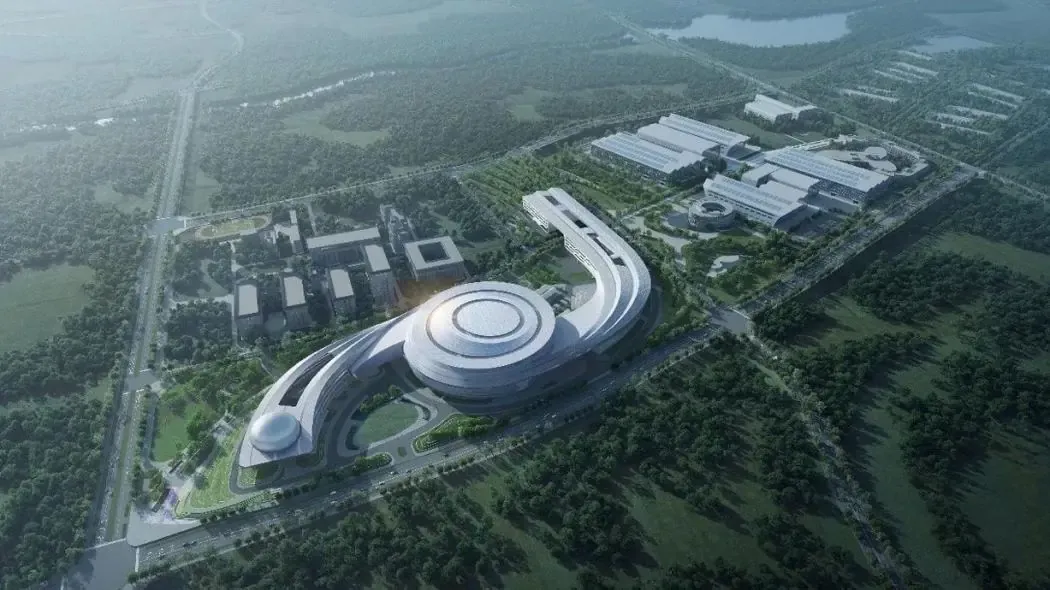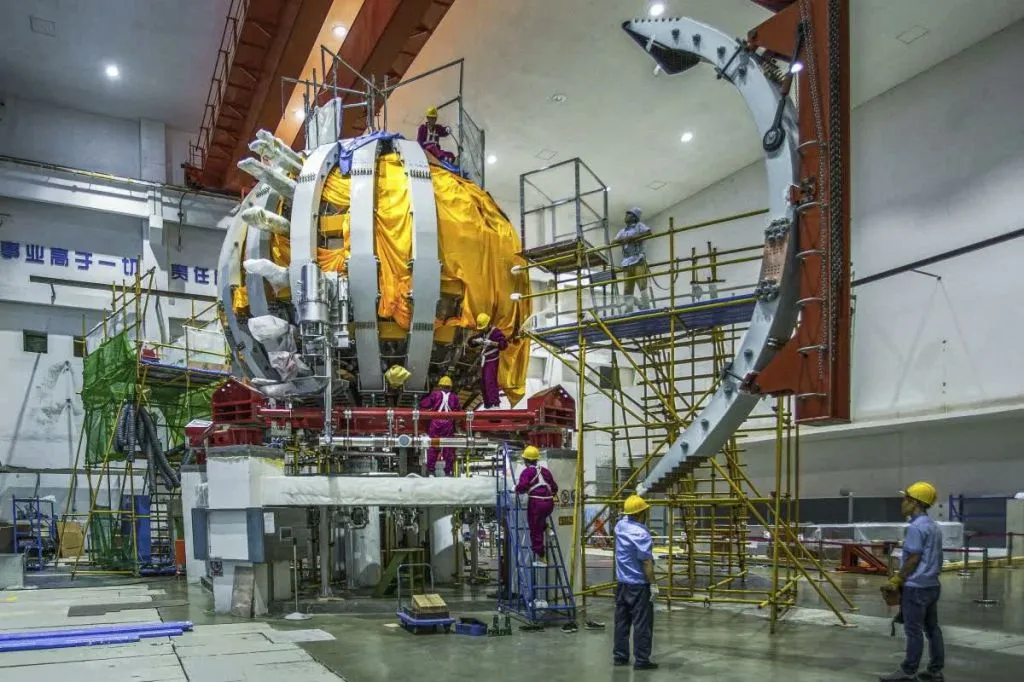
China has accelerated its nuclear fusion timeline, targeting the first power generation from its "Artificial Sun" project by 2030.
Fusion Power Advancement
The stated goal represents a significant acceleration in China's domestic efforts to harness clean, virtually limitless energy through controlled nuclear fusion. The nation’s commitment positions it as a major global player in the highly competitive field of fusion energy research and development.
This timeline builds upon years of intensive national investment and technological refinement within China’s scientific infrastructure. Achieving net positive energy gain from a sustained fusion reaction remains one of humanity's most complex engineering challenges, requiring precise control over plasma at extreme temperatures.
The project leverages advanced confinement techniques designed to mimic the conditions found in the sun itself. While specific reactor designs remain proprietary details within Chinese scientific circles, the ambitious 2030 target implies substantial breakthroughs in magnetic confinement or inertial confinement systems.
Experts outside of China view this aggressive schedule with cautious optimism, recognizing both the immense potential and the inherent technical hurdles associated with scaling laboratory successes to commercial power production. Successful deployment would fundamentally alter global energy security paradigms, drastically reducing reliance on fossil fuels.
The strategic importance of this development cannot be overstated; it aligns directly with China's broader national goals for technological self-sufficiency and carbon neutrality targets. Energy independence through indigenous high-technology is a core pillar of its long-term industrial strategy.
Technical Scope and Global Implications
The concept behind the "Artificial Sun" involves creating and sustaining extremely hot, dense plasma—ionized gas—and forcing it to undergo nuclear fusion reactions that release vast amounts of energy. This process typically requires pressures and temperatures exceeding those found in conventional power plants.
The transition from experimental reactor operation to grid-ready power generation is a monumental engineering leap. The 2030 target suggests the Chinese research teams are confident not only in achieving fusion but also in solving critical issues related to tritium breeding, heat extraction efficiency, and long-term material durability within the reactor core.
This national push reflects a wider geopolitical trend where major economies are aggressively funding frontier technologies. China’s move places immediate pressure on international competitors, particularly in the United States and the European Union, to demonstrate comparable or superior progress toward commercial fusion viability.
The success of this initiative promises not only clean electricity generation but also substantial advancements in materials science, high-field magnet technology, and plasma physics. These secondary technological spillover effects will bolster other sectors of the Chinese economy.
If realized, the operational status of the Artificial Sun by 2030 would mark a watershed moment in sustainable energy history, shifting fusion from a theoretical possibility to an imminent commercial reality. As we covered in our story on AI Uncovering Four New Superconducting Materials, this trend continues to shape the strategic landscape.