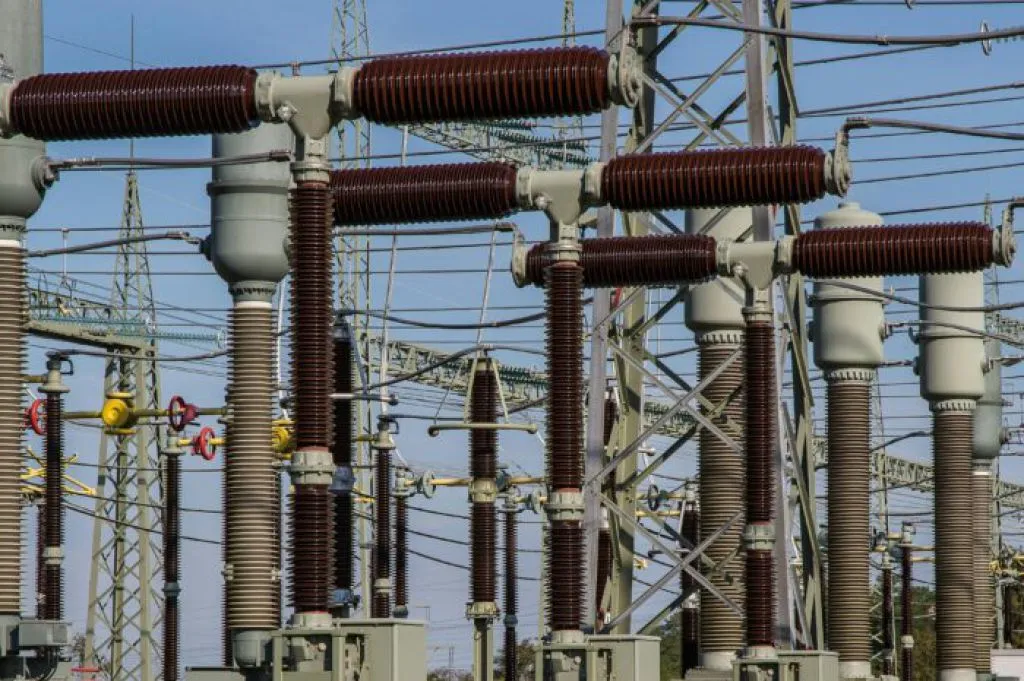
BEIJING; China has overtaken the United States in total power capacity, marking a significant shift in the global energy landscape as the nation accelerates its transition toward renewable resources. According to recent industry data, China's rapid expansion of its electrical infrastructure is outpacing Western counterparts, driven largely by massive investments in solar and wind technologies.
The surge in Chinese capacity comes at a time when the United States is facing significant hurdles in meeting the electricity demands of its growing technology sector. While the U.S. experiences a massive uptick in demand due to the rapid expansion of artificial intelligence and data centers, the American power grid is struggling with aging infrastructure and severe regulatory constraints. These bottlenecks are delaying the integration of new energy projects, creating a gap between consumption needs and available supply.
Reports indicate that the U.S. grid is currently ill-equipped to handle the concentrated power loads required by high-performance computing clusters. While the American tech industry remains a primary driver of energy consumption, the inability to quickly deploy new generation capacity and upgrade transmission lines has become a critical economic concern.
In contrast, China has implemented aggressive state-led strategies to build out both generation and transmission networks simultaneously. This integrated approach allows for the rapid deployment of renewable energy from western provinces to the industrial hubs on the eastern coast. As the global race for technological supremacy intensifies, the ability to provide stable, scalable, and massive amounts of electricity is becoming a central pillar of national competitiveness. The widening gap in power capacity suggests that China may hold a long-term advantage in supporting the next generation of energy-intensive digital industries.