Beijing Draws a Hard Line to Stop Meta
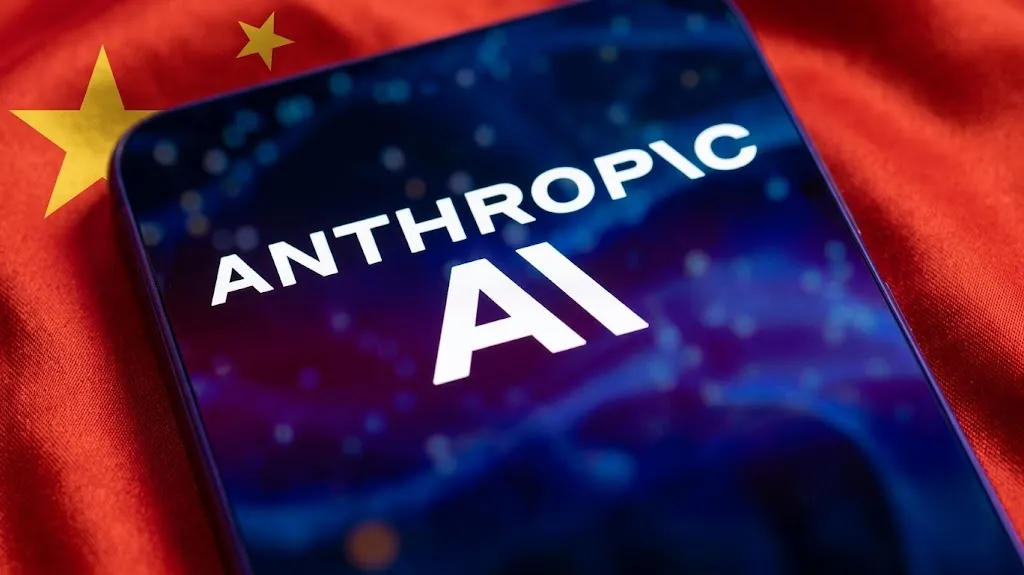
China’s decision to block Meta’s proposed $2 billion acquisition of Manus, a fast-rising domestic artificial-intelligence start-up, marks a notable escalation in the country’s approach to regulating frontier technologies. What might once have been assessed through the familiar lens of antitrust review has instead become a test case for a broader doctrine: the preservation of national control over critical digital capabilities. The National Development and Reform Commission’s intervention signals that, in Beijing’s calculus, generative AI is no longer merely a commercial sector but a strategic domain.
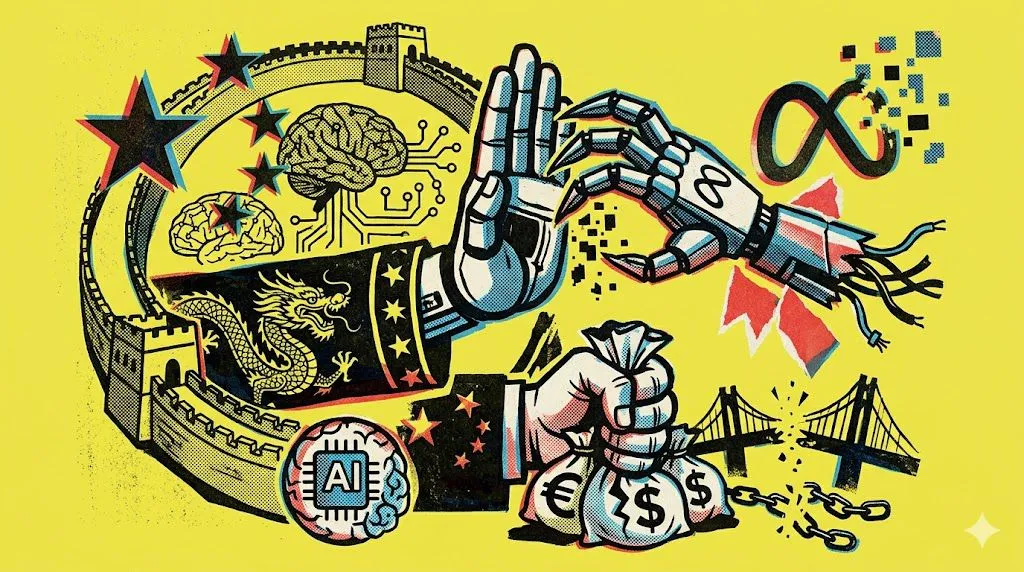
At stake is more than a single transaction. By preventing a major Western platform from acquiring a promising Chinese firm, regulators are effectively ringfencing intellectual property, talent and data ecosystems within national borders. The move reflects a growing conviction among policymakers that technological leadership—particularly in AI—cannot be left to market forces alone. Instead, it must be actively safeguarded against external consolidation.
This posture aligns with a wider “security-first” economic framework that has taken hold in recent years. Under such a model, sectors deemed essential to long-term competitiveness are treated as quasi-sovereign assets. In practice, this means that outbound transfers of knowledge, even via legitimate commercial deals, are subject to heightened scrutiny. The Manus case illustrates how quickly regulatory tools can be deployed when authorities perceive a risk of strategic leakage.
For global technology firms, the message is unambiguous. Access to China’s innovation ecosystem will come with stricter conditions, and ownership of domestic breakthroughs may increasingly be off-limits. While China remains open to capital and collaboration in many areas, generative AI appears to have joined semiconductors and advanced manufacturing on the list of sectors where national priorities trump cross-border integration.
A Fracturing Global AI Landscape
The implications extend well beyond the confines of a single deal. For investors and multinational corporations, the episode introduces a new dimension of uncertainty: exit risk shaped not by market performance but by political judgment. Even successful ventures may find their pathways to liquidity constrained if potential acquirers are deemed strategically misaligned. This complicates valuation models and could dampen enthusiasm for cross-border mergers in high-tech sectors.
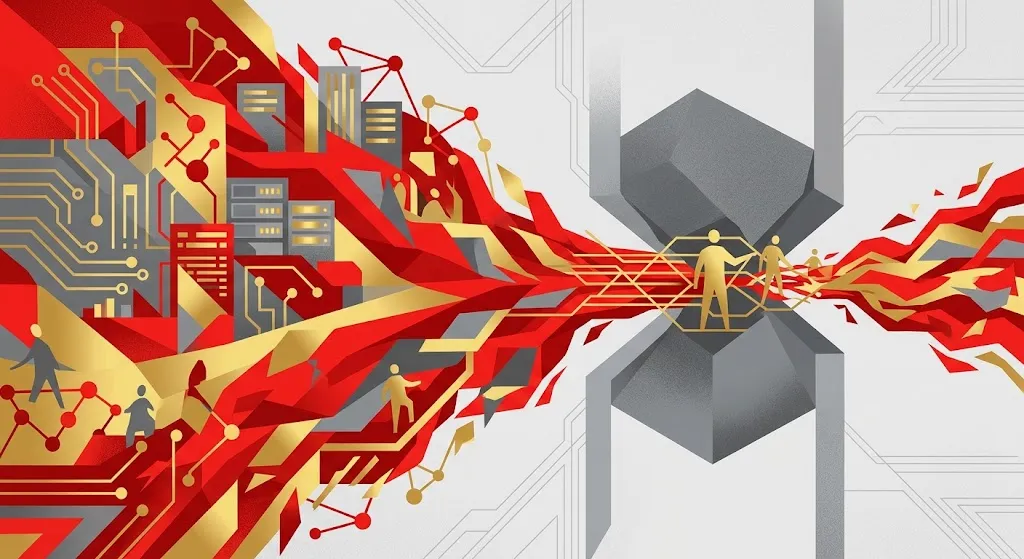
More broadly, the decision underscores an accelerating shift toward technological decoupling. As governments assert greater control over data, algorithms and talent, the once-globalized architecture of the tech industry is fragmenting into distinct spheres of influence. In such an environment, capital flows and partnerships are increasingly filtered through geopolitical considerations rather than purely economic logic.
For China, the benefits are clear: retaining cutting-edge capabilities at home strengthens its position in the global AI race. Yet there are trade-offs. Reduced openness may limit exposure to international best practices and capital, potentially slowing innovation at the margins. For Western firms, meanwhile, the barriers to acquiring or integrating Chinese technology assets are rising, prompting a reassessment of long-term strategies in the region.
The Manus decision therefore serves as both a warning and a signal. It highlights the growing willingness of states to “weaponize” regulation in pursuit of technological sovereignty, and it reinforces the emergence of a bifurcated AI ecosystem. As the boundaries between economic policy and national security continue to blur, companies and investors alike must adapt to a world in which political alignment is as গুরুত্বপূর্ণ as commercial opportunity.
For further reading, see: TechCrunch, DW, International Business Times, MSN, and Financial Times.