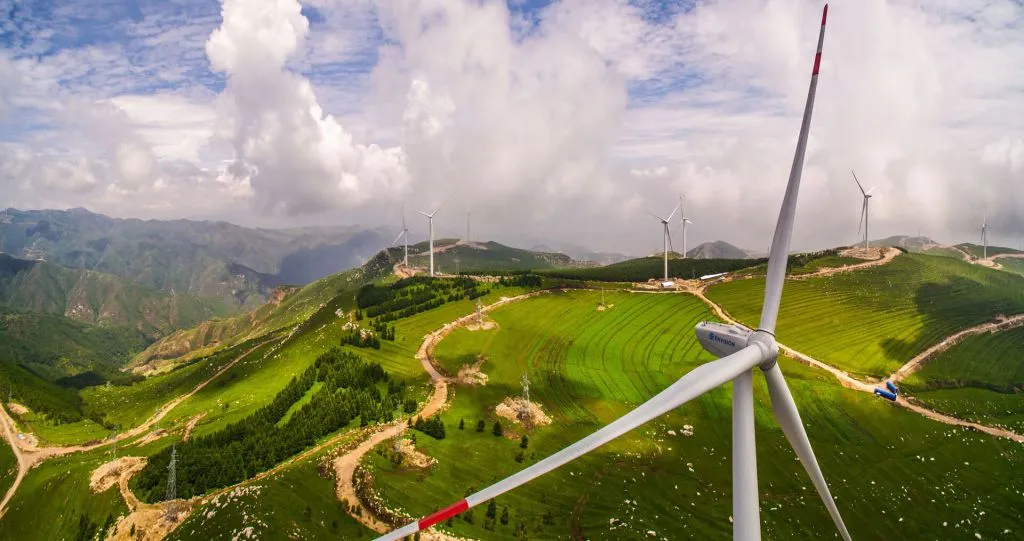
BEIJING: China’s renewable energy sector reported significant expansion in the first quarter of 2026, as the nation continues its aggressive push toward decarbonization through large-scale wind power integration. According to recent industry data, the country added 15.8 gigawatts (GW) of new grid-connected wind power capacity nationwide during the three-month period.
The surge in installed capacity reflects ongoing infrastructure investments aimed at meeting long-term carbon neutrality targets. This growth in wind energy comes as China seeks to balance its heavy industrial energy demands with a more diversified and sustainable power mix. The 15.8 GW addition underscores the increasing efficiency of domestic turbine manufacturing and the expansion of large-scale wind farms in both onshore and offshore regions.
Industry analysts note that the rapid integration of these new capacities poses unique challenges for national grid management. As intermittent energy sources like wind become a larger percentage of the total load, the demand for advanced energy storage solutions and smart grid technologies is expected to rise. The scale of the Q1 expansion suggests that provincial-level projects are moving from the planning stages to active grid contribution at an accelerated pace.
The reported figures align with broader trends observed in the Chinese renewable energy market, where wind and solar technologies have become primary drivers of new power generation. While total energy consumption continues to grow alongside economic activity, the increasing share of wind-generated electricity is essential for reducing reliance on coal-fired thermal plants.
Looking ahead, the integration of this 15.8 GW capacity will require continued coordination between regional power authorities and national grid operators to ensure stability. As more projects come online throughout the remainder of 2026, the focus is expected to shift toward long-distance ultra-high-voltage transmission lines designed to carry wind power from remote northern and coastal regions to China's high-demand industrial hubs in the south.