
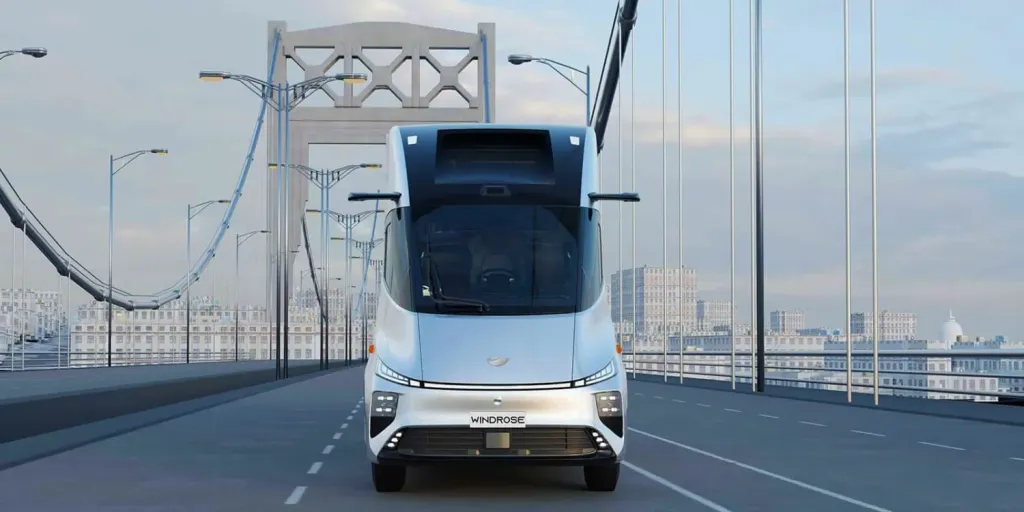
China sets target for electric heavy trucks
BEIJING — China is moving to accelerate the electrification of heavy-duty trucking, setting a goal for new-energy models to make up 40% of the market by 2030 as the country pushes one of the hardest-to-decarbonize parts of transportation toward cleaner power.
The target was included in an implementation plan released by 11 government agencies, including the Ministry of Transport, according to CnEVPost. The plan calls for China’s fleet of new-energy heavy trucks to exceed 1.6 million vehicles by the end of the decade, equal to about one-fifth of the country’s heavy-duty truck fleet.
Officials also want those trucks to carry 18% of China’s highway freight volume by 2030, a sign that the government is not only trying to increase sales but also shift real freight activity away from diesel-powered vehicles.
Heavy trucks are a central part of China’s logistics system, hauling goods across expressways, ports, mines and industrial zones. They are also major consumers of diesel fuel. Electrifying them is more complicated than converting passenger cars because freight operators must consider vehicle range, payload, charging time, route reliability and battery cost.
The government plan focuses heavily on infrastructure. China intends to build 30,000 kilometers of zero-carbon freight corridors along key sections of the national expressway network and support the deployment of about 3,000 charging and battery-swapping stations for heavy trucks. New and upgraded highway service areas will be required to build such facilities or reserve space for them.
Policy support and cost pressures drive shift
The plan gives particular attention to fixed, short-haul freight routes in major air pollution control regions, including the Beijing-Tianjin-Hebei area and the Fenwei Plain. In those areas, authorities want the electrification rate on such routes to exceed 80%, reflecting the advantage electric trucks have where vehicles travel predictable distances and can return regularly to depots or swapping stations.
Officials are also encouraging the use of new-energy trucks in logistics, mining and ports, where operators often run vehicles on repeated routes and can more easily install dedicated charging or battery-swap equipment.
Financial support will be part of the rollout. The plan calls for coordinated funding to support vehicle purchases and charging infrastructure, while encouraging local governments to use special-purpose bonds and green credit. It also promotes business models such as vehicle-battery separation and battery leasing, which could lower the upfront cost of electric trucks for fleet operators.
The push comes as electric heavy trucks have already gained ground in China. Sales of new-energy heavy trucks reached 231,100 units in 2025, up 182% from the previous year, CnEVPost reported, citing industry data. The market penetration rate was about 29% for the year, and it briefly exceeded 50% in December as buyers rushed to take advantage of subsidies before they expired.
Cost savings remain a key argument for adoption. Electric heavy trucks can be more expensive to buy, but lower energy and maintenance costs may make them cheaper to operate over time. CnEVPost cited a January report saying such trucks can save about 1.2 million yuan, or about $177,000, over a 10-year operating cycle compared with traditional fuel vehicles.
The 2030 plan shows Beijing is treating heavy trucks as a strategic front in its broader clean-transport campaign. Whether the targets are met will depend on infrastructure buildout, battery-swapping standards, fleet economics and the willingness of freight companies to change how they operate.