🎙 Listen to a summary of this story
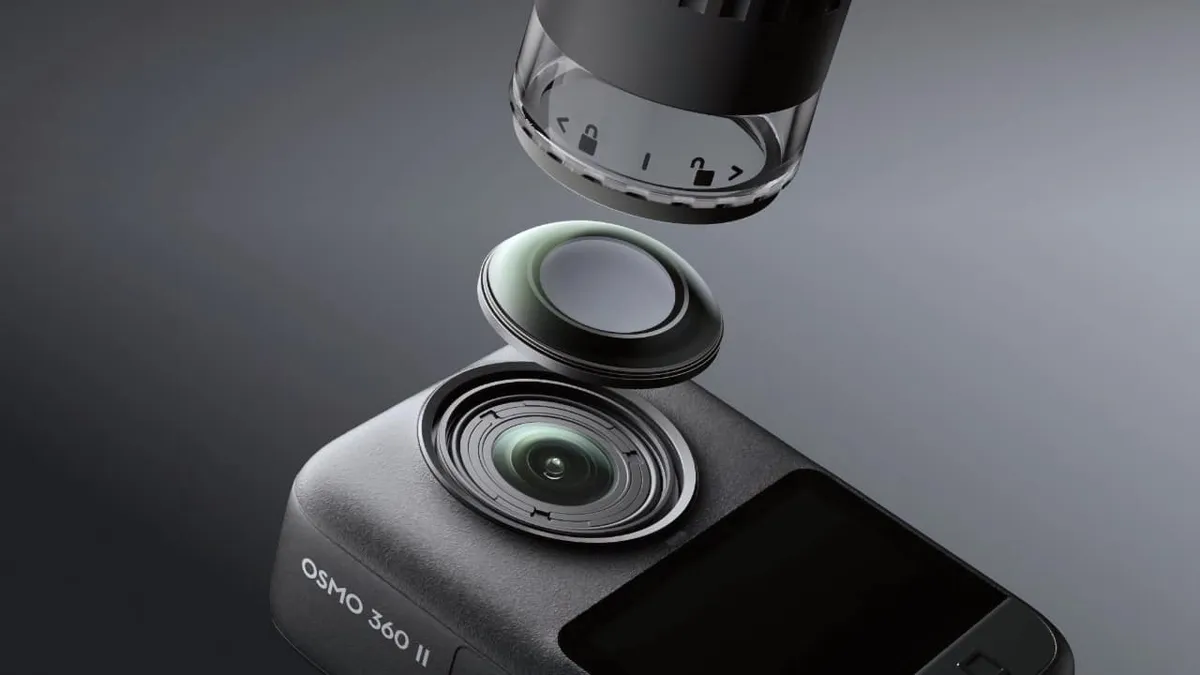
DJI has engineered a significant leap in aerial imaging, integrating native 8K/60fps video capture onto its Osmo 360 II platform utilizing a substantial 1-inch panoramic sensor.
This technological advancement positions the Osmo 360 II as a potent contender in the high-end cinematography drone market, directly addressing the demand for ultra-high resolution and smooth frame rates in immersive aerial capture.
The inclusion of a 1-inch sensor is critical to image quality, allowing for superior light gathering capabilities compared to smaller sensors typically found in consumer panoramic drones. This larger physical size facilitates better dynamic range and cleaner high-ISO performance, essential features for professional videographers operating in varied lighting conditions.
The ability to record at 8K resolution while maintaining a 60 frames per second cadence represents a demanding technical feat, especially when married to the inherent complexities of panoramic image stitching. This capability ensures that users can capture extremely detailed footage with enough temporal data to allow for high-quality slow-motion playback or intensive post-production reframing.
The Osmo 360 II leverages this advanced sensor suite not merely for static panorama shots, but for dynamic cinematic sequences where the wide field of view is crucial. The integration suggests a focus on making professional-grade, high-fidelity aerial storytelling accessible to a broader range of creators who require both extreme breadth and exceptional visual fidelity.
Sensor Technology and Performance Metrics
The core innovation resides in pairing native 8K/60fps output with a dedicated 1-inch panoramic sensor architecture. This combination moves beyond simple resolution increases; it signifies a comprehensive overhaul of DJI's image pipeline for the Osmo series.
A 1-inch sensor provides significantly more surface area than many competitors utilize, which directly correlates to better low-light performance and the ability to capture finer details across the entire frame. For cinematic applications where subtle gradations in shadow and highlight are paramount, this physical advantage is decisive.
The native support for 8K at 60fps indicates that the drone's processing unit can handle the massive data throughput required without significant dropped frames or computational bottlenecks during recording. This level of sustained performance is a major differentiator in professional drone equipment.
While specific details regarding lens aperture and bit depth were not fully detailed in initial summaries, the commitment to this high-end specification strongly suggests adherence to industry standards favored by feature film production houses seeking verifiable cinematic quality from aerial platforms.
Market Implications for Aerial Cinematography
The launch of the Osmo 360 II places DJI at the forefront of a segment increasingly focused on resolution parity with traditional cinema cameras, albeit in a portable form factor. Competitors are under immediate pressure to match or surpass this level of integrated sensor performance and frame rate capability.
For content creators in sectors such as real estate visualization, large-scale event coverage, and documentary filmmaking, the osmotic nature of the camera is invaluable. It allows a single flight to capture an expansive scene while retaining the granular detail necessary for high-end marketing or broadcast use.
The strategic implications suggest DJI is targeting users who previously required complex setups involving multiple cameras or post-processing stitching software to achieve similar results manually. The Osmo 360 II integrates this complexity into a singular, flight-ready package.