SAN FRANCISCO: The landscape of smart residential living is shifting toward integrated biological and digital synchronization, as evidenced by the recent unveiling of the Dreame "Human-Vehicle-Home" ecosystem. This technological framework aims to move beyond simple automation, seeking instead to create a responsive environment that adapts to the physiological and psychological needs of its inhabitants.
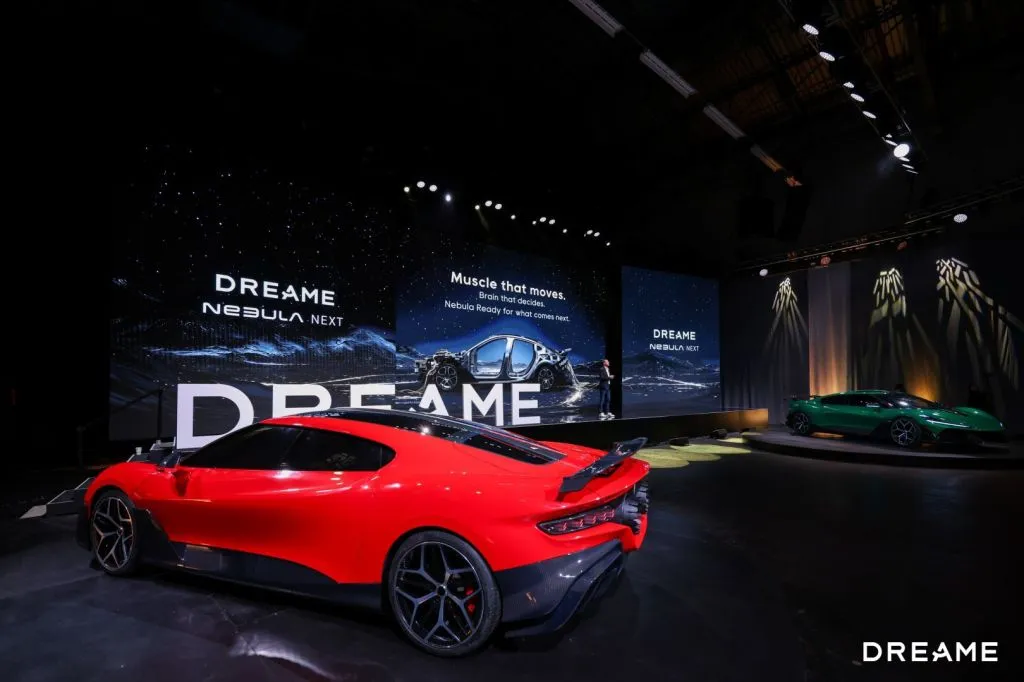
The ecosystem utilizes an advanced suite of interconnected sensors and artificial intelligence to monitor environmental variables such as air quality, lighting temperature, and acoustic levels. Unlike traditional smart home setups that rely on manual user commands, the Dreame system focuses on proactive adjustment. By analyzing real-time data, the system can modulate the living space to support circadian rhythms, potentially improving sleep quality and reducing cognitive fatigue for residents. One of it's flaghship products launched at Silicon Valley is the Nebula NEXT 01 JET Edition. a rocket-powered electric vehicle equipped with a custom-built dual solid-fuel rocket booster system.
Detailed specifications regarding the ecosystem suggest a heavy reliance on edge computing to process sensitive biometric data locally. This architectural choice is designed to minimize latency while addressing growing consumer concerns regarding data security and privacy in highly connected environments. The integration extends to intelligent furniture and climate control systems that act as a single, cohesive organism rather than isolated appliances.
Industry analysts suggest that the Dreame ecosystem represents a broader trend in Chinese consumer technology toward "human-centric" computing. As hardware becomes increasingly commoditized, software ecosystems that offer holistic wellness benefits are becoming the new frontier for market differentiation. While the complexity of such an integrated system presents significant installation and interoperability challenges, the push toward seamless human-machine habitation continues to accelerate within the global tech sector.