🎙 Listen to a summary of this story
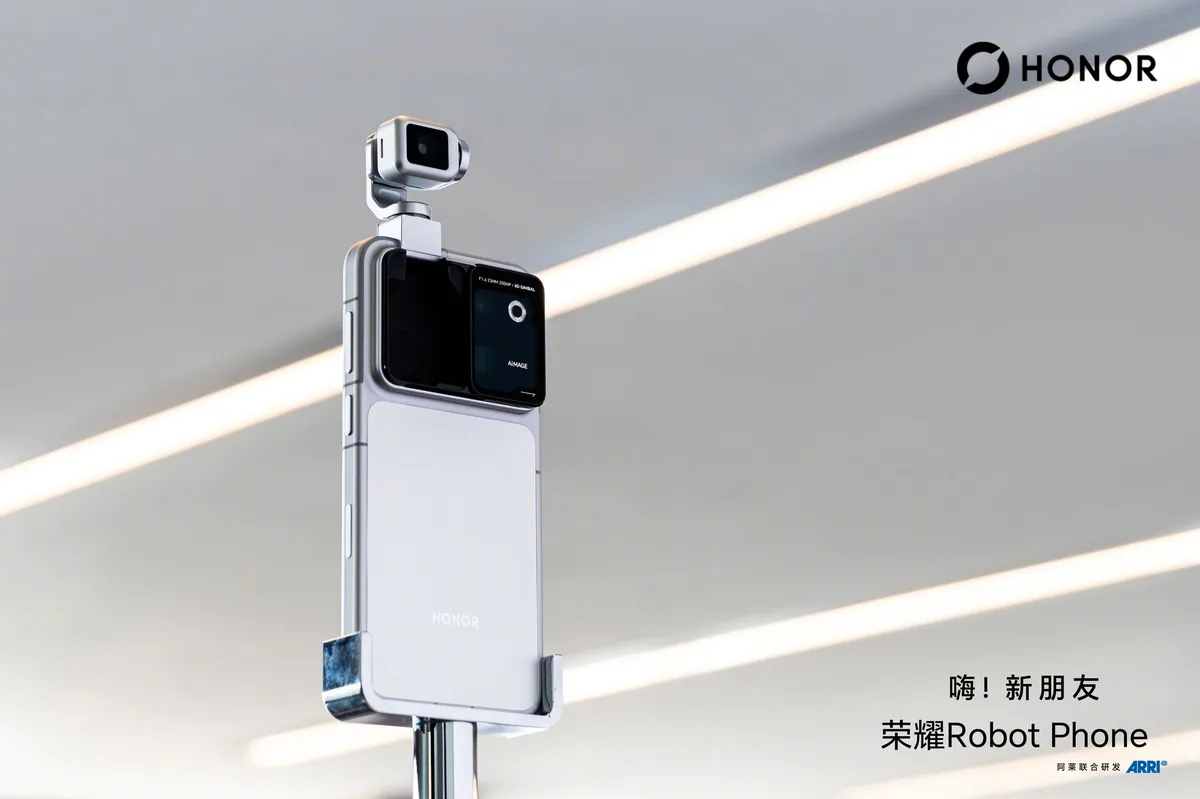
Honor asserts that future smartphones will transition from mere communication devices into comprehensive staging grounds for sophisticated, autonomous AI agents.
The company's vision posits a fundamental shift in mobile computing, where the device serves as the interface through which users interact with personalized, intelligent digital entities capable of handling complex tasks autonomously. This evolution moves beyond current applications toward an integrated, proactive AI partnership embedded within the phone’s operating environment.
Honor emphasizes that these forthcoming phones are not simply hardware upgrades but platforms designed specifically to host and orchestrate advanced AI functionalities. The integration suggests a move away from users manually initiating every action toward systems anticipating and executing needs based on learned patterns and contextual awareness.
The Architecture of Agentic Mobile Computing
This paradigm shift requires significant advancements in both on-device processing power and the architecture supporting these agents. Honor indicates that the hardware must evolve to support the intensive, real-time computations demanded by sophisticated AI models operating locally or semi-locally within the device.
The core concept revolves around "smart AI Agents," which are distinct from current generative AI features found in many consumer apps. These agents are envisioned as persistent digital entities possessing memory, goals, and the ability to chain multiple actions together—a feature central to true autonomy. For example, an agent might not just answer a query but independently plan, book travel, manage correspondence, and adjust schedules across various services.
The company’s strategy centers on making these agents deeply contextual. Instead of relying solely on explicit user prompts, the phone will leverage ambient data—location, calendar entries, communication streams, biometric feedback—to operate proactively. This creates a truly personalized digital assistant that operates with foresight rather than merely reacting to input.
This transition places significant technical demands on mobile chip design and operating system frameworks. The platform must securely manage the persistent state of numerous agents while ensuring low latency for seamless interaction, which is critical for maintaining user trust in an autonomous system.
Strategic Implications for the Mobile Ecosystem
The emphasis Honor places on AI agents signals a competitive pivot within the smartphone industry, moving the value proposition from screen quality or camera megapixels toward computational intelligence. The phone becomes less of a tool and more of a co-pilot.
From a market perspective, this development suggests that future differentiation will hinge upon the sophistication and reliability of the AI layer rather than solely on raw hardware specifications. Consumers will ultimately adopt the device based on the utility and intelligence provided by its resident agents.
Honor’s approach implies a symbiotic relationship between hardware optimization and software innovation. The physical phone provides the necessary computational substrate, while the agentic software provides the transformative experience. This synergy is what defines the next generation of mobile interaction.
The deployment of these smart agents also raises questions regarding data governance and user control. If an AI agent is managing complex life functions autonomously, clear protocols must be established regarding how that agent accesses, processes, and secures sensitive personal information residing on the device.