🎙 Listen to a summary of this story
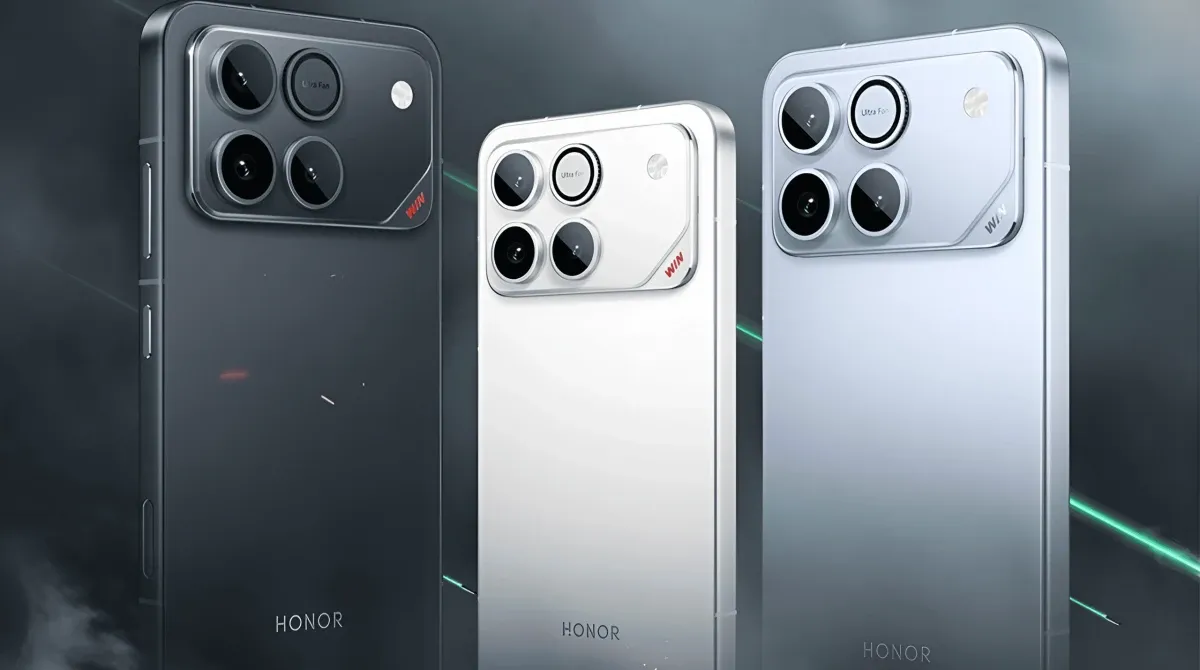
Honor's forthcoming WIN 2 series will incorporate a substantially larger battery capacity, though this enhancement is paired with a significant technological refinement that alters the traditional power consumption narrative.
The updated hardware architecture aims to deliver extended operational longevity while addressing persistent concerns regarding power efficiency in high-demand usage scenarios. This strategic shift suggests Honor is targeting users who prioritize endurance without sacrificing processing capability or device slimness—a delicate engineering balance manufacturers continuously strive for.
This revision places the WIN 2 series in direct competition within the increasingly saturated mid-to-high range smartphone segment, where battery life remains a primary purchase driver alongside camera performance and processor speed. The introduction of these power optimizations is positioned as a key differentiator against established market incumbents.
Technical Enhancements and Design Philosophy
The core modification centers on integrating a higher capacity cell within the chassis, providing users with tangible gains in screen-on time. However, the accompanying engineering effort involves optimizing the chipset's power management protocols. This dual focus—greater capacity coupled with smarter draw—is critical to realizing the advertised endurance benefits without incurring unacceptable bulk or weight penalties.
Further technical details indicate that while the battery size increases, Honor is simultaneously refining other aspects of the hardware stack, likely including more efficient display backlighting and optimized background process handling within the proprietary operating system layer. These subtle software-hardware integrations are often where true longevity gains are realized in modern mobile devices.
The series maintains its focus on blending robust functionality with a refined aesthetic, suggesting that design integrity remains paramount even when accommodating larger power sources. Prospective buyers will need to monitor detailed specifications regarding charging speeds and thermal management under heavy load to fully gauge the practical impact of these internal changes.
Market Positioning and Geopolitical Ramifications
This emphasis on battery performance speaks to a broader consumer trend favoring reliable, all-day usability over peak momentary performance spikes. In markets where grid stability or consistent uptime is critical, enhanced endurance moves from a feature to a foundational requirement for the user base.
From an industry perspective, Honor's move reinforces the competitive pressure on global tech manufacturers. As component sourcing and supply chain dynamics remain fluid, demonstrating superior optimization within existing hardware frameworks—rather than solely relying on raw silicon power increases—is becoming a more sustainable competitive advantage.
Ultimately, the WIN 2 series update reflects Honor's calculated maneuver to solidify its presence in key consumer segments. Success hinges not just on the larger battery figurehead, but on how effectively these technological refinements translate into a superior, uninterrupted user experience against rivals whose own power management strategies are rapidly evolving.