🎙 Listen to a summary of this story
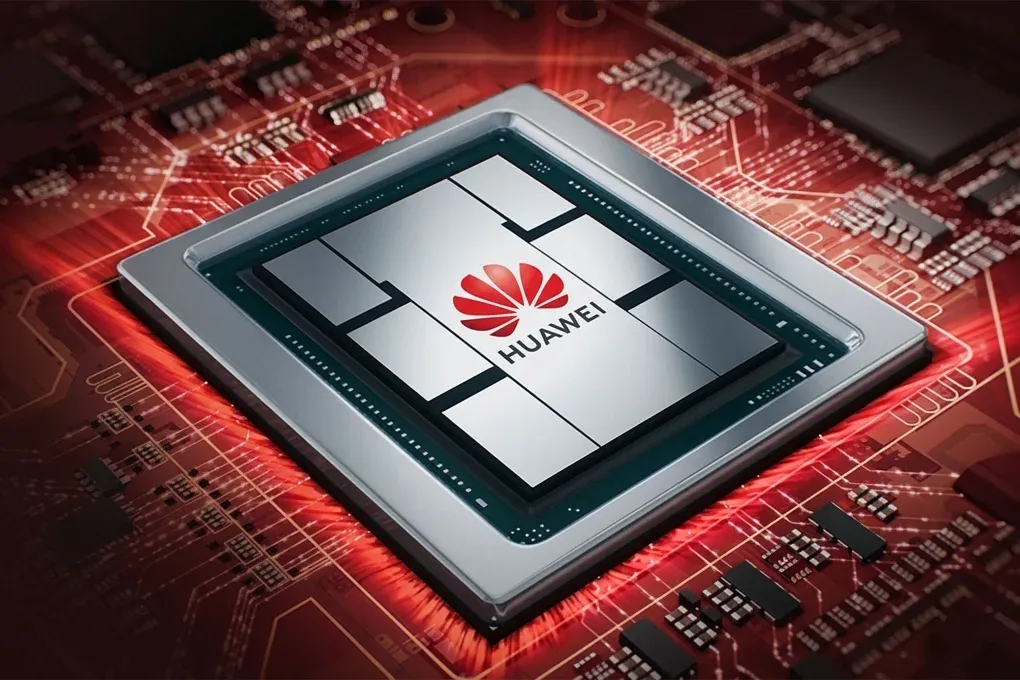
Huawei is poised to disrupt the high-bandwidth memory (HBM) market by unveiling its proprietary HBM design, directly challenging established semiconductor giants Samsung and SK hynix.
This strategic move signals Huawei's aggressive push into advanced memory solutions, a critical component fueling the next generation of AI accelerators and high-performance computing (HPC). The introduction of a competing HBM architecture threatens the entrenched dominance of South Korean memory manufacturers who currently command the lion's share of the high-end market.
The unveiling is not merely a technical showcase; it represents a significant geopolitical and commercial challenge. By developing in-house HBM technology, Huawei seeks to mitigate supply chain vulnerabilities and secure a vital technological foothold in a sector heavily scrutinized by Western regulatory bodies.
Technical Specifications and Market Dynamics
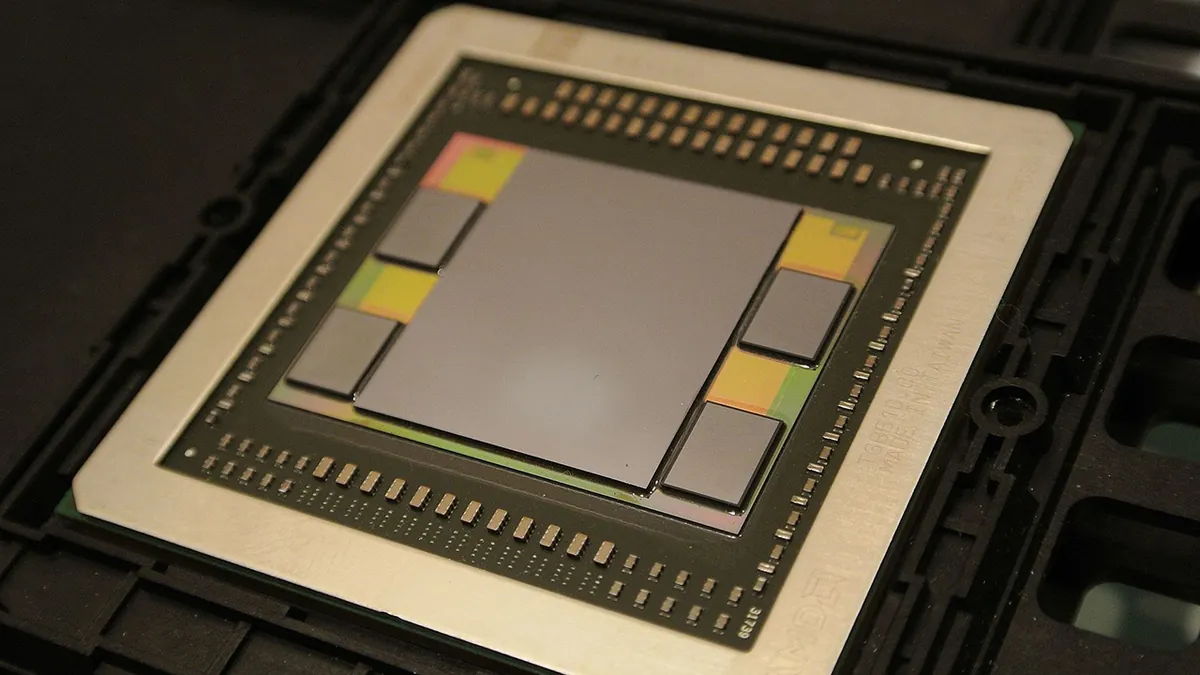
The specifics of Huawei's planned HBM architecture remain under wraps pending the official announcement, but industry observers anticipate the design will be optimized for extreme memory throughput and low latency, characteristics essential for large language model (LLM) training.
The competition is fierce, as HBM capacity and performance are inextricably linked to the viability of cutting-edge AI chips. Samsung and SK hynix have invested billions to maintain their leadership in stacking technology and process node refinement, making Huawei's entry a direct test of their technological moat.
Commercially, this move places Huawei in a potentially lucrative position. If the design proves competitive, it opens avenues for Huawei's internal chip designs, as well as for potential third-party clients seeking alternatives to the current duopoly, thereby injecting competitive pressure into pricing and innovation cycles.
Broader Industry and International Implications
The battle over HBM extends far beyond semiconductor performance metrics; it is a proxy conflict in the ongoing technological decoupling between East and West. Huawei’s success here could significantly alter the dependency map of the global AI hardware ecosystem.
For the semiconductor industry as a whole, the increased competition drives innovation at an accelerated pace. It forces incumbent leaders to refine their process yields and explore new packaging techniques to maintain margins against a technologically ambitious challenger like Huawei.
Ultimately, the successful commercialization of Huawei's HBM design will be viewed as a major indicator of China's self-sufficiency in advanced computing infrastructure. It underscores a national strategy to achieve technological parity, transforming memory, once a specialized component, into a central pillar of national strategic capability.