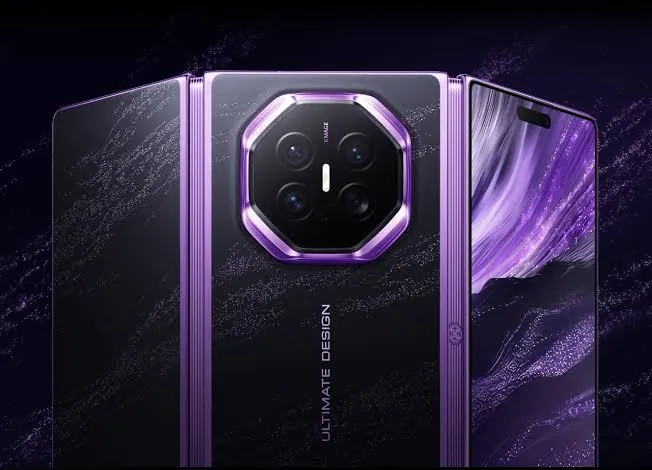
Huawei has launched the new Mate XT 2 in a 512GB configuration, prominently featuring a sophisticated privacy screen designed to address mounting consumer concerns over digital surveillance.
This latest iteration of the Mate XT series positions itself directly within the premium segment, emphasizing hardware-level privacy alongside advanced processing capabilities. The unveiling signals Huawei’s sustained effort to differentiate its hardware offerings through tangible user control features, moving beyond mere processing power metrics.
The introduction of the dedicated privacy screen is not merely a cosmetic upgrade; it represents a strategic pivot toward securing user data visibility in public and professional settings, directly challenging market incumbents who often treat privacy as a software patch rather than a core hardware function.
Technical Architecture and Market Positioning
The Mate XT 2 512GB integrates a powerful chipset optimized for sustained performance, ensuring that demanding applications run without thermal throttling. Beyond the storage capacity, the device emphasizes a refined user experience through its display technology, which actively filters ambient light to restrict screen visibility to authorized viewing angles.
Internally, the phone boasts robust memory management and cutting-edge camera hardware, though the privacy screen remains the defining feature in its commercial narrative. This combination of high-end processing power paired with enhanced visual security targets a discerning demographic willing to pay a premium for demonstrable data protection.
Commercially, this release reinforces Huawei’s localized strategy within key international markets. By providing a device that tangibly solves a widely discussed contemporary issue—digital visibility—the company solidifies its value proposition against competitors whose flagship models might lack such specific, integrated security hardware.
Geopolitical and Consumer Implications
The focus on privacy in the Mate XT 2 carries significant weight beyond consumer preference; it reflects a broader geopolitical trend where data sovereignty and personal visibility are increasingly politicized. For Huawei, this move allows it to market a solution that aligns with heightened global skepticism regarding data collection practices.
Industry analysts suggest that the success of this privacy-centric device could catalyze a shift in how flagship phones are evaluated, moving the conversation from benchmark scores to tangible security implementations. Consumers are demonstrating a growing appetite for hardware-enforced privacy solutions.
Ultimately, the Mate XT 2 512GB serves as a clinical illustration of how technological innovation is merging with societal anxiety. Huawei is leveraging hardware specificity—the privacy screen—to build a moat around its brand narrative, positioning itself not just as a manufacturer, but as a guardian of user digital space, further strengthening its competitive stance in a volatile global tech landscape.