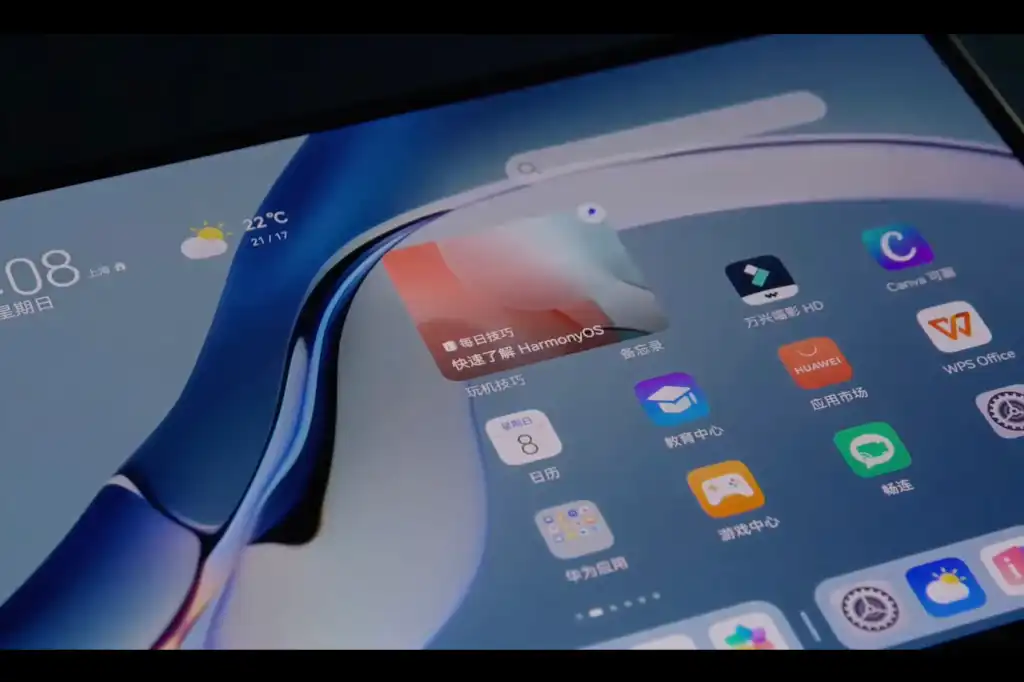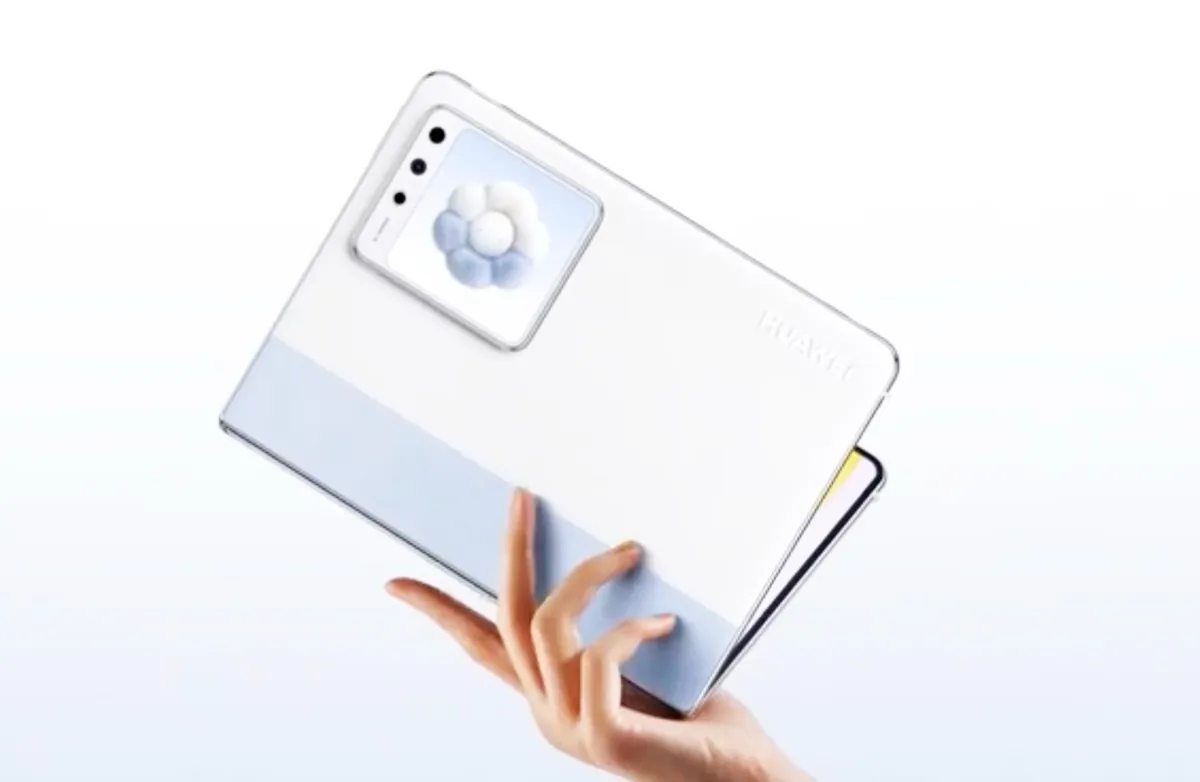
Huawei’s new MateBook Fold S video teaser showcases unprecedented portability, positioning the device to redefine the premium ultrabook category. The device emphasizes a sophisticated folding mechanism paired with a compact profile, signaling a strategic push into the highly contested flexible laptop market. In adition, a standout feature is the incorporation of a second screen onto its outer lid.
This latest reveal underscores Huawei’s continued commitment to integrating cutting-edge hardware design with practical user experience. By focusing heavily on the physical attributes and ease of transport, the company aims to attract professionals who demand both high performance and uncompromising mobility from their computing tools.
The foldability and second screen move beyond mere novelty; it represents a significant engineering achievement that promises to bridge the gap between traditional clamshell laptops and bulky tablet replacements, a crucial differentiator in the modern mobile workspace.
Design Engineering and Core Specifications
The MateBook Fold S appears engineered around maximizing screen real estate while minimizing bulk. While specific processor details remain under wraps in the initial teaser, the visual evidence suggests a refined hinge system designed for durability under frequent folding cycles. This mechanical refinement is central to the device’s market proposition.
The design language leans toward a polished, professional aesthetic, suggesting it targets enterprise and high-end consumer segments rather than purely creative or gaming markets. The integration of the display hinges and chassis appears to maintain a slim silhouette even when deployed in its folded configuration, addressing a persistent pain point in foldable hardware.
From a commercial standpoint, the Fold S enters a fiercely competitive segment dominated by established players. Huawei’s strategy, evidenced by this teaser, is clearly to leverage its advanced industrial design capabilities to create a device that feels inherently more refined and user-centric than many competitors.
Market Positioning and Industry Trajectory
The emphasis on portability is not merely a feature; it is a direct response to the evolving hybrid work model. As corporate environments continue to decentralize, the demand for devices that transition seamlessly between desk work and mobile use has accelerated, placing premium value on lightweight, versatile hardware.
Geopolitically, the success of the MateBook Fold S will serve as a vital indicator of Huawei’s recovery and technological resurgence in global premium hardware markets. Successfully executing a complex, high-end foldable product demonstrates sophisticated supply chain control and proprietary technological competence.
Ultimately, the MateBook Fold S sets a new benchmark for form factor innovation. It signals that the next generation of productivity computing will prioritize fluid transformation—from a compact pocket device to a fully functional desktop replacement—rather than adhering to static chassis designs.