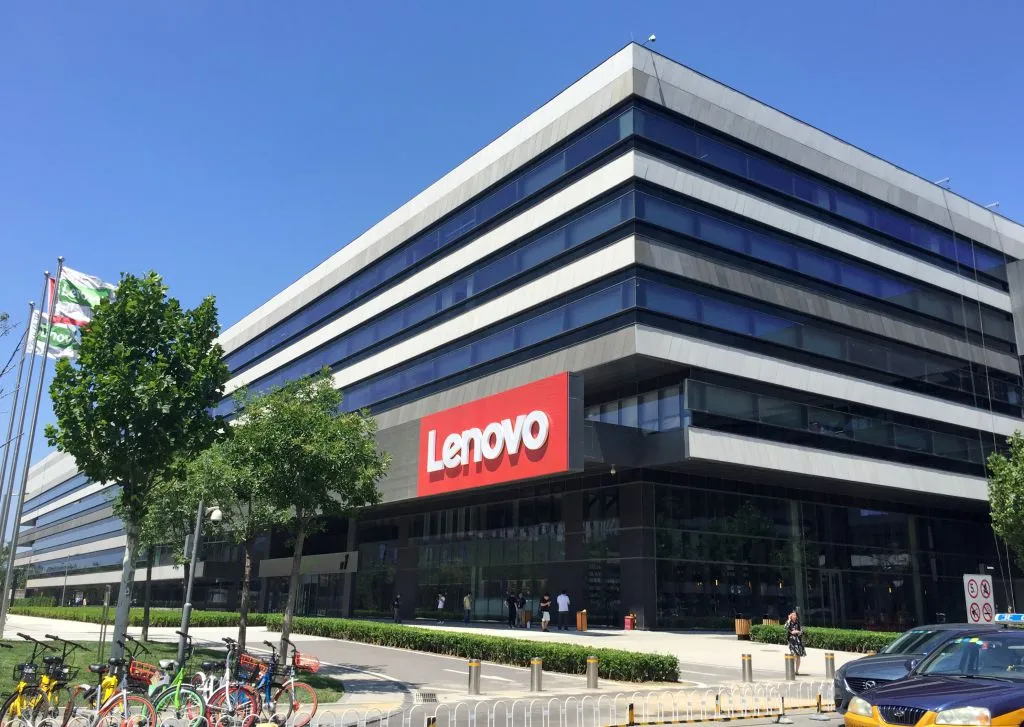
Lenovo Innovation Accelerator is leveraging its extensive ecosystem to propel Chinese hard-tech startups onto the international market, signaling a strategic effort to globalize domestic technological prowess.
Globalizing Chinese Hard-Tech Innovation
The accelerator program functions as a critical conduit, bridging the gap between cutting-edge Chinese hardware development and established global industry demand. By integrating these nascent companies into Lenovo's expansive network, the initiative provides startups with crucial access to supply chains, market intelligence, and international distribution channels previously inaccessible to many domestic firms.
This targeted support mechanism addresses a significant bottleneck in the rapid growth of China's technology sector: scaling from successful local prototypes to globally competitive products. Lenovo’s involvement lends immediate credibility and operational scale to these smaller enterprises.
The program focuses specifically on "hard-tech," encompassing complex physical technologies such as advanced sensors, specialized computing hardware, and next-generation manufacturing components. This focus reflects a broader industrial policy push in China toward self-sufficiency and leadership in foundational technology sectors.
Partnerships within the accelerator structure are designed not merely for investment, but for deep operational integration. Startups benefit from mentorship drawn from Lenovo’s global operations teams, allowing them to refine product specifications against stringent international quality benchmarks before commercial launch overseas.
Ecosystem Leverage and Market Penetration
The strategic value proposition of the Innovation Accelerator lies in its ability to channel ecosystem power directly into market penetration. Instead of relying solely on traditional venture capital funding for expansion, these companies gain access to a pre-vetted pathway into global business operations.
Specific examples illustrate this mechanism: startups are being integrated into Lenovo's existing procurement pipelines or positioned within its international sales channels. This immediate utility provides a faster route to revenue generation than typical incubation models allow.
Furthermore, the accelerator helps mitigate geopolitical and logistical hurdles often faced by Chinese tech exporters. By operating under the umbrella of a multinational giant like Lenovo, these startups gain an implicit layer of global operational reassurance for international partners.
Industry observers note that this model represents a shift from simple technology transfer to comprehensive business scaffolding. The acceleration is holistic, addressing product refinement, regulatory navigation in foreign markets, and establishing robust international partnerships simultaneously.
Lenovo’s commitment underscores a growing global recognition of the quality emerging from China's hard-tech sphere. By actively championing these firms through its structured program, Lenovo solidifies its role not just as a hardware manufacturer, but as a key facilitator in the globalization of advanced Chinese manufacturing capabilities.
The success metrics for the accelerator appear to be centered on achieving measurable international sales milestones and securing verifiable cross-border supply chain integrations for the participating startups. This tangible outcome demonstrates the program’s efficacy in translating domestic innovation potential into demonstrable global commercial impact.