🎙 Listen to a summary of this story
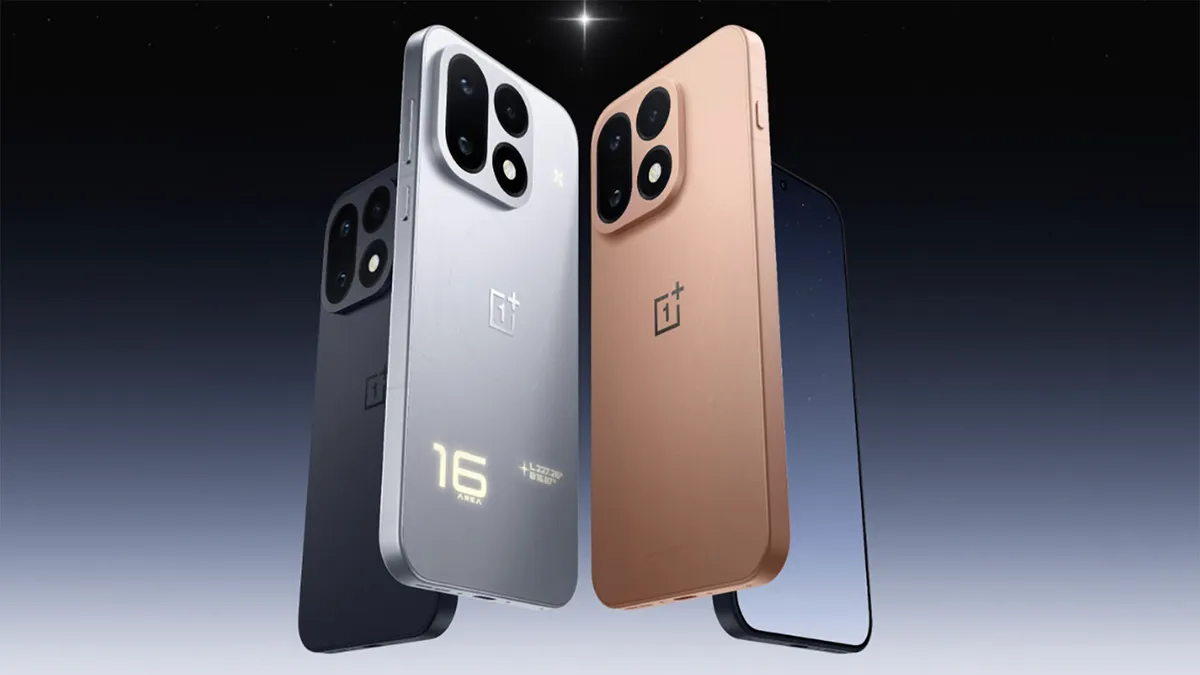
OnePlus 16 is poised to redefine the high-refresh gaming phone segment with its integration of a groundbreaking 185Hz BOE X4 display.
This display technology represents a significant leap in mobile visual fidelity, offering refresh rates previously reserved for premium, niche devices. The adoption of this specific panel positions OnePlus not merely as a hardware contender but as a serious innovator challenging established high-refresh benchmarks within the competitive smartphone ecosystem.
The sheer capability of 185Hz translates directly into smoother motion rendering and drastically reduced input latency, factors paramount to elite mobile gamers. This specification moves beyond incremental updates, signaling a strategic pivot toward delivering genuinely next-generation visual performance in mainstream flagships.
Technical Specifications and Display Architecture
The core of this advancement is the BOE X4 panel itself, which offers superior pixel density combined with exceptionally fluid refresh capabilities. While specific material science details remain proprietary to OnePlus, the integration suggests a commitment to low-latency touch sampling alongside the high frame rate.
Beyond the display's refresh rate, the device’s overall chipset and software optimization will dictate how effectively this panel can be utilized. The performance ceiling of 185Hz is meaningless without sufficient processing power capable of consistently feeding that rate with complex graphical demands from contemporary mobile titles. OnePlus must ensure its software stack fully exploits the hardware potential.
Furthermore, the inclusion of this premium display impacts the device's thermal management profile. Sustained operation at 185Hz places considerable strain on both the display driver and the chipset; therefore, the engineering behind the phone's cooling solution becomes a critical, often unseen, component in maintaining peak performance.
Market Implications and Industry Trajectory
The introduction of such an aggressive display specification forces competitors to reassess their own refresh rate roadmaps. If OnePlus can successfully market this technology as superior gaming hardware at a competitive price point, it sets a new baseline expectation for the entire high-end Android sector.
From a broader industry perspective, this trend underscores the intensifying battleground between raw processing power and display latency reduction in mobile computing. As gaming becomes more sophisticated, the bottleneck frequently shifts from computational throughput to how quickly visual data can be rendered and presented to the user.
Geopolitically, the reliance on advanced panel suppliers like BOE highlights the complex supply chain dynamics in modern electronics manufacturing. The ability of Chinese manufacturers to integrate cutting-edge display technology into globally recognized brands like OnePlus is a key indicator of regional technological maturity and competitive advantage in hardware integration.
For a comprehensive breakdown of the specifications, review the original report here.