🎙 Listen to a summary of this story
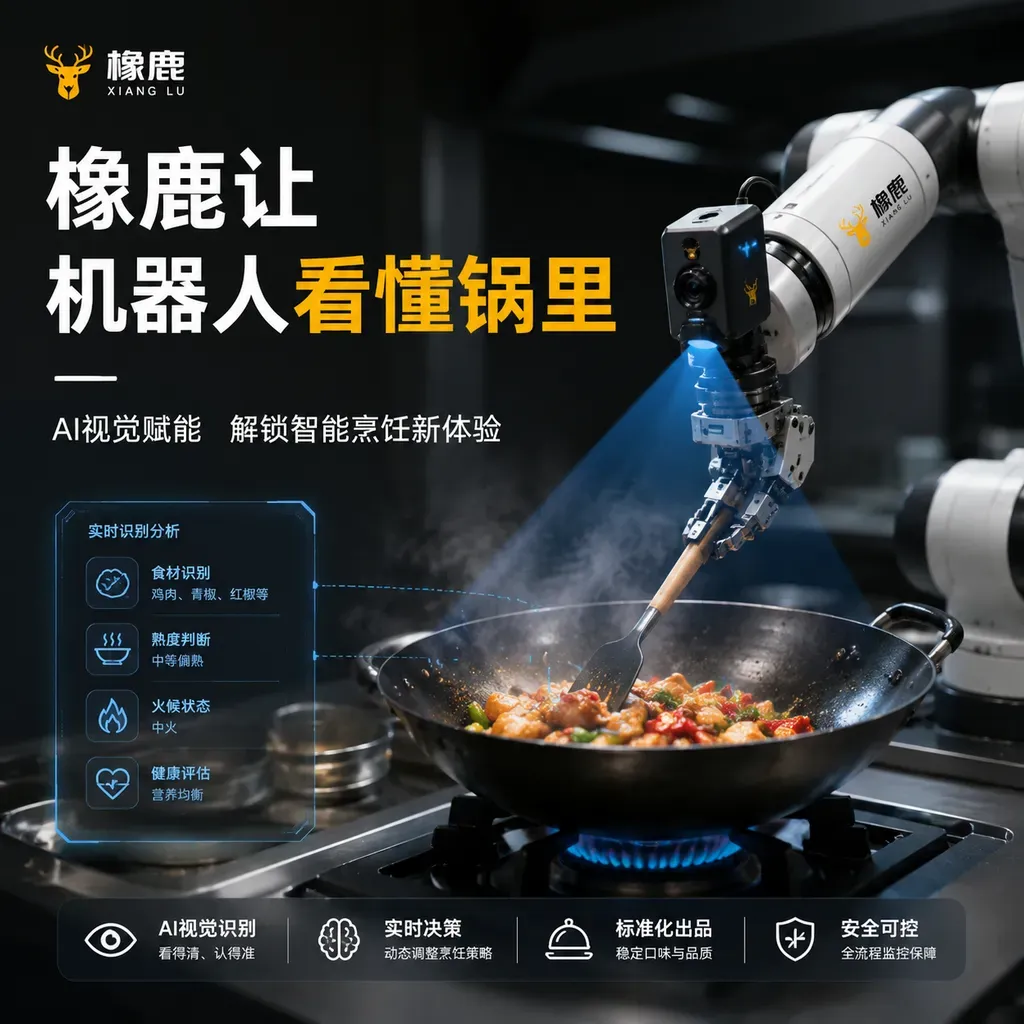
Chinese robotics firm Xianglu Robotics unveiled a sophisticated AI cooking tool capable of mastering complex culinary tasks, signaling a major shift in domestic smart kitchen technology at the World Robot Conference in Beijing.
The new appliance integrates advanced machine vision and proprietary deep learning algorithms to achieve precise temperature control, ingredient recognition, and recipe execution with minimal human intervention. This launch positions the company directly within the rapidly expanding global market for autonomous kitchen systems.
Xianglu Robotics stated that the device utilizes a multi-sensor array to continuously monitor cooking processes, adjusting parameters in real-time based on the food's actual state rather than pre-programmed timelines. This level of granular control differentiates it from earlier generation automated cooking devices, which often relied on simple timers or fixed heat settings.
Industry analysts view this development as a critical step toward true domestic automation. The technology moves beyond simple functions like blending or microwaving; it addresses the core challenges of high-skill cooking, such as searing, sautéing, and delicate sauce reduction.
The company emphasizes that the AI system learns from every successful and unsuccessful cooking cycle, refining its operational parameters. This continuous feedback loop allows the tool to adapt to variations in ingredient quality or ambient kitchen conditions, a significant hurdle for previous robotic implementations.
Technological Architecture and Market Penetration
The operational core of the RoboChef unit is powered by a specialized neural network trained on thousands of professionally curated culinary datasets. This training allows the system to recognize specific cuts of meat, the viscosity of batters, and the exact color change indicative of doneness across various protein types.
Furthermore, the system is designed for high interoperability. It connects seamlessly with major smart home ecosystems, allowing users to initiate recipes via voice command or integrate cooking schedules with existing household management platforms. This connectivity enhances its utility beyond the immediate kitchen counter.
Xianglu Robotics has announced an initial rollout targeting high-end urban consumers in Tier 1 Chinese cities, where disposable income supports early adoption of advanced domestic robotics. The initial pricing places the unit competitively against premium imported kitchen assistants, though the company plans to scale production rapidly to achieve economies of scale.
The strategic importance of this release lies not just in the appliance itself, but in the data it generates. Each use provides the company with proprietary data on consumer cooking preferences, ingredient handling, and successful culinary execution—a valuable asset for future product development and service expansion.
The company leadership projects that the AI cooking tool will not only serve as a convenience item but could eventually function as a personalized culinary coach, providing real-time feedback to novice cooks regarding technique and timing.
Investors are paying close attention to how quickly Xianglu Robotics can transition from a niche, high-end gadget to a mainstream household staple. The success of this AI implementation provides a strong case study for China's broader push in applied artificial intelligence within consumer goods.