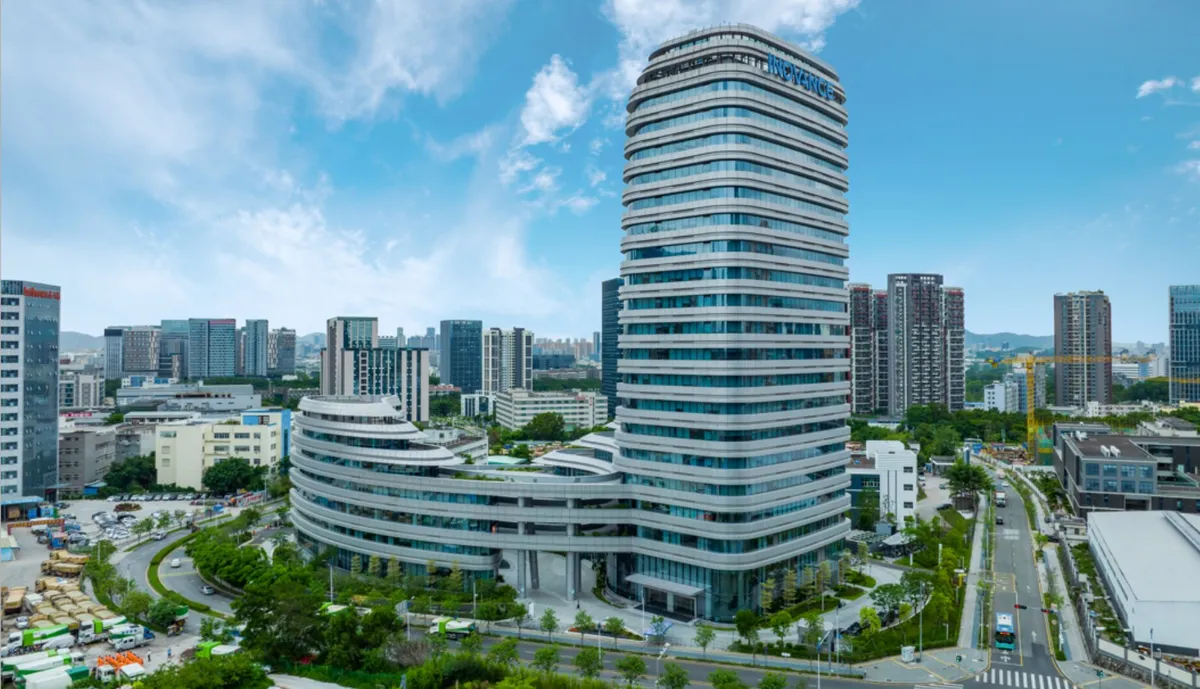
Foreign visitors are engaging directly with Shenzhen's advanced industrial ecosystems, cementing its status as a critical global nexus for technological innovation and foreign investment.
Shenzhen is actively attracting international delegates who are bypassing traditional tourism circuits to engage directly with high-tech manufacturing and digital infrastructure. According to recent reports detailing the city’s economic revival, these visitors represent more than just consumers; they function as crucial industry partners seeking deeper collaboration in advanced sectors like artificial intelligence and smart urbanization.
The current wave of international engagement highlights a strategic pivot by local industries toward global integration, emphasizing joint research and development (R&D) rather than merely exporting finished goods. Companies are facilitating immersive site visits that place foreign delegates within the operational heart of their facilities, allowing for direct observation of technological processes ranging from advanced semiconductor fabrication to automated logistics systems.
This deep engagement is critical because it provides multinational corporations a firsthand view of China's rapidly maturing industrial capacity, addressing concerns about supply chain resilience and technological parity. The city’s proactive efforts are focused on building trust through transparency in its manufacturing and digital ecosystems, attracting investment that spans both hardware development and software integration.
The Strategic Focus on Global Collaboration
The primary focus of these international visits is not consumer-facing technology but B2B interaction within highly specialized sectors. Delegates from global tech firms are spending considerable time assessing Shenzhen’s prowess in next-generation manufacturing processes. Discussions center around adopting sustainable smart city models and integrating industrial Internet of Things (IIoT) solutions across various municipal services.
These deep dives into the operational core demonstrate a mature commitment to international partnership, moving beyond simple trade agreements toward co-creation of technological standards. The government and local economic zones are supporting this effort by streamlining regulatory processes for foreign participation in pilot projects, thereby lowering the barriers to entry for global innovators.
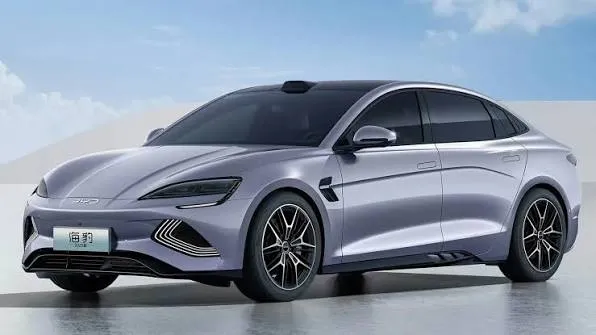
Specific sectors driving this renewed interest include advanced healthcare technology, which utilizes AI for diagnostics within smart hospitals, and electric vehicle (EV) supply chains, where Shenzhen is globally recognized as a testing ground for battery and charging infrastructure. These areas serve as tangible examples of China's ability to rapidly commercialize pioneering technologies.
Policy Framework Supporting Tech Diplomacy
The city’s approach to attracting foreign talent and capital is characterized by specific policy incentives designed to foster cross-border collaboration. Authorities are emphasizing the synergy between academic institutions, private enterprises, and government bodies to create robust innovation clusters. This integrated framework reduces risk for international investors while maximizing local resource utilization.
Furthermore, the narrative of Shenzhen has shifted from merely being a manufacturing powerhouse to becoming a specialized hub for global technological exchange. The emphasis on cultivating high-level foreign delegations underscores an institutional commitment to embedding itself within the international knowledge economy. International forums and curated site tours are strategically employed tools to showcase this capacity. The trend signals a long-term shift toward integrating foreign expertise directly into the core industrial planning of China’s most modern economic zones.