🎙 Listen to a summary of this story
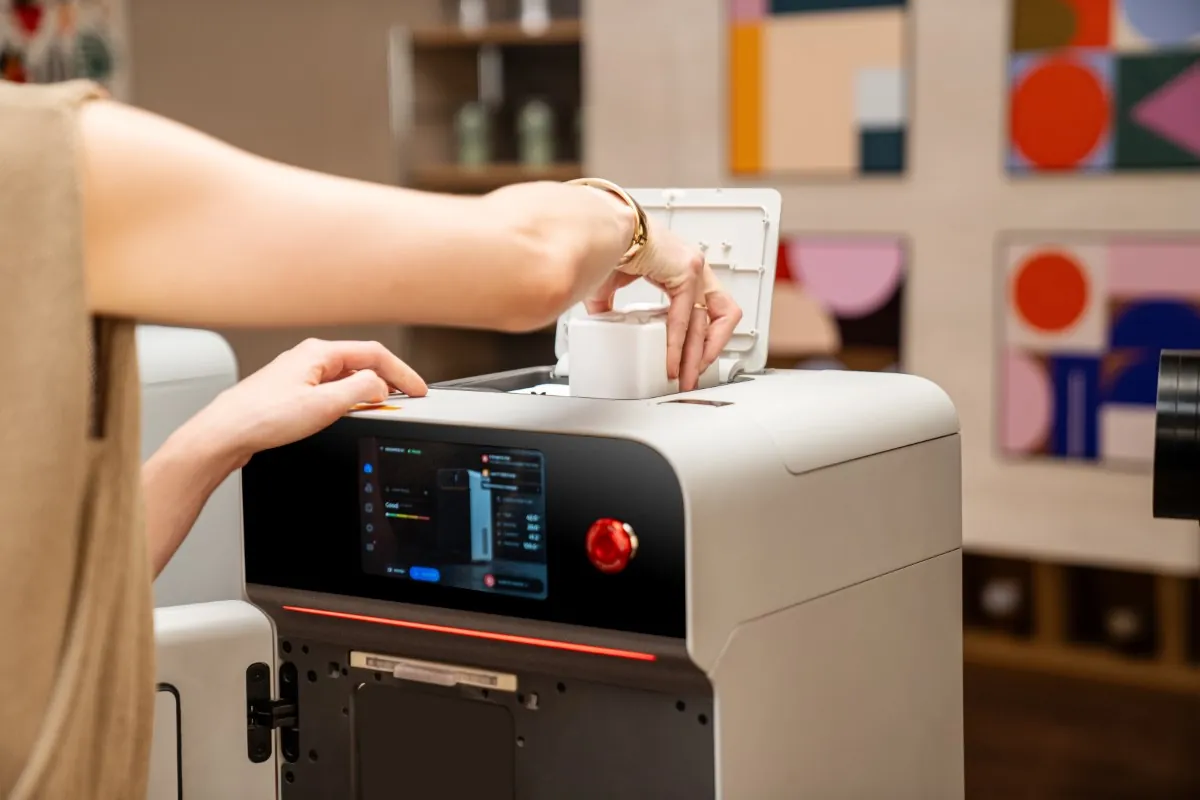
SnowX has launched the SnowPod, a desktop metal 3D printer engineered to deliver industrial-grade additive manufacturing capability in a remarkably compact footprint.
This new device addresses a critical bottleneck in high-end prototyping and small-batch production: the trade-off between machine size and material capability. The SnowPod integrates robust metal printing functionality into a unit designed for integration within standard laboratory or engineering workspaces, moving complex metal additive manufacturing out of dedicated industrial cleanrooms.
The immediate market significance lies in democratizing access to powder bed fusion (PBF) technology, allowing smaller design firms and advanced R&D departments to produce functional metal prototypes without significant capital investment in massive, traditional SLA or DMLS machines. This shift targets the growing demand for localized, rapid iteration in high-value engineering sectors.
Technical Architecture and Operational Design
Technically, the SnowPod employs a sophisticated system designed for precise powder handling and laser control within its constrained chassis. While specific layer height tolerances are proprietary, reports indicate it utilizes advanced thermal management to maintain material integrity during rapid sintering cycles necessary for metal alloys.
The integration of hardware and software is key to its usability; the machine supports a comprehensive suite of slicing algorithms tailored specifically for metal powder beds. This allows users to transition from CAD model preparation directly into print job execution with optimized settings for density, support structure generation, and minimizing warping inherent in high-temperature metallic builds.
Furthermore, the system is designed with modularity in mind, suggesting pathways for future upgrades concerning build volume or material feedstock compatibility. The ability to manage complex metal powders—which require stringent environmental control—within a desktop format represents a significant feat of engineering miniaturization that dictates its operational profile.
Market Implications and Industry Trajectory
The introduction of the SnowPod signals a tangible maturation in the commercial trajectory of additive manufacturing, moving it further away from purely large-scale aerospace or automotive applications toward pervasive enterprise adoption. This move into the desktop segment suggests a strategic pivot by manufacturers to capture the high-volume, low-to-mid complexity prototyping market.
Geopolitically and industrially, this proliferation of accessible metal AM capacity aligns with broader trends favoring resilient, localized supply chains over reliance on massive centralized fabrication hubs. Companies can now maintain in-house capability for critical part iteration locally, reducing lead times significantly.
The competitive landscape will likely intensify as other manufacturers attempt to match the SnowPod's combination of compact size and metal printing fidelity. Success for SnowX hinges not only on initial unit sales but on establishing a robust ecosystem of materials and service support that underpins reliable long-term operation in demanding engineering environments.