HANGZHOU: Chinese robotics firm Unitree Robotics is drawing global attention this month, propelled by viral videos of its agile humanoid machines and a newly filed initial public offering on Shanghai’s STAR Market. But as excitement builds, industry analysts warn that the rapid expansion of humanoid robots could place unexpected strain on China’s digital infrastructure.
According to a recent report by International Data Corp (IDC), the commercialization of humanoid robotics is accelerating faster than anticipated, bringing with it a significant increase in demand for data processing. Unlike conventional robots, humanoid systems such as Unitree’s G1 rely heavily on continuous, high-bandwidth communication with cloud-based systems to interpret surroundings and make real-time decisions.
The result is what IDC describes as a growing “humanoid tax” on Internet Data Centers, as operators are forced to upgrade infrastructure to support low-latency artificial intelligence workloads at the network edge. This shift is being driven by the transition of humanoids from experimental demonstrations to industrial pilot programs, where consistent performance and responsiveness are critical.
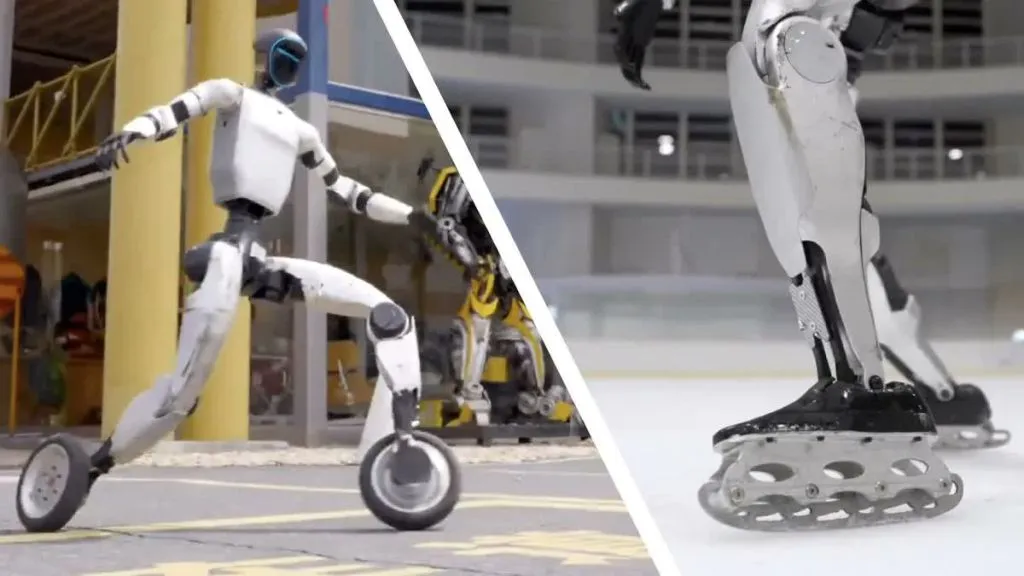
Unitree’s machines have captured public imagination, with widely circulated footage showing robots performing complex movements such as rollerblading, as reported by TechRadar. At the same time, investors are taking note of the broader implications. Analysts cited by Forbes say humanoid robotics is reshaping the technology investment landscape, with infrastructure emerging as a key battleground.
IDC projects that shipments of humanoid robots could surge in the coming years, with Unitree alone targeting more than 500,000 units by 2030. Meeting that scale will require significant advances not only in robotics but also in computing networks capable of sustaining the data demands of “embodied intelligence.”
As companies race to deploy these machines across industries, the challenge of building the systems that keep them operational may prove just as critical as the robots themselves.