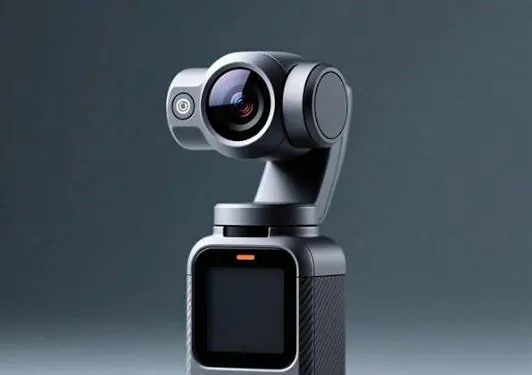
Vivo is preparing to disrupt the premium hardware sector with the introduction of several highly specialized devices, notably a dedicated pocket gimbal camera and advanced foldable handsets. This strategic product expansion signals a deliberate pivot by the manufacturer away from monolithic flagship releases toward deeply integrated, niche technological solutions designed to capture specific high-end consumer segments.
The development pipeline reveals a clear focus on addressing gaps in the current mobile landscape. While the primary smartphone market faces increasing saturation, the demand for specialized, high-performance peripherals—such as stabilized capture tools and innovative form factors—remains robust. These upcoming releases position Vivo not merely as a smartphone producer, but as a comprehensive mobile technology ecosystem developer.
The forthcoming wide flagship device, alongside the specialized camera units, is anticipated to compete directly with established leaders in both camera innovation and display technology, signaling an aggressive push for market share in the lucrative, high-margin premium category.
Hardware Specialization and Technological Advancement
The pocket gimbal camera represents a significant engineering undertaking, merging advanced optical stabilization systems with a compact, portable chassis. Such integration requires solving complex power management and sensor calibration issues while maintaining a device profile suitable for daily carry. This moves beyond simple accessory status into a fully integrated, professional-grade capture tool.
Furthermore, the planned foldable models suggest Vivo is heavily investing in display durability and hinge mechanism refinement. Successful execution in the foldable segment requires overcoming historical hurdles related to crease visibility, ingress protection, and long-term structural integrity, demanding proprietary advancements in flexible OLED technology.
These hardware initiatives are underpinned by expected software enhancements, suggesting that the functionality of these new devices will be deeply intertwined with Vivo's proprietary imaging and computational photography stacks. The ability to seamlessly process gimbal data or manage the multi-panel display of a foldable is a key differentiator.
Market Dynamics and Industry Implications
This diversification strategy reflects a broader trend within the Chinese tech industry: moving up the value chain by creating proprietary hardware ecosystems rather than solely relying on incremental improvements to the standard smartphone form factor. By mastering specialized verticals, Vivo mitigates the risks associated with intense competition in the general flagship category.
Geopolitically, this push for technical autonomy is critical. By developing highly specific, advanced components in-house, Vivo reduces dependency on singular supply chains for core technologies. This self-sufficiency is a key competitive advantage in an increasingly volatile global semiconductor and component market.
Ultimately, the introduction of these varied, high-specification products signals Vivo’s intent to redefine the boundaries of mobile utility. The success of the pocket gimbal and the next-gen foldable will serve as critical indicators of the viability of highly specialized, premium mobile hardware in the next generation of consumer electronics.