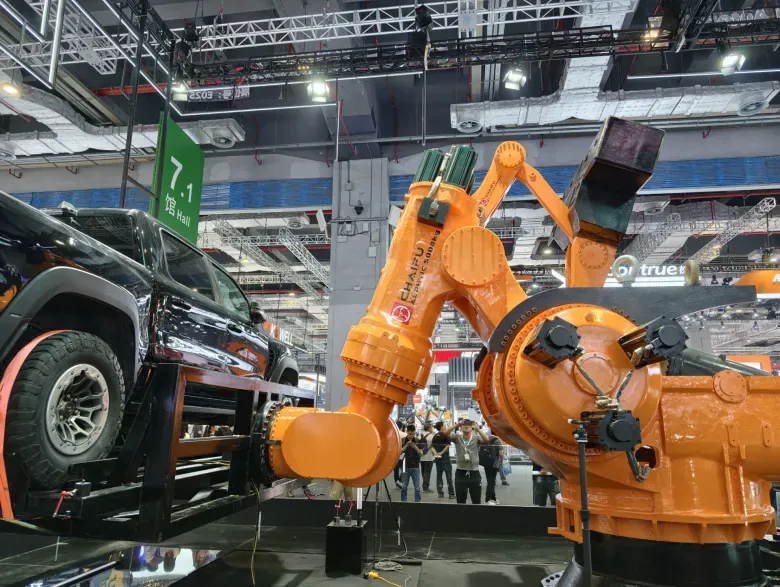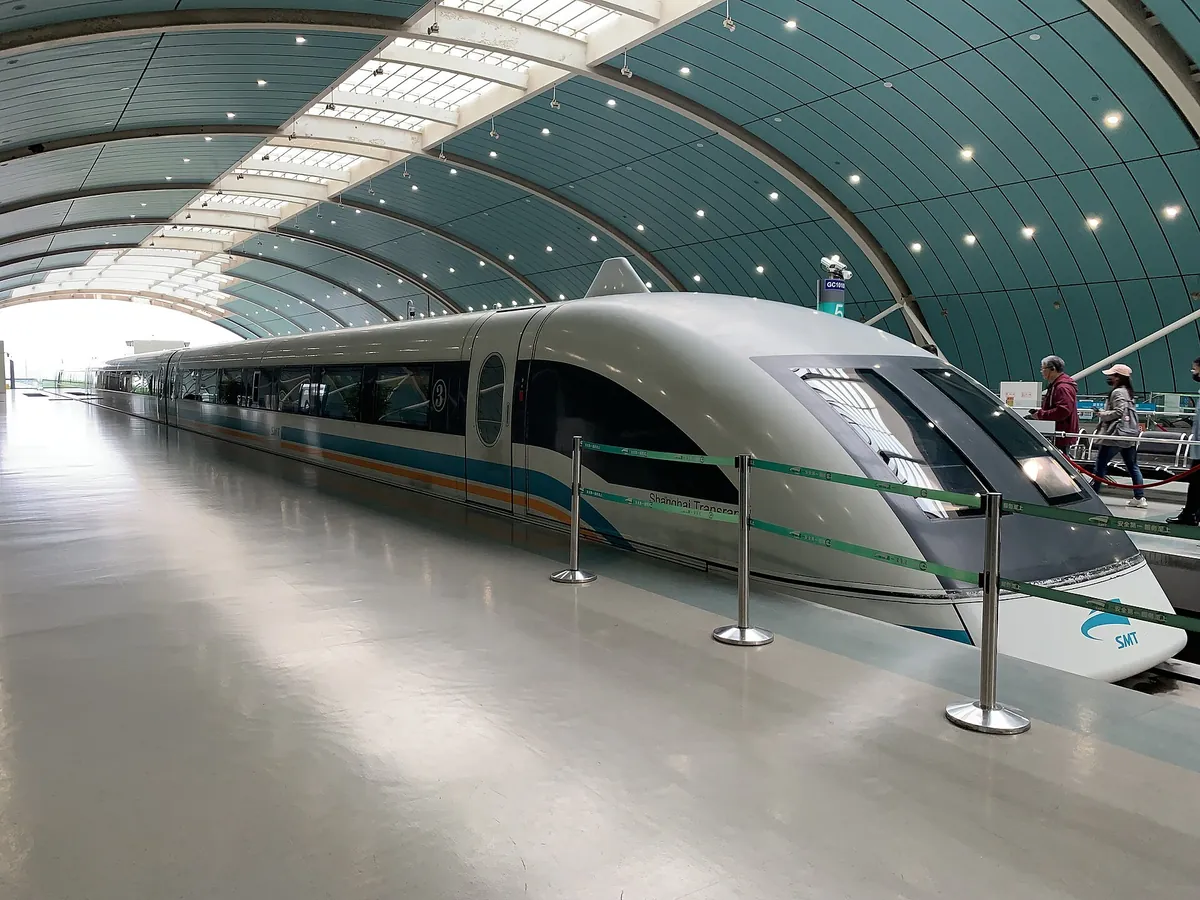

Green energy is powering the 2026 World Intelligence Expo in Tianjim, signaling a major commitment to sustainable infrastructure for the premier global technology event.
Sustainable Powering of Global Tech Showcase
The forthcoming World Intelligence Expo in 2026 is slated to operate entirely on green energy sources, establishing a significant benchmark for large-scale international exhibitions. This dedication underscores a broader trend among major global events to integrate stringent environmental standards into their operational core.
Sources confirm that the expo's ambitious goal involves minimizing its carbon footprint across all phases of operation, from construction through daily function. The integration of renewable energy sources is not merely a symbolic gesture; it represents a fundamental shift in how high-profile technological gatherings are managed and executed.
This move aligns with escalating international pressure on major corporate and governmental entities to demonstrate tangible environmental stewardship. For the World Intelligence Expo, this commitment places its 2026 iteration at the forefront of sustainable event design within the highly competitive global tech sector.
The infrastructure planning for the expo has incorporated advanced energy management systems designed to maximize efficiency while prioritizing renewable inputs. Specific details regarding the exact mix of green energy—such as solar, wind, or hydroelectric power generation utilized onsite or procured from certified suppliers—remain under final review but the commitment remains absolute.
The selection of sustainable power sources is viewed by organizers as a crucial element in reflecting the very technologies being showcased at the expo. By running on green energy, the event itself becomes a living demonstration of the clean innovations that the industry aims to promote and advance globally.
Strategic Implications for Future Expos
The decision to mandate green power for the 2026 World Intelligence Expo carries substantial strategic weight beyond the event's immediate operational scope. It serves as a powerful precedent, potentially influencing how future large-scale technological gatherings worldwide approach sustainability mandates.
This initiative reflects China’s deepening focus on integrating ecological imperatives with industrial and technological advancement. The narrative being projected is one where cutting-edge intelligence and technological prowess are intrinsically linked to environmental responsibility.
Industry analysts suggest that this move will raise the bar for sustainability compliance among competing international expos, forcing other organizers to reassess their own energy procurement strategies. Compliance with rigorous green standards is rapidly transitioning from a desirable feature to an expected baseline requirement in major global showcases.
Furthermore, the successful execution of an event of this magnitude powered by clean energy provides invaluable data and case studies for urban planners and large-scale venue operators. These operational insights can be leveraged to optimize sustainable design practices across future mega-projects.
The commitment extends beyond simple electricity sourcing; it implies a comprehensive lifecycle approach to the expo’s impact. Organizers are actively working to ensure that waste management, transportation logistics, and material procurement also adhere to stringent green protocols alongside the primary energy source implementation.