🎙 Listen to a summary of this story
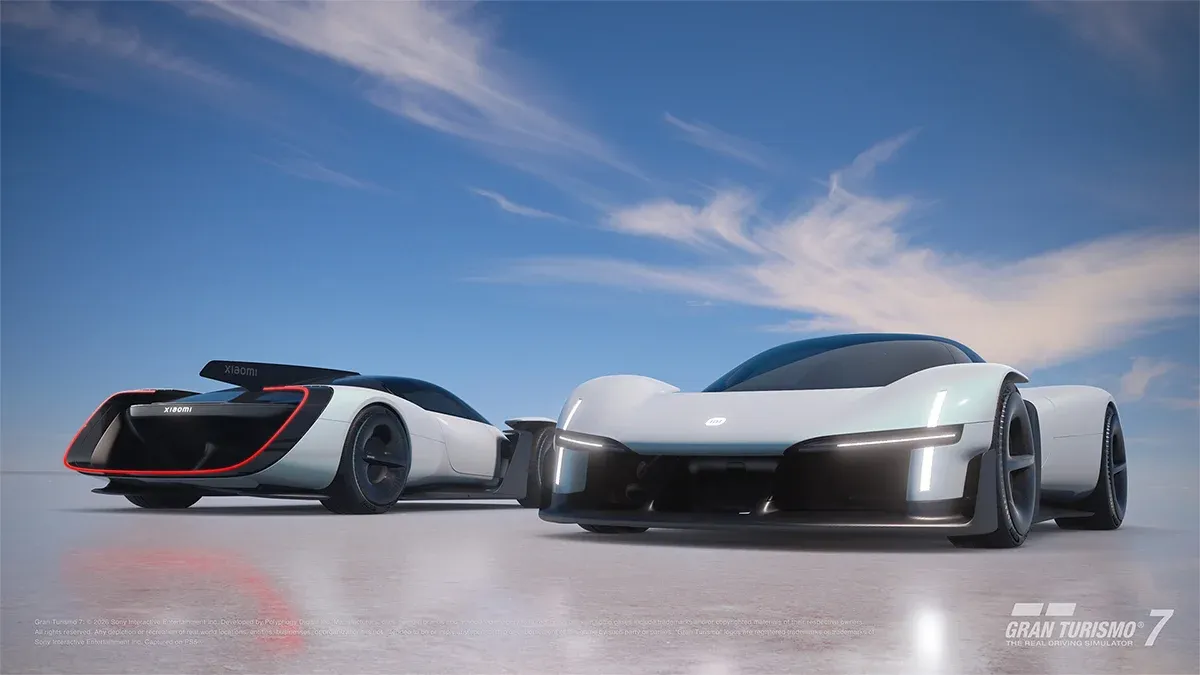
Xiaomi Vision Gran Turismo debuts in Gran Turismo 7 this October, marking the platform's first integration of a major Chinese automotive brand.
This inclusion signals an accelerating penetration of Chinese technological and automotive manufacturing into established global simulation ecosystems. The addition is not merely a cosmetic update but represents a tangible shift in how international manufacturers leverage high-fidelity digital platforms to engage consumers, particularly those interested in both performance driving and cutting-edge technology integration.
The arrival aligns with Xiaomi's broader strategy to solidify its presence beyond consumer electronics into premium lifestyle and automotive domains. By securing a spot within Gran Turismo 7—a simulation title revered for its detail and depth—Xiaomi is effectively benchmarking its engineering prowess against global automotive standards, offering players an authentic digital representation of their vehicle line.
Technical Integration and Vehicle Profile
The Xiaomi Vision Gran Turismo model will provide enthusiasts with a detailed simulation experience reflective of the brand's performance ambitions. While specific in-game telemetry details remain proprietary until release, the integration implies comprehensive handling models calibrated to match real-world characteristics, a necessity for maintaining credibility within the GT7 community.
This entry complements the existing roster of manufacturers, challenging established dominance by European and Japanese marques within the simulator's competitive field. The digital asset itself likely incorporates high-resolution 3D modeling, advanced physics parameters, and potentially unique livery options that reflect Xiaomi’s consumer electronics aesthetic, bridging the gap between hardware design and driving simulation.
The availability of this vehicle through Gran Turismo 7 provides a critical data capture mechanism for Xiaomi. It allows the company to gauge consumer reception to its automotive aspirations within a highly engaged, technically sophisticated user base, serving as an invaluable pre-launch market validation tool before wider commercial deployment.
Market Implications and Geopolitical Signaling
The debut of a Chinese Vision Gran Turismo car in a globally dominant simulation like GT7 carries significant geopolitical weight. It underscores China's increasing capacity to produce vehicles that meet stringent international design and performance expectations, moving the narrative beyond mere volume production toward high-value engineering.
For the automotive industry, this signals the maturation of Chinese EV and technology firms as viable global competitors rather than niche market entrants. Simulation platforms act as low-risk testing grounds for brand perception; success here translates directly into perceived real-world credibility among international buyers.
Furthermore, it reflects broader trends in digital ecosystem convergence. Xiaomi is not just selling a car model; it is embedding its brand identity within a sophisticated, established software environment. This strategy mirrors how major tech firms leverage gaming and simulation to build enduring brand loyalty, positioning the company as an integrated technology provider rather than solely a hardware manufacturer.