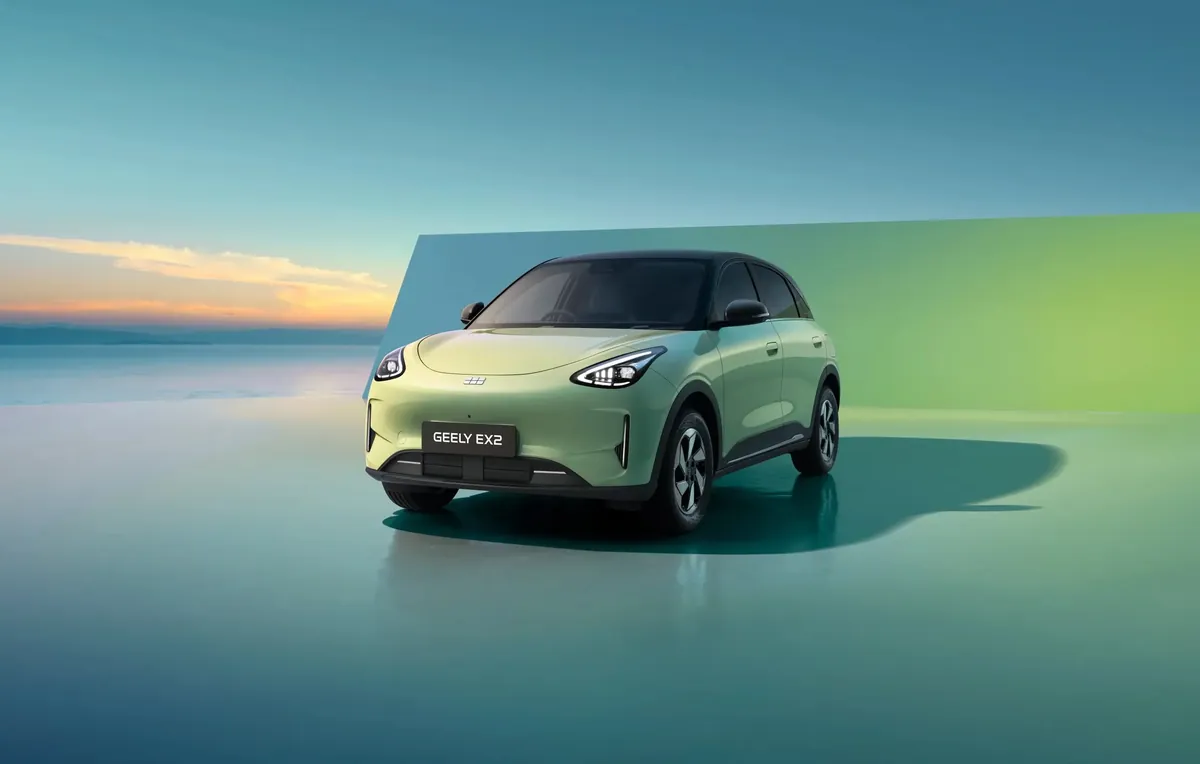
China's EV giants BYD and Geely reported significant profit jumps driven by explosive international sales growth, even as their domestic market expansion appears to be decelerating.
This divergent performance signals a critical pivot point for the Chinese electric vehicle sector, where global market penetration is now actively compensating for saturation in the highly competitive home front. The financial results underscore a successful strategic shift toward overseas markets, positioning these manufacturers as formidable global competitors rather than solely domestic champions.
While the domestic sales narrative has shown signs of stagnation or softening, the aggressive export strategies implemented by both companies are yielding substantial top-line revenue improvements. This international momentum provides a crucial buffer against the intense price wars and localized market pressures plaguing Chinese automakers at home.
Commercial Dynamics and Export Strength
The surge in overseas sales is directly tied to the aggressive pricing and model diversity offered by BYD and Geely across various global regions. BYD, in particular, has leveraged its vertically integrated supply chain—controlling everything from battery production to vehicle assembly—to maintain cost advantages that translate directly into aggressive international pricing strategies.
Geely, meanwhile, is utilizing its platform architecture and expanding dealership networks in key markets outside of Asia. The commercial dynamic centers on their ability to adapt established Chinese EV technology to meet diverse regulatory and consumer preferences in Europe, Southeast Asia, and Latin America, moving beyond mere volume to secure meaningful market share.
These overseas revenues are not merely supplementary; they are becoming the primary growth engine, demonstrating that the company's long-term valuation is increasingly tied to its global footprint rather than its domestic market dominance, which is facing structural headwinds.
Geopolitical Implications and Industry Trajectories
The success of BYD and Geely abroad carries significant geopolitical weight, signaling the maturation of China's manufacturing prowess into a globally disruptive force. These companies are effectively challenging entrenched legacy automakers in North America and Europe, forcing established players to reassess their timelines and investment strategies within the EV transition.
This rapid international scaling also intensifies trade scrutiny. As these vehicles flood foreign markets, they draw increased attention from regulatory bodies concerned about subsidies, intellectual property transfer, and the strategic dominance of Chinese battery technology. The ability of these firms to navigate complex international trade environments will define their next phase of growth.
Ultimately, the contrasting performance between domestic stagnation and export vitality frames the broader narrative of China's industrial evolution. The focus is shifting from achieving domestic scale to securing global strategic positioning, making these profit reports indicators of a fundamental, outward-looking industrial transformation.