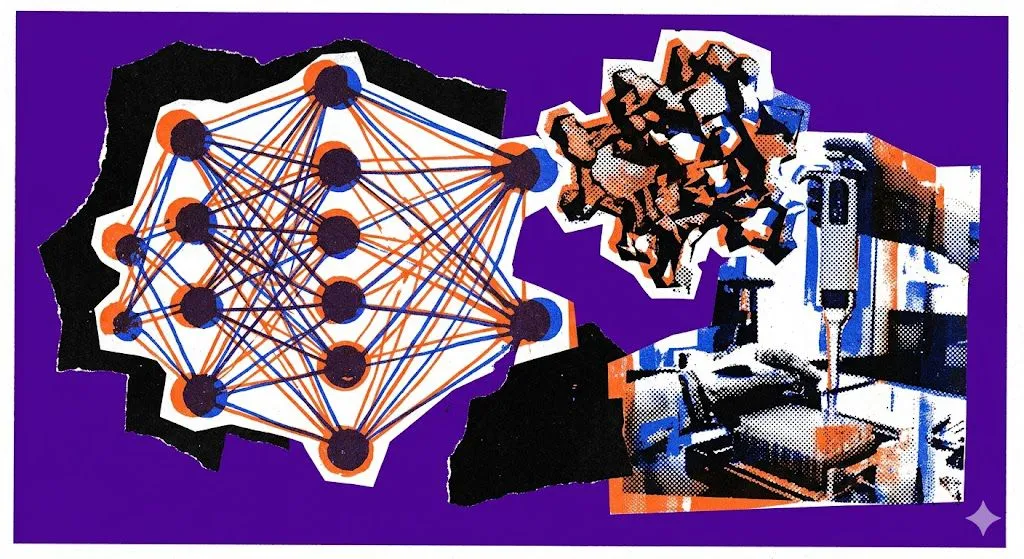
BEIJING: ByteDance, the technology conglomerate behind the global social media giant TikTok, is making significant inroads into the pharmaceutical industry through its specialized biotechnology division, Anew Labs. During recent appearances at several high-profile international medical conferences, the unit unveiled a series of advanced therapeutic candidates developed through proprietary artificial intelligence platforms, signaling a major shift toward high-stakes biological innovation.
The company's recent presentations have focused on the intersection of large-scale computational modeling and molecular biology, aiming to compress the traditional, decade-long drug discovery timeline. According to reports from South China Morning Post, the unit is leveraging its deep expertise in algorithmic processing to design novel proteins with high precision.
Advancements in AI-Designed Protein Therapeutics
A primary highlight of Anew Labs' recent disclosures is the unveiling of an AI-designed IL-17 inhibitor. This specific therapeutic candidate is designed to target interleukin-17, a protein that plays a critical role in inflammatory diseases, including psoriasis and various autoimmune conditions. As noted by LetsDataScience, the ability to utilize generative AI for such precise molecular engineering allows researchers to predict protein-protein interactions with unprecedented accuracy before entering clinical stages.
The technological core of these developments lies in the unit's ability to perform sophisticated protein design. Rather than relying solely on the discovery of existing molecules, Anew Labs uses computational models to "write" new protein sequences from scratch. These models are trained to ensure that the resulting molecules possess the necessary structural stability and binding affinity required to interact with specific biological targets. This methodology represents a move away from traditional trial-and-error laboratory methods, potentially reducing the costs and failure rates associated with early-stage drug development.
Strategic Diversification and Global Competition
The expansion into biotechnology represents a strategic pivot for ByteDance, moving the company beyond consumer internet services and into the realm of deep tech. By applying the same massive computational resources that power its recommendation engines to the field of proteomics, the company is attempting to compete with established pharmaceutical giants and specialized AI-biotech firms. Industry analysts suggest that this move leverages ByteDance's existing infrastructure in data processing and machine learning to solve complex biological problems.
The global scale of these efforts was evidenced by the unit's presence at multiple international forums, where it showcased a growing pipeline of candidates. As highlighted by
Related Reading