🎙 Listen to a summary of this story
China is recalibrating its relationship with fossil fuels under its latest five-year energy plan, seeking to protect the world’s second-largest economy from supply disruptions while accelerating an unprecedented expansion of renewable and nuclear power.
The strategy for 2026-2030 does not call for an immediate retreat from oil, natural gas or coal. Instead, Beijing is treating domestic fossil-fuel production as an insurance policy while directing most future growth in electricity demand toward lower-carbon sources.
China’s government says it aims to establish a clean, low-carbon, secure and efficient energy system by 2030. The language reflects a central tension in its energy policy: China is the world’s largest producer of renewable power, but it is also the biggest consumer of coal and a major importer of oil and natural gas.
Energy security has gained urgency amid conflicts, trade disputes and disruption risks along international shipping routes. Chinese leaders have repeatedly warned that the transition must not undermine reliable supplies to households, factories and transport networks.
Domestic production remains an energy-security safeguard
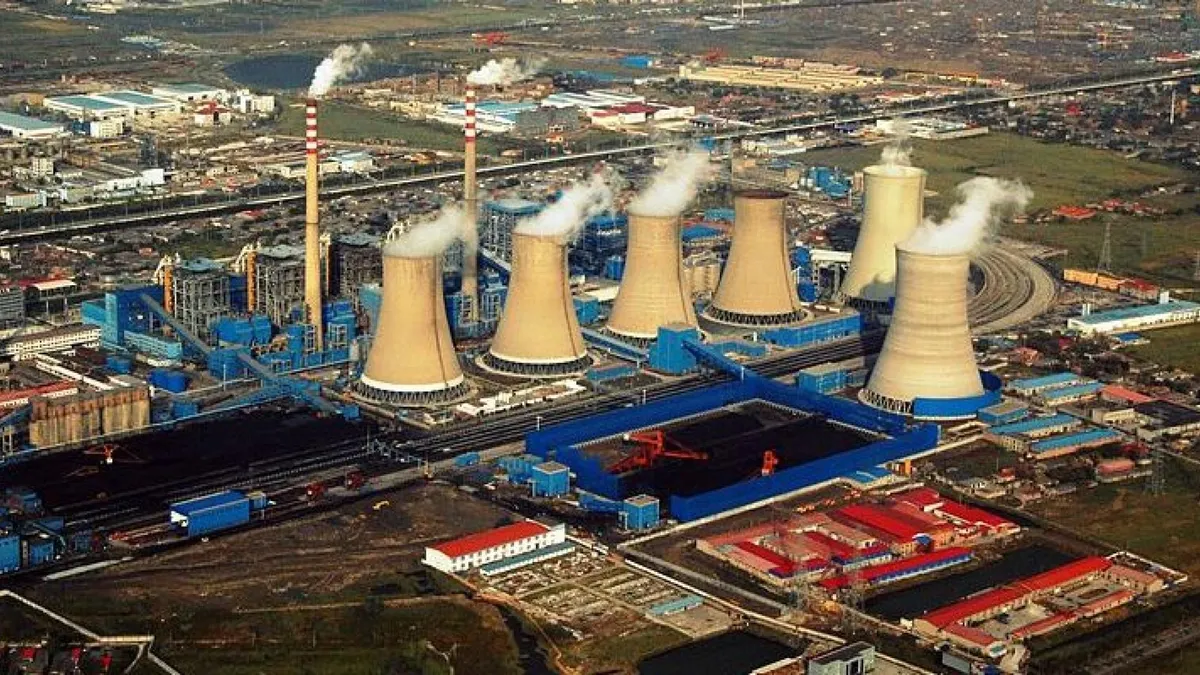
The plan prioritizes stable domestic production of oil and gas, improved reserves and more efficient extraction from established fields. State-owned companies are expected to increase recovery rates from mature deposits while pursuing offshore, deep-earth and unconventional resources. As the chart below shows, China’s primary energy mix became less coal-dependent between 2005 and 2024 - although it remains the main source of the national power supply - while natural gas, primary electricity and other energy sources gained substantial shares over time.
That approach is intended to reduce exposure to volatile international markets rather than make China fully self-sufficient. The country consumes far more oil than it produces and remains dependent on overseas suppliers, leaving it vulnerable to geopolitical tensions and disruptions at maritime chokepoints.
Natural gas presents a similar challenge. The U.S. Energy Information Administration said domestic output provided about 58% of China’s gas supply in 2023. Production has expanded through tight gas, shale gas and coal-bed methane, but imports have also risen as gas use has spread through industry, power generation, heating and transport.
China became the world’s largest importer of liquefied natural gas in 2023, according to the agency. Beijing has sought to diversify supplies through seaborne deliveries and pipelines from Central Asia and Russia, while investing in storage capacity and domestic exploration.
Technology will be central to extracting more from existing resources. China’s national oil companies are expanding advanced drilling, seismic imaging, enhanced recovery systems and digital monitoring. These tools can raise output from ageing fields while reducing costs and improving the detection of equipment failures and methane leaks.
Private companies could gain additional opportunities in exploration, refining and energy services, but the commanding role of state-owned enterprises is unlikely to change. PetroChina, Sinopec and CNOOC remain essential to Beijing’s ability to direct investment, maintain strategic reserves and respond quickly during a supply emergency.
Clean energy expansion changes the role of fossil fuels
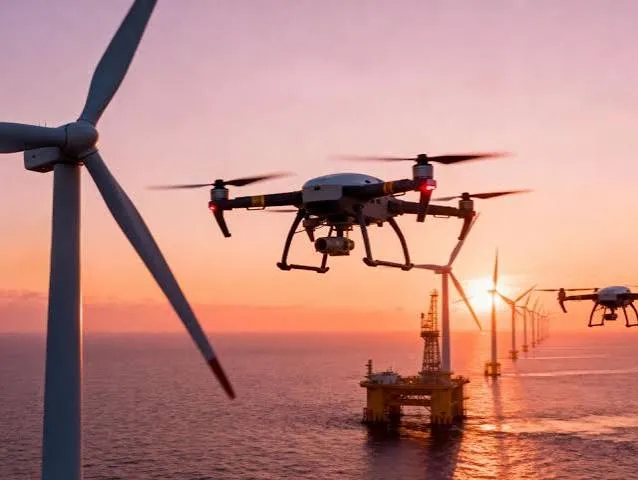
China’s continued support for hydrocarbons is unfolding alongside rapid growth in solar, wind, hydropower and nuclear energy. Government officials have said that by 2030, non-fossil sources should account for about half of electricity generation, with renewable energy supplying nearly half and newer sources such as wind and solar providing about 30%.

The International Energy Agency expects growth in renewables and nuclear power to cover all additional Chinese electricity demand between 2026 and 2030. It forecasts that China’s increase in solar generation over that period will exceed the combined growth recorded across the rest of the world.
That expansion could gradually push coal from its traditional role as the foundation of the electricity system toward a supporting function, providing backup power during demand peaks or periods of weak wind, limited sunshine and low hydropower output.
Oil faces different pressures. Electric vehicles, high-speed rail and efficiency improvements are weakening growth in demand for road fuels, but petrochemicals and aviation could keep consumption elevated. Natural gas is expected to retain a role in industrial heating, urban energy systems and sectors where electrification is more difficult.
Beijing’s policy therefore emphasizes the “orderly” replacement of fossil fuels. Officials want renewable power, grids, storage and flexible generation to be sufficiently developed before older capacity is retired. That cautious sequence reflects memories of electricity shortages and fuel-supply disruptions that affected Chinese provinces earlier in the decade.
Emissions targets collide with industrial realities
China has pledged to peak carbon dioxide emissions before 2030 and achieve carbon neutrality before 2060. Meeting those goals will require more than installing renewable capacity. The country must strengthen long-distance transmission networks, expand battery and pumped-hydropower storage and reform electricity markets so clean power can be used efficiently.
Oil and gas companies are also under pressure to reduce the emissions generated by their own operations. Priorities include controlling methane leakage, electrifying production equipment, improving refinery efficiency and using renewable power at extraction and processing sites.
Carbon capture, utilization and storage is expected to play a larger role around refineries, chemical plants and other industrial facilities where emissions are difficult to eliminate. Chinese energy groups have begun demonstration projects that capture carbon dioxide and inject it into oilfields, potentially increasing recovery while preventing some emissions from reaching the atmosphere.
The environmental arithmetic remains difficult. The International Energy Agency said growth in China’s energy-related carbon dioxide emissions slowed in 2024, helped by record clean-energy deployment, but the country’s per-person emissions remained above the average for advanced economies.
China’s five-year plan is therefore less a declaration that the fossil-fuel era is ending than an effort to redefine its place in the economy. Oil, gas and coal will remain strategic resources, but they are increasingly expected to provide security and flexibility while cleaner technologies take responsibility for growth.
Whether the balance succeeds will depend on implementation. China must build renewable generation and supporting infrastructure quickly enough to curb fossil-fuel demand while maintaining dependable energy for an industrial economy. Its progress will shape not only domestic emissions, but the trajectory of global energy markets and international efforts to limit climate change.