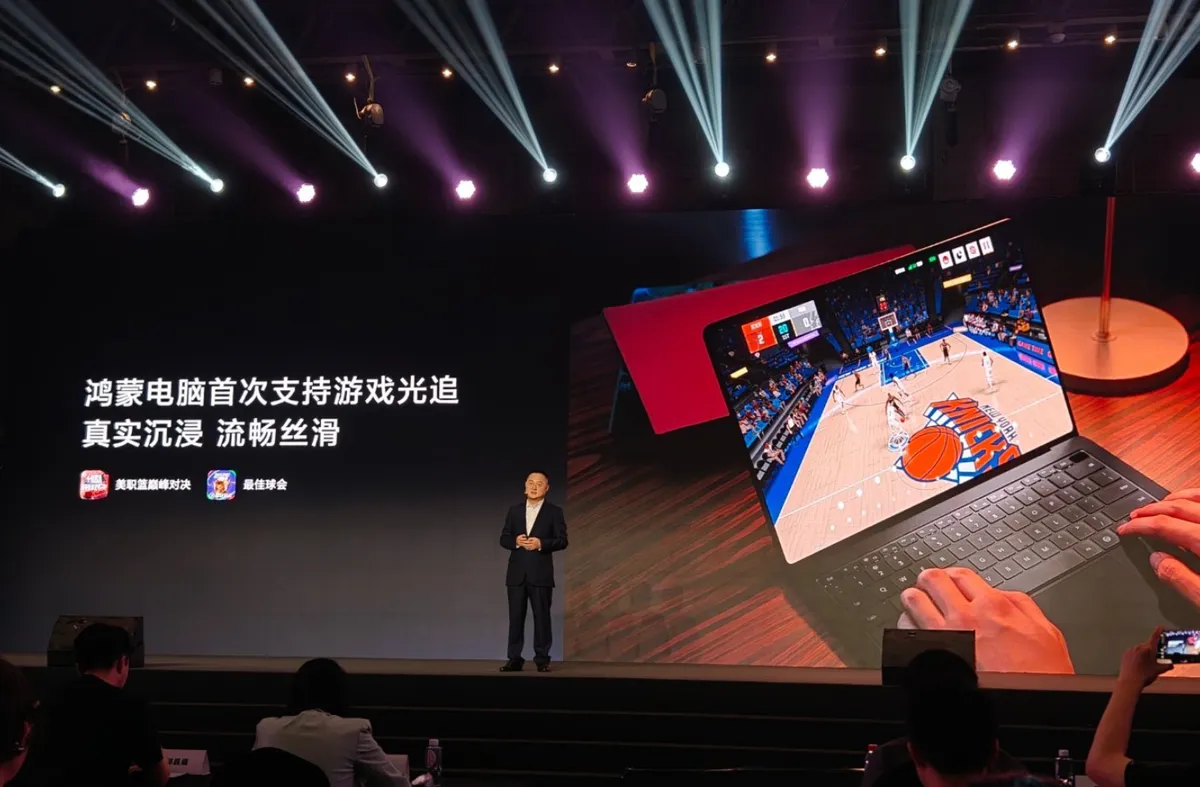
Huawei's Kirin XE90 chipset may serve as the desktop counterpart to its high-end 9030 Pro mobile processor, suggesting a deliberate strategy to extend advanced silicon capabilities into personal computing.
Industry analysis indicates that the design architecture of the Kirin XE90 bears significant resemblance to features found within the flagship 9030 Pro, positioning it as a direct evolution for PC applications rather than an entirely novel platform launch. This potential linkage signals Huawei's continued effort to maintain technological parity and dominance across both mobile and computing sectors.
The 9030 Pro, a component powering top-tier Huawei smartphones, represents the pinnacle of their current mobile silicon development. By developing the XE90 based on similar foundational principles, Huawei aims to leverage mature R&D investments for broader market deployment. This dual-pronged approach allows the company to maximize the return on complex semiconductor engineering efforts.
Details regarding the specific performance metrics and integrated features of the Kirin XE90 remain proprietary, but preliminary assessments suggest it targets workloads demanding high computational throughput, characteristic of modern desktop environments. If confirmed, this move solidifies Huawei’s ambition to compete not just with established mobile giants, but also in the increasingly competitive segment of specialized PC processing.
Strategic Implications for Silicon Strategy
The perceived relationship between the XE90 and 9030 Pro carries substantial strategic weight concerning Huawei's ongoing technology independence. In an environment where supply chain constraints and geopolitical pressures have impacted access to certain global semiconductor manufacturing capabilities, designing integrated solutions internally is paramount.
This integration suggests a vertically aligned strategy where core IP developed for mobile efficiency can be repurposed or adapted for the higher power demands of PCs. The transition from mobile-optimized instruction sets to those suited for sustained desktop loads requires significant architectural modifications, making this potential relationship technically complex but strategically advantageous.
Furthermore, the existence of a high-performance PC chip like the XE90 allows Huawei to target specialized computing niches where power efficiency and custom AI acceleration are critical. These markets often demand bespoke silicon solutions rather than generic offerings from established CPU manufacturers.
Analysts watching the development trajectory of the Kirin series view this as a significant indicator of internal capability maturation. It moves beyond simply producing powerful phones to engineering comprehensive, platform-level computing solutions capable of underpinning diverse user experiences across different devices.
Market Positioning and Future Outlook
Should Huawei successfully market the Kirin XE90, it would provide a crucial competitive edge in segments where performance meets energy conservation. Unlike traditional desktop CPUs that prioritize raw clock speed at all costs, mobile-derived architectures often excel at delivering superior performance per watt.
This characteristic is particularly relevant for emerging computing paradigms, such as thin-and-light laptops or high-performance embedded systems, which require significant processing power without the massive thermal envelopes associated with traditional desktop hardware. The XE90 appears positioned to exploit this efficiency gap.
The continued development and refinement of these chips underscore Huawei's commitment to building a complete ecosystem where their custom silicon forms the backbone of their entire technology offering. Consumers utilizing Huawei devices could thus benefit from a cohesive, optimized experience across their mobile phones and personal computers.
For observers of the global tech landscape, the Kirin XE90 represents more than just another processor revision; it reflects a mature corporate pivot toward self-sufficiency in advanced silicon design, leveraging successful mobile IP for expansion into the traditionally entrenched PC market.